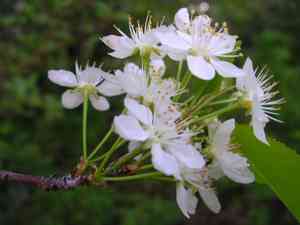
Pin cherry (Prunus pensylvanica)
Also known as: Wild red cherry, Pigeon cherry
The pin cherry (Prunus pensylvanica) is a pioneering cherry tree related to chokecherry and black cherry trees. Known for its small, sour fruits that typically grow in pairs, pin cherries are edible but have minimal flesh. Their tiny size makes them ideal for use in preserves.
Attributes of Pin cherry
Images of Pin cherry
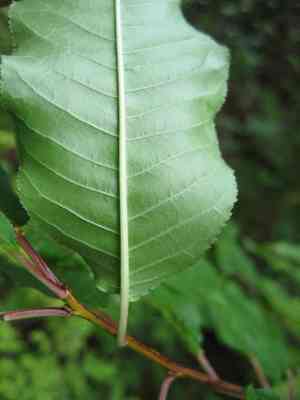
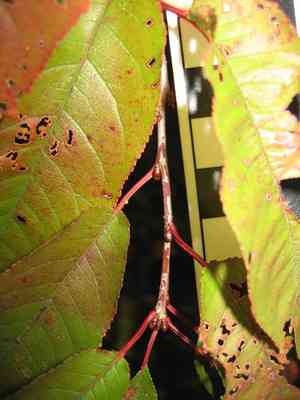
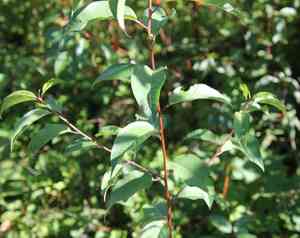

Quickly Identify Pin cherry
Scientific Classification of Pin cherry
Toxicity of Pin cherry
Is Pin cherry toxic to humans?
The pin cherry, similar to almost all species within the Prunus genus, contains cyanogenic compounds throughout its entire structure, including the seeds, except for its fruit. When a person consumes the seeds, leaves, or any other portion of the plant, these cyanotoxins transform into cyanide gas upon encountering stomach acid. This gas is absorbed through the mucous membranes, leading to poisoning in affected individuals. Symptoms can escalate from restlessness to physical weakness, impaired coordination, muscle contractions, troubles with movement or speech, decreased respiration and heart rate, ultimately resulting in fatality. While humans are generally at lower risk of consuming a lethal amount compared to livestock, cyanide poisoning remains a serious concern in all scenarios.

