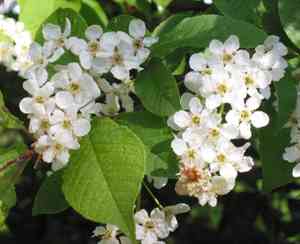
Bird cherry (Prunus padus)
Also known as: Hagberry, Mayday tree
The Bird cherry (Prunus padus), also known as the Mayday tree, is a deciduous cherry species native to Europe. It has played a significant role in spring celebrations, particularly May Day festivals, due to its early blooming flowers that signal the arrival of spring. The tree is pollinated by bees and flies, and while its leaves, stems, and fruits can be toxic to some mammals, it has been valued for its symbolic and practical uses. Historically, the bark was often placed near doorways as a protective measure against the plague, reflecting its importance in traditional European rituals and beliefs.
Attributes of Bird cherry
Images of Bird cherry
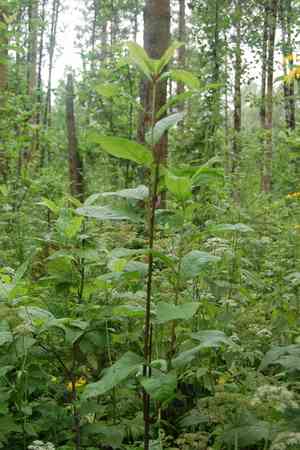
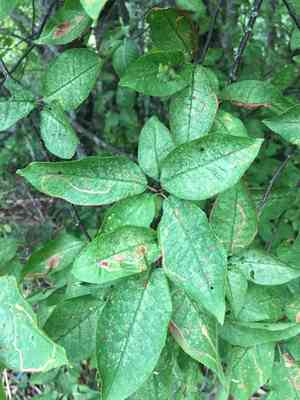
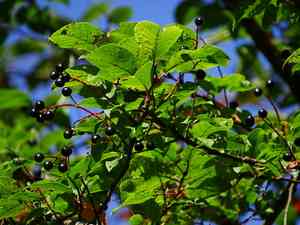
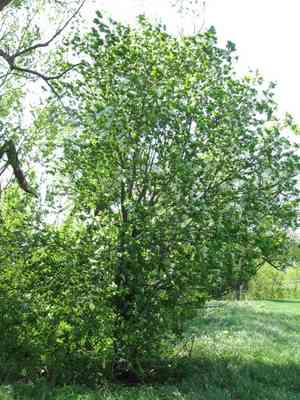
Quickly Identify Bird cherry
Scientific Classification of Bird cherry
Planting and Growing of Bird cherry
 How to Water Bird cherry?
 What Are the Sunlight Requirements for Bird cherry?
 What Is the Ideal Temperature Range for Bird cherry?
 What Soil is Best for Bird cherry?
 How to Fertilize Bird cherry?
 How to Prune Bird cherry?
 How to Propagate Bird cherry plant?
 How to Repot Bird cherry plant?
Toxicity of Bird cherry
Is Bird cherry toxic to humans?
Bird cherry exhibits a mild toxicity level to humans, with every part of the plant being potentially harmful if consumed. The toxic nature stems from the presence of glycosides such as prulaurasin and amygdalin, which can metabolize into hydrogen cyanide, a highly potent toxin. Consumption, even in minimal amounts, can lead to symptoms including dizziness, headaches, nausea, and abdominal discomfort. In more critical instances, ingestion may result in respiratory difficulties, elevated heart rate, and seizures. Given that the entire plant is toxic, it is essential to exercise caution to avoid accidental ingestion, especially among children who might be attracted to the plant's cherries.
Is Bird cherry toxic to cat?
The bird cherry plant presents a low-level toxicity threat to cats when ingested unintentionally. All components of the plant, including its leaves, stems, and fruit, contain toxic substances. If a cat ingests any portion of the bird cherry, it might exhibit signs of physical distress. This adverse reaction is linked to the presence of toxic glycosides such as prulaurasin and amygdalin, which can be harmful to cats. Should there be any suspicion of bird cherry poisoning in a cat, it is essential to seek prompt veterinary assistance to address the problem and prevent possible health issues.
Is Bird cherry toxic to dog?
The bird cherry species presents a mild toxicity risk for dogs. Canines might unintentionally consume various parts of the bird cherry plant, which could lead to possible poisoning. The entire plant is toxic, indicating that ingestion of its leaves, stems, flowers, or berries can be detrimental. If a dog consumes bird cherry, it might show symptoms like gastrointestinal upset, lethargy, or breathing difficulties. The toxic compounds glycosides prulaurasin and amygdalin found in the plant contribute to this hazard. It is essential for dog owners to monitor their pets vigilantly and restrict their access to bird cherry. If a dog exhibits any signs of poisoning after ingesting any part of bird cherry, it is vital to seek prompt veterinary assistance.



