
Japanese apricot (Prunus mume)
Also known as: Mume
The blossoms of the Japanese apricot, also known as Prunus mume, herald the arrival of spring in China. These flowers emerge in late winter on leafless branches, sometimes even peeking through a layer of snow. The tree holds deep cultural significance across East Asia. Additionally, its sweet, edible fruit is used in various culinary dishes. Numerous varieties of Prunus mume are cultivated globally for their ornamental beauty.
Attributes of Japanese apricot
Images of Japanese apricot
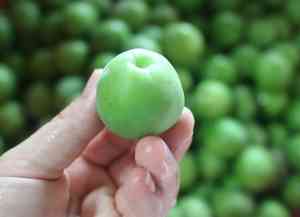


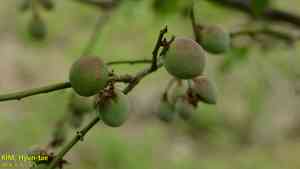
Quickly Identify Japanese apricot
Scientific Classification of Japanese apricot
Planting and Growing of Japanese apricot
 How to Water Japanese apricot?
 What Are the Sunlight Requirements for Japanese apricot?
 What Is the Ideal Temperature Range for Japanese apricot?
 What Soil is Best for Japanese apricot?
 How to Fertilize Japanese apricot?
 How to Prune Japanese apricot?
 How to Propagate Japanese apricot plant?
 How to Repot Japanese apricot plant?
Toxicity of Japanese apricot
Is Japanese apricot toxic to humans?
The Japanese apricot exhibits a low level of toxicity to humans, mainly due to ingestion. Toxicity arises from all sections of the plant, excluding the ripe flesh, which is safe to eat. The compound responsible for this toxicity is amygdalin, especially concentrated in the seeds. Upon consumption, amygdalin can be converted into hydrogen cyanide, which may result in symptoms like dizziness, headaches, nausea, and breathlessness. In extreme instances, this may lead to convulsions or even a coma. Therefore, it is essential for individuals to refrain from eating any part of the Japanese apricot aside from the ripe flesh to avoid the risk of accidental poisoning.
Is Japanese apricot toxic to cat?
The Japanese apricot, often referred to as Japanese apricot, demonstrates a mild toxic effect on cats. If felines consume any portion of the plant, except for the ripe fruit, they may experience poisoning. The compound amygdalin found in Japanese apricot can induce toxicity in cats if accidentally ingested. It is crucial for cat owners to observe their pets for signs of distress and promptly seek veterinary assistance if they suspect ingestion.
Is Japanese apricot toxic to dog?
The Japanese apricot presents a mild toxicity hazard for dogs. These animals might unintentionally consume various parts of the plant, resulting in possible poisoning. The entire plant is toxic, except for the ripe fruit. Should a dog eat any portion of the Japanese apricot, they could display symptoms like gastrointestinal distress or more serious reactions based on the quantity ingested. The compound that causes these adverse effects is amygdalin. If poisoning is suspected, it is crucial to obtain prompt veterinary assistance to safeguard the health and well-being of the affected dog.



