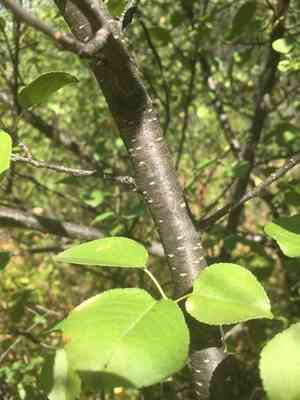
Mahaleb cherry (Prunus mahaleb)
Also known as: Perfumed cherry
Prunus mahaleb, commonly known as the mahaleb cherry, is native to regions in Asia, Africa, and Europe. Birds often consume the fruit and help disperse its seeds. In Mediterranean cuisine, particularly in Middle Eastern and Greek dishes, the dried kernels of the mahaleb cherry are ground into a spice. This spice imparts a unique almond and cherry flavor to a variety of baked goods, including breads, cakes, and pastries.
Attributes of Mahaleb cherry
Images of Mahaleb cherry
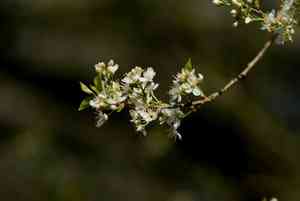
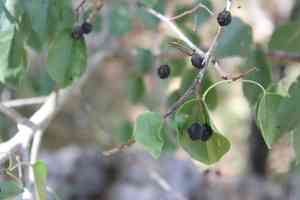
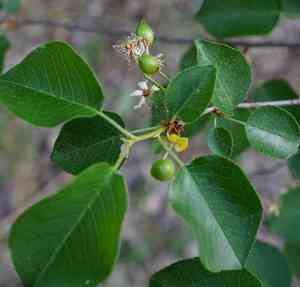
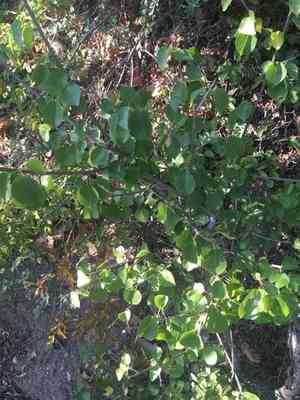
Quickly Identify Mahaleb cherry
Scientific Classification of Mahaleb cherry
Planting and Growing of Mahaleb cherry
 How to Water Mahaleb cherry?
 What Are the Sunlight Requirements for Mahaleb cherry?
 What Is the Ideal Temperature Range for Mahaleb cherry?
 What Soil is Best for Mahaleb cherry?
 How to Fertilize Mahaleb cherry?
 How to Prune Mahaleb cherry?
 How to Propagate Mahaleb cherry plant?
 How to Repot Mahaleb cherry plant?
Toxicity of Mahaleb cherry
Is Mahaleb cherry toxic to humans?
Like all other species within its genus, mahaleb cherry is considered a poisonous plant that can elicit harmful reactions in humans when consumed. The consequences of ingesting this plant can be quite serious, and in extreme cases, it may even result in death. The seeds, branches, and bitter fruit are toxic due to the presence of hydrogen cyanide, which can induce detrimental symptoms. These symptoms may include fatigue, difficulty in breathing, and dilation of the pupils, with the most severe cases potentially leading to unconsciousness or fatality. Individuals might inadvertently consume the toxic seeds or fruits while attempting to enjoy the familiar fruits that grow on *Prunus* trees.



