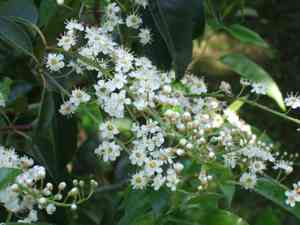
Portuguese cherry laurel (Prunus lusitanica)
Also known as: Portuguese laurel cherry, Portuguese laurel
The Sweet Olive (Osmanthus fragrans) is an excellent choice for a low-growing hedge. This evergreen tree can be kept compact and neat with regular pruning. It produces clusters of small, fragrant white flowers in the spring. Sweet Olive thrives in both full sun and partial shade, preferring moist, well-drained soil.
Attributes of Portuguese cherry laurel
Images of Portuguese cherry laurel
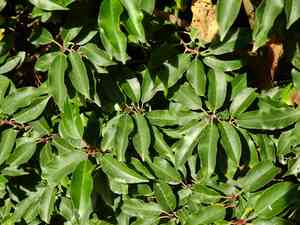
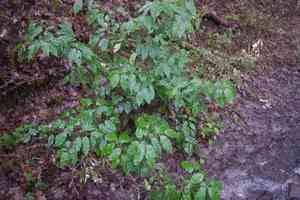
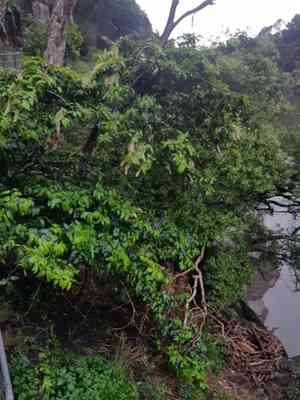
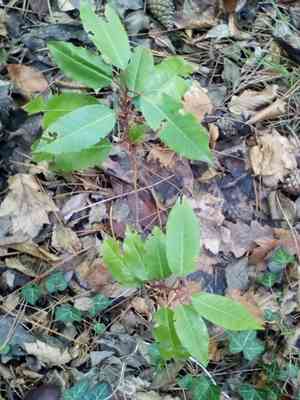
Quickly Identify Portuguese cherry laurel
Scientific Classification of Portuguese cherry laurel
Planting and Growing of Portuguese cherry laurel
 How to Water Portuguese cherry laurel?
 What Are the Sunlight Requirements for Portuguese cherry laurel?
 What Is the Ideal Temperature Range for Portuguese cherry laurel?
 What Soil is Best for Portuguese cherry laurel?
 How to Fertilize Portuguese cherry laurel?
 How to Prune Portuguese cherry laurel?
 How to Propagate Portuguese cherry laurel plant?
 How to Repot Portuguese cherry laurel plant?
Toxicity of Portuguese cherry laurel
Is Portuguese cherry laurel toxic to humans?
The Portuguese cherry laurel is characterized by a relatively mild toxicity to humans, primarily when ingested. This entire plant exhibits toxic qualities, with the only exception being the ripe fruit, which is safe to eat. Consuming other parts of the plant can lead to the release of hydrogen cyanide, a compound that is recognized for its poisoning potential. Symptoms associated with poisoning from the Portuguese cherry laurel may manifest as breathing difficulties, dizziness, headaches, and nausea. In more serious instances, it can lead to convulsions or even a state of coma. Therefore, it is essential for individuals to refrain from consuming any portions of the Portuguese cherry laurel aside from the ripe fruit, since accidental ingestion of the leaves, seeds, or other parts of the plant may result in such negative health outcomes.
Is Portuguese cherry laurel toxic to cat?
The Portuguese cherry laurel exhibits a mild toxicity level in cats, which can lead to health complications if ingested inadvertently. Except for the ripe flesh, the entire plant contains toxic elements that may impact felines. In instances where a cat consumes any part of the Portuguese cherry laurel, it might display signs of physical discomfort or illness due to the presence of hydrogen cyanide, a recognized toxic agent. Cat owners are encouraged to remain watchful and restrict their pets from accessing the plant's components, including the seeds, leaves, and stems. If there is any suspicion that a cat has ingested Portuguese cherry laurel, it is vital to seek immediate veterinary care to effectively manage any potential adverse reactions and safeguard the well-being of the animal.
Is Portuguese cherry laurel toxic to dog?
The Portuguese cherry laurel is recognized as having a mild level of toxicity for dogs. If canines accidentally ingest parts of this plant, they may experience poisoning. With the exception of its ripe flesh, the entire plant contains toxic components that pose a risk to a dog's well-being. Ingesting Portuguese cherry laurel can lead to symptoms in dogs such as respiratory difficulties, excessive drooling, and upset stomach. It is crucial to understand that this plant contains hydrogen cyanide, which can be dangerous when consumed in large amounts. Should poisoning from Portuguese cherry laurel be suspected, it is essential for pet owners to seek prompt veterinary attention to ensure the best potential outcome for their furry friend.



