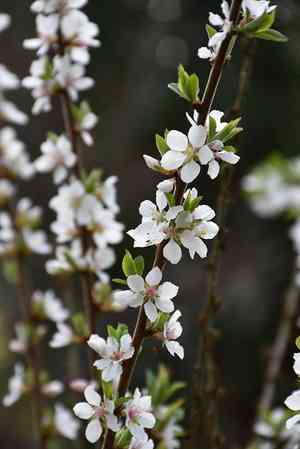
Prunus japonica (Prunus japonica)
Also known as: Japanese Bush Cherry, Japanese Flowering Cherry, Mountain Cherry
Identified with the scientific names Prunus japonica or Cerasus japonica, the shrub popularly known as Japanese bush cherry, Oriental bush cherry, or Korean bush cherry is prominently grown for decorative purposes. Belonging to the Prunus genus, this shrub's origin can be traced back to Central China, spreading all the way to the Korean peninsula.
In This Article
Attributes of Prunus japonica
Lifespan
Perennial
Plant Height
1.5-2.5 meters
Spread
1.5-2.5 meters
Leaf Color
Dark green
Flower Size
1-1.5 cm
Flower Color
Pink to red
Images of Prunus japonica
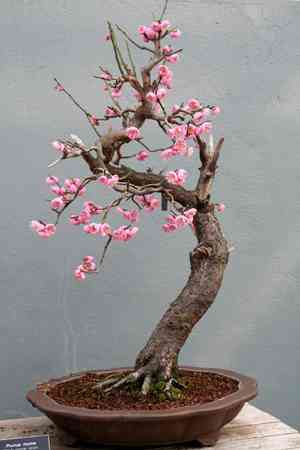
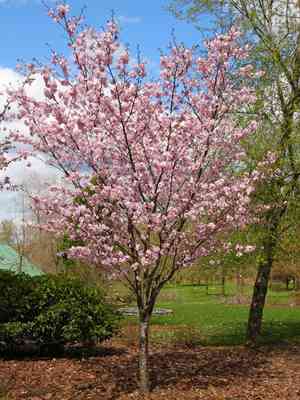
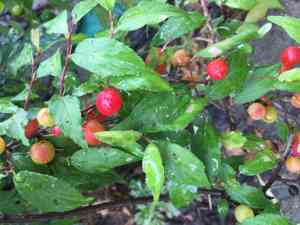
Quickly Identify Prunus japonica
1
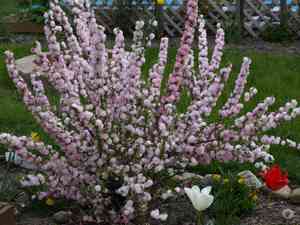
Prunus japonica can be distinguished by its pink to red flowers that bloom in spring, dark green leaves and small inedible fruits that ripen to dark red in autumn. Its bark is brown to gray, smooth, with horizontal lenticels.
Scientific Classification of Prunus japonica
Phylum
Tracheophyta
Class
Magnoliopsida
Order
Rosales
Family
Rosaceae
Genus
Prunus
Species
P. japonica
Planting and Growing of Prunus japonica
Watering Schedule
Every 4 days
Sunlight Requirements
Full sun
Sunshine Duration
6-12 hours
Ideal Temperature
65-77℉
Soil Type
Potting Mix, Peat Mix
Soil pH
6.5-7.5
Fertilizer Type
Balanced
Pruning Season
Spring, Summer
Pruning Area
Branches, Leaves
Pruning Frequency
2 times a year
Repotting Season
Spring
Pot Type
Plastic, Ceramic
 How to Water Prunus japonica?
For Prunus japonica, it's important to water deeply until the soil is moist but not waterlogged. This typically requires around 500 milliliters per watering session. The goal is to ensure that water reaches the root zone, making it vital to water until a little excess water drains through the pot's drainage holes.
What are the symptoms of an underwatered Prunus japonica?
›
What should I do if my Prunus japonica is not getting enough water?
›
What are the symptoms of an overwatered Prunus japonica?
›
How to save an overwatered Prunus japonica?
›
 What Are the Sunlight Requirements for Prunus japonica?
Prunus japonica prefers a light environment ranging from full sun to partial sun. Ideal lighting encourages abundant blooming and maintains its lush foliage while reinforcing its natural resilience.
What's the best type of sunlight for Prunus japonica?
›
How can you ensure Prunus japonica receives ideal sunlight?
›
What benefits does ideal sunlight bring to Prunus japonica?
›
 What Is the Ideal Temperature Range for Prunus japonica?
Prunus japonica thrives best in climates where daytime temperatures range from 65°F to 77°F. This temperature range provides the optimal conditions for photosynthesis and overall plant health. Maintaining these temperatures encourages vigorous growth and fruit development in the plant.
 What Soil is Best for Prunus japonica?
Prunus japonica thrives in nutrient-rich soil which enhances its growth and fruit production. Fertile soil provides the essential nutrients and minerals required for optimal plant health, encouraging lush foliage and abundant flowering. This plant requires well-draining soil to prevent root rot and other moisture-related issues. Well-aerated soil with proper drainage ensures the roots receive adequate oxygen while avoiding waterlogging, ultimately benefiting overall plant vigor. The soil should retain moderate moisture without becoming overly saturated or dry. Consistent moisture levels prevent stress on the plant and support steady growth, essential for the development of healthy flowers and fruits.
 How to Fertilize Prunus japonica?
Prunus japonica benefits from balanced fertilization. During the growing season, apply a liquid fertilizer solution at a concentration of about 1/4 the recommended dose every two weeks. Over-fertilization can harm the plant, so it's crucial to maintain the balance.
 How to Prune Prunus japonica?
Start by removing any dead or diseased branches. This is crucial for the health of the plant as it prevents the spread of pests and diseases. Also, cut away any crossing or rubbing branches to avoid damage. Trim the plant to maintain a balanced shape. Focus on thinning out the center to improve air circulation and light penetration. This helps in reducing the risk of fungal diseases and promotes healthy growth throughout the plant. Make clean, angled cuts just above a bud that faces the direction you want the new growth to follow. This promotes outward growth, creating a fuller and bushier appearance. Ensure you do not cut too close to the bud.
 How to Propagate Prunus japonica plant?
1
To propagate from seed, stratify the seeds by soaking them in water and storing them in a moist medium in the refrigerator for several weeks to break dormancy.
2
Select healthy branches and cut 4-6 inch sections with at least two nodes. Remove leaves from the lower half of the cutting to reduce water loss.
3
For grafting, choose compatible rootstock and scion. Make precise cuts for a snug fit before securing them with grafting tape to ensure proper union.
 How to Repot Prunus japonica plant?
1
The best time to repot Prunus japonica is when you observe the roots growing out of the drainage holes, or if the plant looks too big for its pot. It's crucial to repot during the dormant seasons of spring or autumn, as this reduces stress on the plant and allows it to establish in new soil before the growing season.
2
When selecting a pot, choose one that is only slightly larger than the current one, about 2 inches wider in diameter. This prevents over-watering and allows for proper root development, ensuring that your Prunus japonica thrives with ample room for root expansion while maintaining soil moisture balance.
3
A mix of loamy, well-draining soil is ideal for Prunus japonica. It provides the needed nutrients and ensures excess water drains away, preventing root rot. A good blend might include equal parts loam, peat moss, and perlite, offering ideal aeration and moisture retention.

