Chinese bush cherry(Prunus glandulosa)

Chinese bush cherry (Prunus glandulosa)

Also known as: Flowering almond

The Chinese bush cherry, a favored ornamental tree with various hybrid forms, is indigenous to East Asia. It acts as a host for the larvae of the eastern Tiger swallowtail butterfly (Papilio glaucus). However, it is important to note that all parts of this plant contain cyanide, making it toxic to humans if consumed.

Attributes of Chinese bush cherry

Lifespan
Perennial
Plant Type
Tree
Plant Height
1.5 m
Spread
90 cm to 1.2 m
Leaf Color
Yellow Green
Flower Size
3 cm
Flower Color
White Pink

ForwardPlant - Identify plants with a snap

Identify and diagnose plants, get toxicity alerts, and explore safety guides for all types of fungi.

Try for Free

Images of Chinese bush cherry

Chinese bush cherry(Prunus glandulosa)

Quickly Identify Chinese bush cherry

1
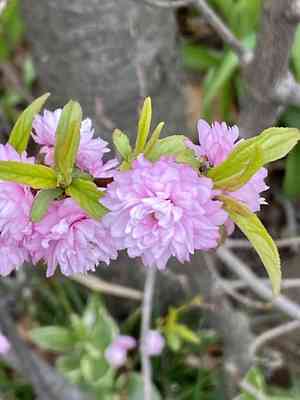
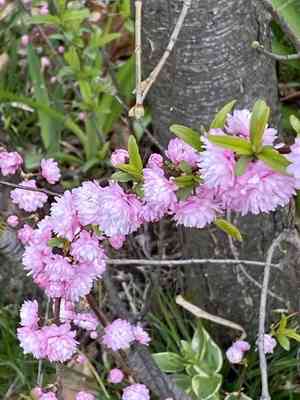
Profusion of dainty pink to white flowers, 0.5 inches (1.27 cm) in diameter
2
Compact, rounded growth reaching 4-6 feet (1.2-1.8 meters) in height and spread
3
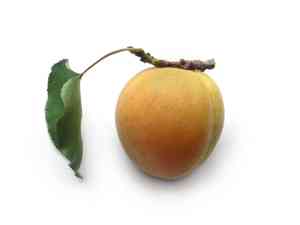
Oblong leaves measuring 1-3 inches (2.5-7.6 cm) long, with finely toothed edges
4
Light green leaves, ovate-lanceolate in shape with prominent veins
5
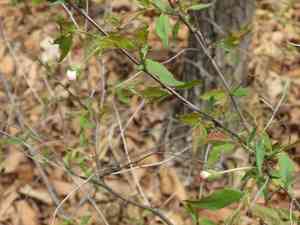
Straggly stem with thin, wiry branches, 0.1-0.2 inches (2-5 mm) in diameter

Scientific Classification of Chinese bush cherry

Phylum
Vascular plants
Class
Dicotyledons
Order
Roses, elms, figs, and allies
Family
Rose
Genus
Prunus
Species
Chinese bush cherry

Planting and Growing of Chinese bush cherry

Care Difficulty
Easy
Watering Schedule
Every 2 days
Sunlight Requirements
Full sun
Sunshine Duration
6-10 hours
Ideal Temperature
60-75℉
Soil Type
Potting Mix, Peat Mix
Soil pH
6.5-7.5
Fertilizer Type
Balanced
Pruning Season
Spring, Summer
Pruning Area
Branches, Leaves
Pruning Frequency
2 times a year
Repotting Season
Spring
Pot Type
Plastic, Ceramic

water icon How to Water Chinese bush cherry?

When watering Prunus glandulosa, it is crucial to ensure the soil remains consistently moist without becoming waterlogged. A thorough soak of approximately 500 ml per watering is sufficient, allowing water to reach the root zone deeply, promoting healthy root growth.
What are the symptoms of an underwatered Chinese bush cherry?
What should I do if my Chinese bush cherry is not getting enough water?
What are the symptoms of an overwatered Chinese bush cherry?
How to save an overwatered Chinese bush cherry?

sunlight icon What Are the Sunlight Requirements for Chinese bush cherry?

Sunlight Requirements: Full sun, Partial sun
Duration of light: 6 to 8 hours
Ideally, Prunus glandulosa benefits from full sun exposure. Ensuring it has 6 to 8 hours of sunlight promotes lush foliage and prolific blooming, enhancing its ornamental value.
How much light does it need?
What happens if it lacks sunlight?
How to optimize light conditions?
More About Sunlight Requirements Techniques

temperature icon What Is the Ideal Temperature Range for Chinese bush cherry?

Ideal Temperature: 60 ~ 75℉
For optimal growth of Prunus glandulosa, maintaining a stable temperature between 60 and 75°F is crucial. This temperature range supports proper physiological processes like photosynthesis and nutrient absorption, ensuring healthy foliage and abundant blooms.

soil icon What Soil is Best for Chinese bush cherry?

Soil type: Loam, Sandy loam
Soil PH: 6.5 ~ 7.5
Prunus glandulosa thrives in soil that is rich in essential nutrients. Such soil supports healthy growth, vibrant flowering, and overall plant vigor. Use organic compost or well-rotted manure to enrich the soil. This plant requires soil with excellent drainage to prevent waterlogging and root rot. Well-draining soil ensures that the roots receive adequate oxygen and nutrients, promoting healthy root development. Prunus glandulosa prefers soil that maintains consistent moisture without being waterlogged. A balance of moisture levels ensures the plant absorbs necessary water while avoiding over-saturation.

fertilize icon How to Fertilize Chinese bush cherry?

Fertilizer type: Balanced
For Prunus glandulosa, applying a balanced fertilizer in moderation is key. Use 1/2 to 1 cup of 10-10-10 NPK fertilizer per plant, depending on its size and growth stage. It's crucial to avoid over-fertilizing, which can harm the plant's delicate root system.

prune icon How to Prune Chinese bush cherry?

Pruning Time: Spring, Summer
Begin by removing any dead, damaged, or crossing branches from the shrub. Cut back any long, leggy branches to promote bushier growth. Focus on maintaining a pleasing symmetrical shape. If the Prunus glandulosa has become overgrown, remove one-third of the oldest branches at ground level. This technique, called renewal pruning, rejuvenates the plant, encouraging new growth. After pruning, provide good aftercare by watering deeply and applying a slow-release fertilizer to support new growth and flowering. More About Pruning Techniques

propagate icon How to Propagate Chinese bush cherry plant?

Propagate Time: Spring, Early spring
1
Start by collecting Prunus glandulosa seeds from mature fruit in the early spring. Clean them thoroughly and allow them to dry. It's beneficial to stratify seeds in a refrigerator for several weeks to break dormancy.
2
Select a healthy, semi-hardwood branch, preferably from new growth. Use sterilized shears to cut at a 45-degree angle. This increases the surface area for rooting and helps against infections.
3
For division, uproot the plant in early spring when it’s dormant. Use a sharp knife to divide the root ball, ensuring each division has a healthy amount of roots and shoots.
More About Propagating Techniques

repot icon How to Repot Chinese bush cherry plant?

Repotting frequency: Every 2-3 years
1
Look for signs such as roots emerging from the drainage holes or the soil drying out too quickly. These are indications that your Prunus glandulosa needs more space and fresh soil to thrive. Spring is the ideal time as it's a period of active growth.
2
Select a pot that is one size larger than the current one to provide ample room for root growth. Ensure it has drainage holes to prevent waterlogging. A suitable pot enhances root health and promotes vigorous plant growth.
3
Opt for a sandy, well-drained mix that facilitates proper water flow while retaining essential nutrients. This type of soil prevents root rot and encourages robust growth, ensuring your plant remains healthy and vibrant.

ForwardPlant - Identify plants with a snap

Find the best spots for them to optimize their health, simply using your phone.

Try for Free

Toxicity of Chinese bush cherry

Is Chinese bush cherry toxic to cat?

The Chinese bush cherry is known to be toxic to felines, and it is important to note that every part of this plant poses a potential threat. When ingested, Chinese bush cherry can cause symptoms in cats such as gastrointestinal discomfort and vomiting. Due to the toxic nature of the Chinese bush cherry, it is crucial to ensure that pets do not inadvertently ingest this plant. Should you suspect that your pet has been poisoned, it is essential to seek veterinary care without delay.

Is Chinese bush cherry toxic to dog?

The Chinese bush cherry is a plant that poses a significant level of toxicity to dogs. Every part of this plant contains harmful substances that can lead to poisoning if dogs come into contact with it. While the exact mechanism of toxicity is not detailed, any form of interaction—ranging from ingestion to mere physical contact—carries a potential risk. When dogs are exposed to the Chinese bush cherry, they may exhibit symptoms including excessive drooling, vomiting, diarrhea, a decreased appetite, and lethargy. If these symptoms are observed, it is crucial to take immediate action by seeking veterinary care promptly to ensure your dog's quick recovery. To reduce the risk of poisoning, it is recommended to either keep this plant out of reach from pets or completely remove it from their surroundings.

Identify toxic plants for your safety

Learn which plants are harmful to you and your pets, and make informed choices for a safer home!

Try for Free
WARNING
The judgment on toxicity and danger is for reference only. We DO NOT GUARANTEE any accuracy of such judgment. Therefore, you SHALL NOT rely on such judgment. It is IMPORTANT TO SEEK PROFESSIONAL ADVICE in advance when necessary.
More About Toxic Techniques