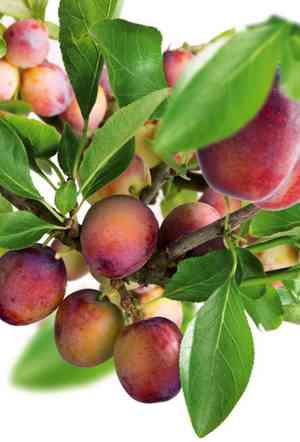
European plum(Prunus domestica)

European plum (Prunus domestica)

Also known as: Damson plum, Prune Plum, Plum Tree, Common plum, Damson

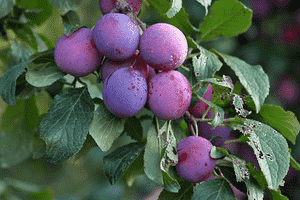
The European plum (*Prunus domestica*), a small deciduous tree, is the predominant orchard plum found across Europe and other parts of the world. This hybrid species likely originated from the wild Cherry plum (*Prunus cerasifera*). The fruit is typically elongated, fleshy, and sweet. When dried, these plums are known as prunes.

Attributes of European plum

Lifespan
Perennial
Plant Type
Tree
Plant Height
6 m to 15 m
Spread
10 m
Leaf Color
Green
Flower Size
1 cm to 1.5 cm
Flower Color
White

PlantJoy - Identify plants with a snap

Identify and diagnose plants, get toxicity alerts, and explore safety guides for all types of fungi.

Try for Free

Images of European plum

European plum(Prunus domestica)

Quickly Identify European plum

1
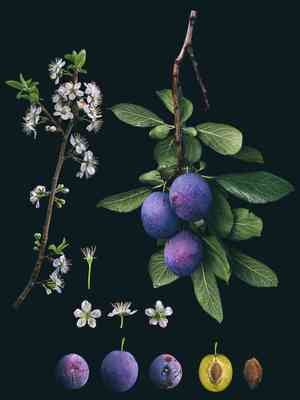
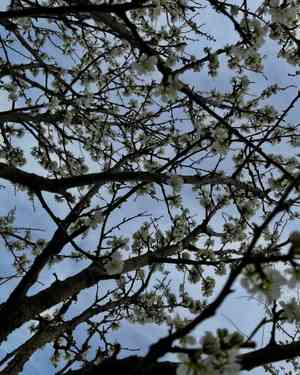
Tree/shrub reaching 10-20 feet (3-6 meters) with white flowers.
2
Smooth dark brown stem with overlapping scale buds.
3
Egg-shaped green leaves with serrated margins and fine hairs.
4
Showy white flowers with long protruding stamens, 1 inch (2.5 cm) diameter.
5
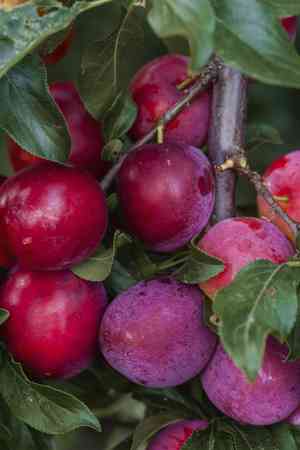
Succulent drupe fruit, 2-3 inches (5-7.6 cm), maturing to blue-black color.

Scientific Classification of European plum

Phylum
Vascular plants
Class
Dicotyledons
Order
Roses, elms, figs, and allies
Family
Rose
Genus
Prunus
Species
European plum

Planting and Growing of European plum

Care Difficulty
Moderate
Watering Schedule
Every 8 days
Sunlight Requirements
Full sun
Sunshine Duration
6-10 hours
Ideal Temperature
60-75℉
Soil Type
Potting Mix, Peat Mix
Soil pH
6.5-7.5
Fertilizer Type
Balanced
Pruning Season
Spring, Summer
Pruning Area
Branches, Leaves
Pruning Frequency
2 times a year
Repotting Season
Spring
Pot Type
Plastic, Ceramic

water icon How to Water European plum?

Prunus domestica, commonly known as the plum tree, thrives when watered well but not to excess. The key is to ensure the soil remains consistently moist without becoming waterlogged. Aim to saturate the ground with around 500 ml of water at each session, ensuring that the moisture penetrates the root zone without pooling on the surface.
What are the symptoms of an underwatered European plum?
What should I do if my European plum is not getting enough water?
What are the symptoms of an overwatered European plum?
How to save an overwatered European plum?
More About Watering Techniques

sunlight icon What Are the Sunlight Requirements for European plum?

Sunlight Requirements: Full sun, Partial sun
Duration of light: 6 to 8 hours daily
Prunus domestica flourishes under full sun conditions. Adequate sunlight aids in energy creation through photosynthesis, promoting healthy growth and robust fruit development, crucial for its productive season.
How much sun is optimal?
What if there's limited sunlight?
Can artificial lighting be used?
More About Sunlight Requirements Techniques

temperature icon What Is the Ideal Temperature Range for European plum?

Ideal Temperature: 60 ~ 75℉
The ideal temperature range for growing Prunus domestica, commonly known as the plum tree, is between 60°F and 75°F. This range provides optimal conditions for both growth and fruit production. These temperatures support active photosynthesis and energy conversion, which are critical for the healthy development of the plant.

soil icon What Soil is Best for European plum?

Soil type: Loam, Sandy loam
Soil PH: 6.5 ~ 7.5
Prunus domestica thrives in nutrient-rich soil, full of organic matter which ensures essential nutrients are readily available. This quality enhances fruit production by providing ample nourishment required for growth and fruiting. Well-draining soil prevents water from stagnating around the roots, which can lead to root rot. This soil property helps maintain the necessary oxygen levels in the soil, crucial for root health and vigorous plant growth. While the soil should drain excess water, it must also retain enough moisture to sustain the plant between watering cycles. This balance supports consistent hydration, promoting healthier foliage and more abundant fruit yield. More About Soil

fertilize icon How to Fertilize European plum?

Fertilizer type: Balanced
For Prunus domestica, the fertilizer amount should be carefully measured. When applying liquid fertilizer, use about 1 liter of diluted solution per plant each time. For granular fertilizers, distribute about 50 grams per square meter, ensuring even coverage around the root zone but keeping a safe distance from the trunk to avoid root burn. More About Fertilizing Techniques

prune icon How to Prune European plum?

Pruning Time: Spring, Summer
Begin by removing any dead, diseased, or damaged branches. These branches can sap energy from the tree and hinder healthy fruit production. Thin out areas where branches are dense to allow light and air to reach the inner parts of the tree. This helps prevent fungal diseases and encourages even fruit ripening. Aim for an open-center shape to allow sunlight penetration. Remove branches growing towards the center and any that cross over others to maintain a sturdy and productive form. More About Pruning Techniques

propagate icon How to Propagate European plum plant?

Propagate Time: Early spring,Late spring,Early summer
1
Select healthy and disease-free branches to take cuttings. Use sharp pruning shears to make a clean cut just below a node. Remove any leaves from the lower half of the cutting to reduce moisture loss and infection risks.
2
Dip the cut end of the cutting into rooting hormone powder or gel. This step is vital as it significantly enhances the likelihood of successful root formation, giving your cuttings a better chance to establish.
3
Insert the cut end of the cutting into a pot filled with a sterile, well-draining potting mixture. Ensure the cutting is stable and water the potting mix thoroughly to establish contact between the cutting and the growing medium.
More About Propagating Techniques

repot icon How to Repot European plum plant?

Repotting frequency: Every 2-3 years
1
Knowing when to repot Prunus domestica is crucial. Look for signs such as roots emerging from the drainage holes, reduced growth, or the soil drying out quickly after watering. These are indications that the plant has outgrown its current pot.
2
Select a pot that is one size larger than the current one. Ensure that it has adequate drainage holes to prevent waterlogging, which can lead to root rot. A good pot should allow room for growth, providing a fresh environment for root expansion.
3
Opt for a well-draining loam mix enriched with organic matter. This type of soil ensures that the roots have access to moisture while preventing excess water from causing rot. The organic content provides essential nutrients, fostering healthy growth.

PlantJoy - Identify plants with a snap

Find the best spots for them to optimize their health, simply using your phone.

Try for Free

Toxicity of European plum

Is European plum toxic to humans?

The European plum, similar to almost all species within the *Prunus* genus, contains cyanide precursors in all its parts, including the seeds, with the only exception being its fruit. Upon consumption of the seeds, leaves, or other sections of the plant, these cyanotoxins transform into cyanide gas upon interaction with stomach acid. This gas then infiltrates the body through mucous membranes, resulting in poisoning. Symptoms escalate from restlessness to fatigue, impaired coordination and muscle spasms, difficulties in movement or speech, deceleration of breathing and heart rate, ultimately leading to death.

Is European plum toxic to cat?

Remarkably toxic to felines, the ingestion of European plum (Prunus domestica) can lead to symptoms such as vomiting, respiratory distress, dilated pupils, or even shock. The cyanogenic compounds found in every part of this plant become especially dangerous when the plant is in a wilting state, making older or deteriorating specimens more hazardous than healthy, young ones. Seeking veterinary assistance is often essential to prevent serious health issues.

Is European plum toxic to dog?

The European plum (Prunus domestica) poses a significant danger to dogs due to its cyanide content; consuming it leads to a critical medical situation. The highest levels of toxicity are found in the plum pit, although the roots and leaves are also highly poisonous. Symptoms may include vomiting, respiratory distress, and tremors, and it may be lethal if emergency treatment is not provided promptly.

Identify toxic plants for your safety

Learn which plants are harmful to you and your pets, and make informed choices for a safer home!

Try for Free
WARNING
The judgment on toxicity and danger is for reference only. We DO NOT GUARANTEE any accuracy of such judgment. Therefore, you SHALL NOT rely on such judgment. It is IMPORTANT TO SEEK PROFESSIONAL ADVICE in advance when necessary.
More About Toxic Techniques