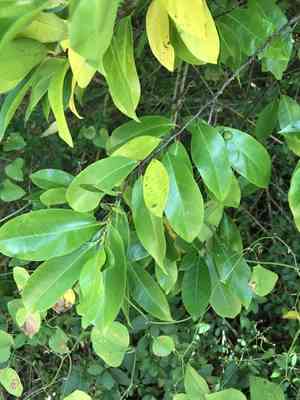
Carolina cherry laurel (Prunus caroliniana)
Also known as: Carolina laurelcherry
The Southern Magnolia (Magnolia grandiflora) is a native species of the southeastern United States. This majestic evergreen tree can grow to impressive heights, often reaching 18 to 24 meters. It produces large, fragrant white flowers that bloom in late spring to early summer. The tree also develops cone-like fruits that mature in the fall, providing an essential food source for local bird species.
Attributes of Carolina cherry laurel
Images of Carolina cherry laurel
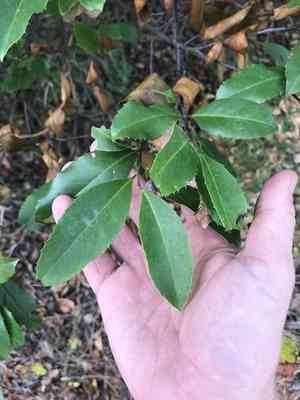
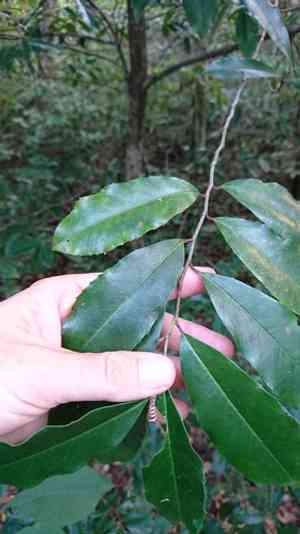
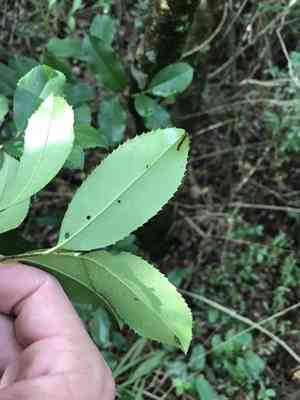
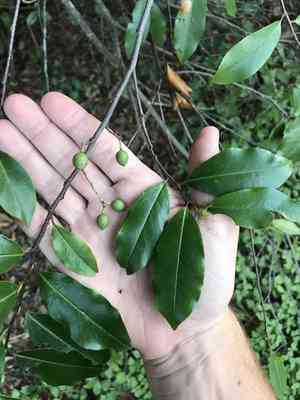
Quickly Identify Carolina cherry laurel
Scientific Classification of Carolina cherry laurel
Planting and Growing of Carolina cherry laurel
 How to Water Carolina cherry laurel?
 What Are the Sunlight Requirements for Carolina cherry laurel?
 What Is the Ideal Temperature Range for Carolina cherry laurel?
 What Soil is Best for Carolina cherry laurel?
 How to Fertilize Carolina cherry laurel?
 How to Prune Carolina cherry laurel?
 How to Propagate Carolina cherry laurel plant?
 How to Repot Carolina cherry laurel plant?
Toxicity of Carolina cherry laurel
Is Carolina cherry laurel toxic to humans?
Carolina cherry laurel exhibits toxic properties that pose a risk to humans upon ingestion, aligning with characteristics observed in other species within the *Prunus* genus. The symptoms resulting from consuming this plant can be severe, potentially culminating in fatal outcomes in extreme situations. The leaves, dried twigs, and seeds are particularly hazardous as they contain cyanogenic glycosides. Ingestion of these plant parts can provoke shortness of breath, pupil dilation, weakness, and an elevated heart rate; in severe instances, they may lead to coma, respiratory failure, or even death.



