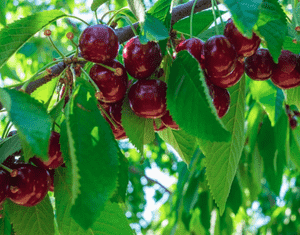
Sweet cherry (Prunus avium)
Also known as: Japanese Cherry , Mazzard, Massard
Sweet cherries are popular among fruit enthusiasts globally, offering flavors that range from sweet to slightly tart, depending on the variety. Beyond their delicious taste, sweet cherries serve several other purposes. They are used in culinary applications such as baking, making jams, and creating sauces. Sweet cherry extracts are valued in the cosmetic industry for their antioxidant properties. Additionally, the wood from cherry trees is prized in carpentry and is often used to craft high-quality furniture.
Attributes of Sweet cherry
Images of Sweet cherry
Quickly Identify Sweet cherry
Scientific Classification of Sweet cherry
Planting and Growing of Sweet cherry
 How to Water Sweet cherry?
 What Are the Sunlight Requirements for Sweet cherry?
 What Is the Ideal Temperature Range for Sweet cherry?
 What Soil is Best for Sweet cherry?
 How to Fertilize Sweet cherry?
 How to Prune Sweet cherry?
 How to Propagate Sweet cherry plant?
 How to Repot Sweet cherry plant?
Toxicity of Sweet cherry
Is Sweet cherry toxic to humans?
The sweet cherry, akin to almost all species within the *Prunus* genus, contains cyanogenic compounds in each part of the plant, including its seeds, with the exception of the actual fruit. When a person consumes the seeds, leaves, or any other portions of the plant, these cyanotoxins are transformed into cyanide gas upon interacting with stomach acid. This gas is then absorbed through the mucous membranes, resulting in poisoning. Symptoms begin with agitation and evolve into weakness, loss of motor coordination and muscle spasms, difficulties in movement or speech, reduced respiratory rate and heartbeat, ultimately culminating in death.
Is Sweet cherry toxic to cat?
In addition to its vibrant and consumable fruit, every other component of the sweet cherry (Prunus avium) poses significant toxicity risks. The stems, seeds, blossoms, leaves, and pits all harbor small quantities of cyanide, which can cause symptoms such as shock, enlarged pupils, respiratory distress, and potentially death. It is strongly advised to seek veterinary assistance if there is any suspicion that a cat has ingested any portion of this plant.
Is Sweet cherry toxic to dog?
The sweet cherry is highly poisonous to dogs, with its stems, leaves, and seeds all containing a type of cyanide. Regrettably, if dogs consume this plant or any of its seeds, they may rapidly collapse and succumb to the toxin, sometimes in just a matter of minutes. Common symptoms associated with cherry poisoning in dogs include vomiting, bright red mucous membranes, tremors, seizures, rapid breathing, and irregular heart rhythms. If you suspect that your dog has ingested any part of the sweet cherry plant, you should contact your veterinarian without delay.



