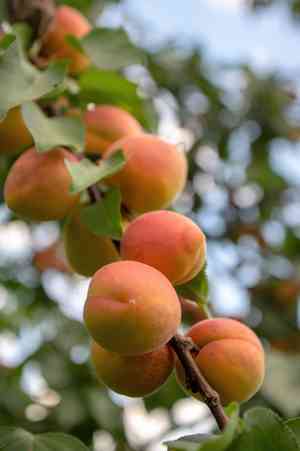
Apricot (Prunus armeniaca)
Also known as: Ansu apricot, Tibetan apricot
The apricot (Prunus armeniaca) is a fruit-bearing plant native to Asia. Despite the genus name "Prunus," which typically refers to plums, this species produces apricots. Its seeds can sometimes be used in place of almonds due to their comparable shape and nutty flavor. Apricots have a long history of cultivation and were found in ancient Armenian archaeological sites.
Attributes of Apricot
Images of Apricot
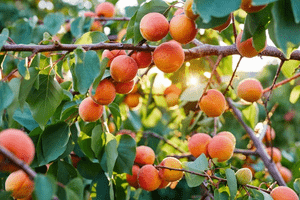
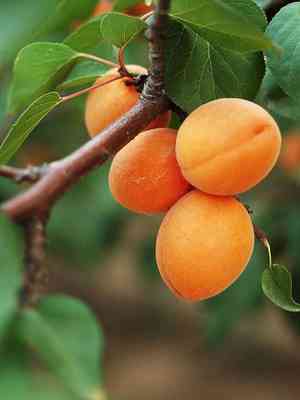


Quickly Identify Apricot
Scientific Classification of Apricot
Planting and Growing of Apricot
 How to Water Apricot?
 What Are the Sunlight Requirements for Apricot?
 What Is the Ideal Temperature Range for Apricot?
 What Soil is Best for Apricot?
 How to Fertilize Apricot?
 How to Prune Apricot?
 How to Propagate Apricot plant?
 How to Repot Apricot plant?
Toxicity of Apricot
Is Apricot toxic to humans?
The apricot, similar to almost all species within the *Prunus* genus, contains cyanogenic compounds in every part of the plant, including its seeds, with the only exception being the flesh of the fruit itself. When an individual consumes the seeds, leaves, or any other portion of the plant, these cyanotoxins can be converted into cyanide gas upon interacting with stomach acid. This toxic gas permeates through mucus membranes, leading to poisoning. The progression of symptoms includes agitation, weakness, a lack of coordination, muscle spasms, difficulties in movement or speech, decreased respiratory function and heart rate, ultimately culminating in death.
Is Apricot toxic to cat?
Highly toxic to felines, ingesting any portion of the apricot (Prunus armeniaca) plant can lead to symptoms such as vomiting, breathing difficulties, dilated pupils, or even shock. The cyanogenic compounds found in the plant's stems, leaves, and seeds become especially dangerous when the plant is in a wilting state, making older or dying specimens far more harmful than younger, healthy ones. It is recommended to seek veterinary care.
Is Apricot toxic to dog?
Every component of the apricot tree is highly toxic to dogs. While the seeds have the highest levels of the poison cyanide, the entire plant is hazardous if consumed and may result in fatal consequences if prompt veterinary care is not received. Signs of poisoning include excessive drooling, aggressive behavior, vomiting, bloody diarrhea, watery eyes, and general weakness.



