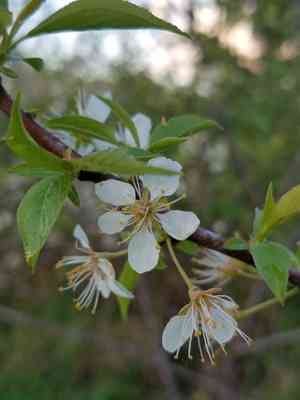
American plum(Prunus americana)

American plum (Prunus americana)

Also known as: American Plum, Wild Plum

The American plum (Prunus americana) is a fruit-bearing plant native to the eastern and central regions of the United States and Canada. Unlike the Canadian plum, which produces yellow fruit, the American plum bears fruit that is typically bright red when ripe.

Attributes of American plum

Lifespan
Perennial
Plant Type
Tree, Shrub
Plant Height
4.5 m
Spread
4.5 m to 8 m
Leaf Color
Green
Flower Size
2 cm
Flower Color
White

PlantJoy - Identify plants with a snap

Identify and diagnose plants, get toxicity alerts, and explore safety guides for all types of fungi.

Try for Free

Images of American plum

American plum(Prunus americana)

Quickly Identify American plum

1
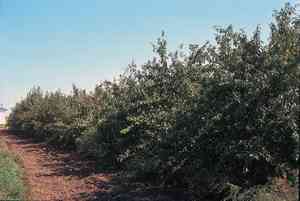
Deciduous with broad, spreading crown, growing 10-20 feet (3-6 meters) tall.
2
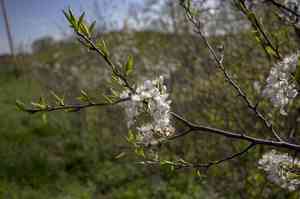
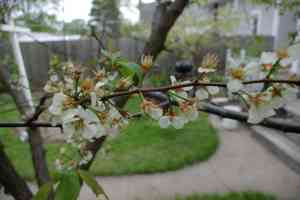
Flowers in clusters of 2-5 with symmetrical white petals, 1 inch (2.5 cm) wide.
3
Round edible plums, 1 inch (2.54 cm) in diameter, ripening to red-purple in July-August.
4
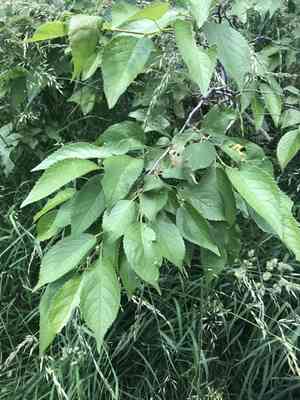
Toothed, oblong leaves, 3-4 inches (7.6-10.2 cm) long, turning yellow to red in autumn.
5
Dark reddish-brown stem, 0.5-2 inches (1.3-5 cm) diameter, with thorny lateral branchlets.

Scientific Classification of American plum

Phylum
Vascular plants
Class
Dicotyledons
Order
Rosales
Family
Rose
Genus
Prunus
Species
American plum

Planting and Growing of American plum

Care Difficulty
Easy
Watering Schedule
Every 3 days
Sunlight Requirements
Full sun
Sunshine Duration
6-10 hours
Ideal Temperature
65-75℉
Soil Type
Potting Mix, Peat Mix
Soil pH
6.5-7.5
Fertilizer Type
Balanced
Pruning Season
Spring, Summer
Pruning Area
Branches, Leaves
Pruning Frequency
2 times a year
Repotting Season
Spring
Pot Type
Plastic, Ceramic

water icon How to Water American plum?

When watering Prunus americana, ensure the soil is thoroughly soaked to a depth of about 12 inches. This typically means about 1000 ml of water per session, allowing the water to reach the root zone deeply and efficiently. The goal is to provide water similar to a heavy rain shower, soaking everything without leaving any standing water.
What are the symptoms of an underwatered American plum?
What should I do if my American plum is not getting enough water?
What are the symptoms of an overwatered American plum?
How to save an overwatered American plum?

sunlight icon What Are the Sunlight Requirements for American plum?

Sunlight Requirements: Full sun
Duration of light: 6 to 8 hours
Prunus americana flourishes in full sun, which means plenty of direct sunlight throughout the day. Ideal conditions lead to better photosynthesis, higher fruit yield, and overall healthier plant growth.
How much sunlight does Prunus americana require?
What are the solutions to attain ideal lighting for Prunus americana?
What benefits does Prunus americana gain from ideal lighting?
More About Sunlight Requirements Techniques

temperature icon What Is the Ideal Temperature Range for American plum?

Ideal Temperature: 65 ~ 75℉
The ideal temperature range for Prunus americana, commonly known as the American plum, is between 65°F and 75°F. These temperatures provide optimal conditions for growth, ensuring that the plant receives the necessary warmth to thrive, while avoiding stress caused by excessive heat or cold.

soil icon What Soil is Best for American plum?

Soil type: Loam, Sandy loam
Soil PH: 6.5 ~ 7.5
Prunus americana thrives best in well-drained soil which helps prevent root rot and other water-related issues. Proper drainage ensures that the roots receive sufficient oxygen, promoting healthier growth and abundant fruit production. This plant benefits greatly from nutrient-rich soil, as it requires adequate levels of nitrogen, phosphorus, and potassium for optimal growth. Rich soil enhances leaf growth, flower production, and overall plant vigor. Maintaining moderate moisture levels in the soil is crucial for Prunus americana. Consistent moisture supports steady growth and fruiting, while preventing stress due to drought or waterlogging.

fertilize icon How to Fertilize American plum?

Fertilizer type: Balanced
For Prunus americana, apply a balanced, water-soluble fertilizer at a concentration of half the recommended strength. Ensure the quantity covers the entire root zone without oversaturating the soil. Use around 1 cup per small tree or increase proportionately for larger trees.

prune icon How to Prune American plum?

Pruning Time: Winter, Early Spring
Begin by inspecting the tree for any dead or diseased branches. These branches should be removed first to prevent disease spread and to encourage new growth. Next, shape the tree by cutting back overgrown branches. Focus on maintaining an open center to improve air circulation. This will reduce the risk of fungal disease and allow better light penetration. Thinning involves removing some of the interior branches that crowd the tree. This helps in reducing the weight on branches and minimizing the risk of breakage during heavy winds or when the tree is laden with fruit. More About Pruning Techniques

propagate icon How to Propagate American plum plant?

Propagate Time: Spring, Early spring
1
Harvest seeds from mature Prunus americana fruits, ensuring they are ripe. Remove the pulp and clean the seeds before any propagation process.
2
Select healthy branches and cut sections approximately 6 inches long. Remove the bottom leaves to prevent rot and prepare them for rooting mediums.
3
Choose compatible rootstock and perform the grafting technique that suits the desired outcome, such as cleft grafting, ensuring a successful union and growth.
More About Propagating Techniques

repot icon How to Repot American plum plant?

Repotting frequency: Every 2-3 years
1
Prunus americana should be repotted when roots begin to grow out of the drainage holes or when the plant appears to be stunted. Spring is the ideal season as the plant is just awakening and has the entire growing season to establish itself in the new pot.
2
Select a pot that is one size larger than the current one and ensure it has sufficient drainage holes. Using a larger pot allows more room for root growth, promoting stronger and healthier plant development.
3
Opt for well-draining loamy soil enriched with organic matter. This type of soil provides essential nutrients and ensures proper drainage, preventing root rot and enhancing root health.

PlantJoy - Identify plants with a snap

Find the best spots for them to optimize their health, simply using your phone.

Try for Free

Toxicity of American plum

Is American plum toxic to humans?

The American plum, akin to almost all species within the *Prunus* genus, contains cyanogenic compounds throughout its entire structure, including the seeds, with the only exception being its fruit. When an individual ingests the seeds, leaves, or any other portion of the plant, these cyanotoxins are transformed into cyanide gas upon interaction with stomach acid. This gas penetrates through mucous membranes, leading to poisoning. Symptoms typically escalate from restlessness to fatigue, lack of coordination, involuntary muscle contractions, challenges in movement or speech, decreased respiratory function, and heart rate, ultimately resulting in death.

Identify toxic plants for your safety

Learn which plants are harmful to you and your pets, and make informed choices for a safer home!

Try for Free
WARNING
The judgment on toxicity and danger is for reference only. We DO NOT GUARANTEE any accuracy of such judgment. Therefore, you SHALL NOT rely on such judgment. It is IMPORTANT TO SEEK PROFESSIONAL ADVICE in advance when necessary.
More About Toxic Techniques