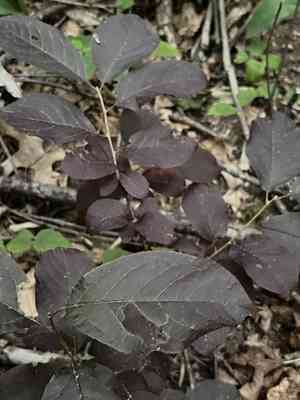
Purple-Leaf Sand Cherry (Prunus × cistena)
Also known as: Purple Leaf Sand Cherry
The Prunus × cistena, also known as the Purple Leaf Sand Cherry, is admired for its stunning purple foliage. This hybrid ornamental tree was created in 1910 by botanist Dr. N. E. Hansen. Despite its beauty, it is highly susceptible to pests and diseases, often limiting its lifespan to around 10 years.
In This Article
Attributes of Purple-Leaf Sand Cherry
Lifespan
Perennial
Plant Type
Tree, Shrub
Plant Height
1.8 m to 3 m
Spread
1.2 m to 1.8 m
Leaf Color
Gold Yellow Purple
Flower Size
2.5 cm
Flower Color
White Pink
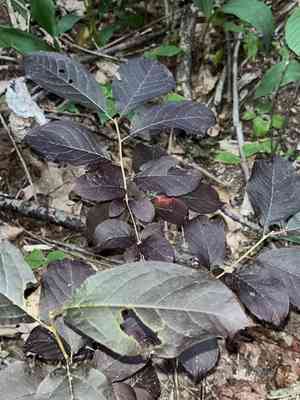
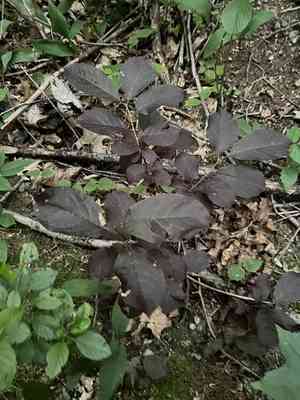
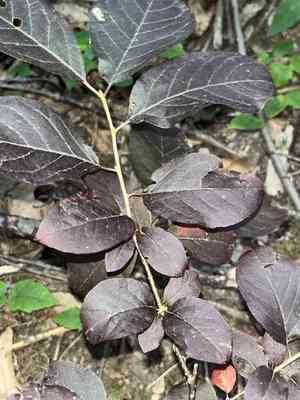
Images of Purple-Leaf Sand Cherry
Quickly Identify Purple-Leaf Sand Cherry
1
Identify Prunus × cistena by its distinctive purple leaves, small pinkish-white flowers in the spring, and dark red to black fruits in summer.
Scientific Classification of Purple-Leaf Sand Cherry
Phylum
Vascular plants
Class
Dicotyledons
Order
Roses, elms, figs, and allies
Family
Rose
Genus
Prunus
Species
Purple-Leaf Sand Cherry
Planting and Growing of Purple-Leaf Sand Cherry
Care Difficulty
Easy
Watering Schedule
Every 4 days
Sunlight Requirements
Full sun
Sunshine Duration
4-8 hours
Ideal Temperature
60-75℉
Soil Type
Potting Mix, Peat Mix
Soil pH
6.5-7.5
Fertilizer Type
Balanced
Pruning Season
Spring, Summer
Pruning Area
Branches, Leaves
Pruning Frequency
2 times a year
Repotting Season
Spring
Pot Type
Plastic, Terracotta
 How to Water Purple-Leaf Sand Cherry?
For Prunus × cistena, ensure the soil is thoroughly soaked without being waterlogged. This means watering until 1000 ml of water has been absorbed through the root area. Check soil moisture by inserting your finger about 2 inches into the soil; if it feels dry, it's time to water.
What are the symptoms of an underwatered Purple-Leaf Sand Cherry?
›
What should I do if my Purple-Leaf Sand Cherry is not getting enough water?
›
What are the symptoms of an overwatered Purple-Leaf Sand Cherry?
›
How to save an overwatered Purple-Leaf Sand Cherry?
›
 What Are the Sunlight Requirements for Purple-Leaf Sand Cherry?
Prunus × cistena thrives in partial to full sun environments. Ideal light exposure boosts photosynthesis, leading to healthier foliage coloration and more prolific flowering.
Solution for Ideal Lighting
›
How to Achieve Ideal Lighting
›
Benefits of Ideal Lighting
›
 What Is the Ideal Temperature Range for Purple-Leaf Sand Cherry?
The ideal temperature range for Prunus × cistena is between 60°F and 75°F. This range allows for optimal growth and flowering. Maintaining this temperature range ensures that the plant has the proper conditions for photosynthesis, respiration, and nutrient uptake, all essential for healthy development.
 What Soil is Best for Purple-Leaf Sand Cherry?
Prunus × cistena thrives in soil that offers excellent drainage. Well-drained soil prevents water from pooling around the roots, reducing the risk of root rot and maintaining optimal root oxygenation. This plant requires soil rich in organic matter to sustain its vibrant foliage. Compost or well-rotted manure can boost soil fertility and provide immense benefits for plant health and growth. A neutral to slightly acidic pH range ensures the best nutrient availability for Prunus × cistena. Staying within this pH range supports healthy nutrient uptake and enhances its natural color vibrancy.
 How to Fertilize Purple-Leaf Sand Cherry?
For Prunus × cistena, apply liquid fertilizer at half the recommended strength to avoid over-fertilization. A quarter cup per plant works well, providing essential nutrients without overwhelming it.
 How to Prune Purple-Leaf Sand Cherry?
Start by removing any dead, damaged, or diseased wood first. Follow with cuts on branches that disrupt the desired shape or structure. It's essential to trim any crossing branches to prevent rubbing damage. Aim to keep the center of the shrub open to sunlight and air circulation to improve overall health. Prunus × cistena can be shaped to a bushy form or maintained as a small tree. For a bushy appearance, trim the tips of new growth to encourage fuller branches. For tree form, select a central leader and remove competing stems. Maintain the desired shape by lightly pruning new growth throughout the season.
More About Pruning Techniques→
 How to Propagate Purple-Leaf Sand Cherry plant?
1
For seed propagation, collect mature seeds from the fruit. Clean the seeds to remove any pulp and let them dry for a few days. Cold stratification may be necessary to break seed dormancy.
2
Select healthy, young branches and cut them at a 45-degree angle. Each cutting should be about 4-6 inches long and free of flowers or buds to focus energy on root development.
3
Grafting should be done in early spring. Select compatible rootstock, make a clean diagonal cut on both scion and rootstock, and bind them together securely to ensure successful union.
 How to Repot Purple-Leaf Sand Cherry plant?
1
Repot Prunus × cistena when roots start circling the pot or when there's noticeable soil compaction. Spring and early autumn are ideal as the milder temperatures help reduce transplant shock.
2
Select a pot 2-3 inches wider than the current one to give the roots space to expand. Clay or ceramic pots are excellent choices as they prevent waterlogging, which is crucial for root health.
3
Opt for a well-draining loamy mix with components like sand and organic matter. This supports root growth and ensures ample aeration, reducing the risk of root rot.
Toxicity
ingestion, contact with sap, chewing
WARNING
The judgment on toxicity and danger is for reference only. We DO NOT GUARANTEE any accuracy of such judgment. Therefore, you SHALL NOT rely on such judgment. It is IMPORTANT TO SEEK PROFESSIONAL ADVICE in advance when necessary.



