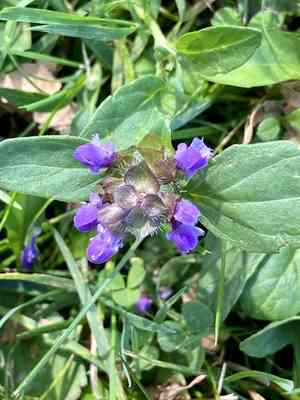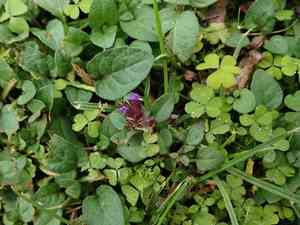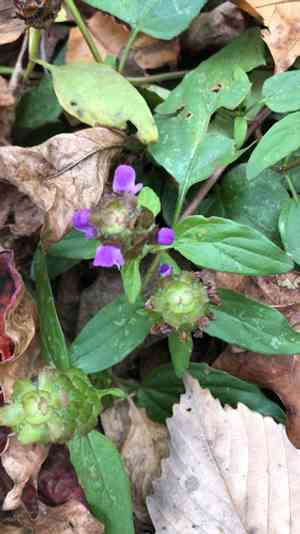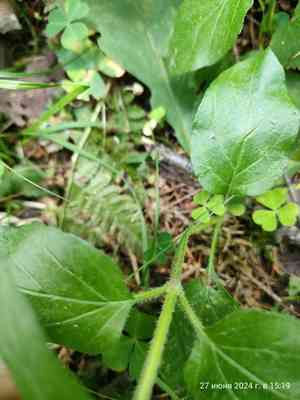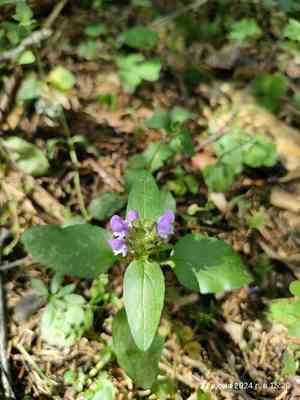
Common selfheal(Prunella vulgaris)

Common selfheal (Prunella vulgaris)

Also known as: Heart-of-the-earth, Blue curls

### Culinary Uses
1. **Salads**: Fresh young leaves of common selfheal can be added to salads, providing a slightly minty, bitter note. It's advisable to rinse the leaves thoroughly to reduce their bitterness.
2. **Soups and Stews**: The leaves can also be cooked in soups and stews, contributing a mild, earthy flavor.

### Other Applications
1. **Dye Production**: The stems of common selfheal can be used to produce an olive-colored dye, useful for natural fabric dyeing projects.
2. **Gardening**: Due to its attractive purple flowers, common selfheal is often cultivated in gardens for ornamental purposes.
3. **Traditional Medicine**: Historically, it has been used in herbal remedies for its anti-inflammatory and antimicrobial properties, often applied to minor wounds or brewed into a soothing tea.

Common selfheal is versatile, finding roles in both culinary and practical applications.

Attributes of Common selfheal

Lifespan
Perennial
Plant Type
Herb
Plant Height
5 cm to 30 cm
Spread
30 cm
Leaf Color
Green
Flower Size
2.5 cm
Flower Color
Blue Purple Violet

PlantJoy - Identify plants with a snap

Identify and diagnose plants, get toxicity alerts, and explore safety guides for all types of fungi.

Try for Free

Images of Common selfheal

Common selfheal(Prunella vulgaris)

Quickly Identify Common selfheal

1
Upright floral spikes reaching 2 feet (60 cm) tall.
2
Bilaterally symmetrical, purplish blue flowers with two distinct lips.
3
Distinctive four nutlets, dry and indehiscent, typically brownish.
4
Leaves 1-4 inches (2.5-10 cm) long, egg-shaped, with white undersides.
5
Long, slender stem with red tint, square cross-section, and smooth texture.

Scientific Classification of Common selfheal

Phylum
Vascular plants
Class
Dicotyledons
Order
Mints plantains olives and allies
Family
Mint
Genus
Selfheals
Species
Common selfheal

Planting and Growing of Common selfheal

Care Difficulty
Easy
Watering Schedule
Every 12 days
Sunlight Requirements
Full sun
Sunshine Duration
6-10 hours
Ideal Temperature
65-75℉
Soil Type
Potting Mix, Peat Mix
Soil pH
6.5-7.5
Fertilizer Type
Balanced
Pruning Season
Spring, Summer
Pruning Area
Branches, Leaves
Pruning Frequency
2 times a year
Repotting Season
Spring
Pot Type
Plastic, Ceramic

water icon How to Water Common selfheal?

Prunella vulgaris prefers slightly moist soil but not waterlogged. Aim to water until the top 3-4 inches of soil are moist, but ensure the excess water drains. This generally translates to about 250 ml of water per session, depending on your soil's drainage capability.
What are the symptoms of an underwatered Common selfheal?
What should I do if my Common selfheal is not getting enough water?
What are the symptoms of an overwatered Common selfheal?
How to save an overwatered Common selfheal?
More About Watering Techniques

sunlight icon What Are the Sunlight Requirements for Common selfheal?

Sunlight Requirements: Full sun, Partial sun
Duration of light: 4 to 6 hours
Partial to full sun encourages robust growth, abundant flowering, and a long blooming season. Ideal lighting supports strong photosynthesis, improving the plant's overall hardiness and aesthetic appeal.
How to ensure ideal sunlight?
Why is periodic shading important?
What are the benefits of optimal lighting conditions?
More About Sunlight Requirements Techniques

temperature icon What Is the Ideal Temperature Range for Common selfheal?

Ideal Temperature: 65 ~ 75℉
The ideal temperature range for growing Prunella vulgaris is between 65°F and 75°F. This range provides a warm yet moderate environment, allowing the plant to perform essential physiological processes efficiently, like photosynthesis and nutrient uptake, without stress.

soil icon What Soil is Best for Common selfheal?

Soil type: Sandy loam, Loam, Sand soil
Soil PH: 6.5 ~ 7.5
Prunella vulgaris thrives in well-drained soils, which prevent root rot by allowing excess moisture to escape. This type of soil ensures roots remain healthy and functional, promoting robust plant growth. Prunella vulgaris benefits from nutrient-rich soils that provide essential minerals and nutrients for optimal growth. Adequate nutrient availability leads to more vigorous foliage and a greater resistance to pests and diseases. While drainage is essential, the soil should also retain some moisture to support Prunella vulgaris's water needs. Good moisture retention helps maintain proper hydration levels, especially during dry spells. More About Soil

fertilize icon How to Fertilize Common selfheal?

Fertilizer type: Balanced
For Prunella vulgaris, a balanced approach to fertilization is crucial. Apply liquid fertilizer diluted to half its recommended strength to avoid nutrient burn. Ensure the soil is slightly moist before application to promote even absorption. More About Fertilizing Techniques

prune icon How to Prune Common selfheal?

Pruning Time: Spring, Summer, Autumn
Begin by using clean, sharp pruning shears. Trim back to just above a node or set of leaves, ensuring that there's ample foliage for photosynthesis and growth. By focusing on cutting sections that look wilted or crowded, you maintain air circulation around the lower leaves. Shape the plant by cutting uneven stems to keep it visually tidy and balanced. More About Pruning Techniques

propagate icon How to Propagate Common selfheal plant?

Propagate Time: Spring, Late spring, Early summer
1
Gather mature seeds from the plant once the flowers have dried. Store them in a cool, dry place until you're ready to plant.
2
Select a healthy parent plant. Use a sharp knife to take cuttings of about 10-15 cm. Remove lower leaves and dip the cut end in rooting hormone to encourage root growth.
3
Dig up the parent plant, ensuring minimal root disturbance. Carefully separate the root clumps and replant them in suitably prepared soil with adequate spacing.
More About Propagating Techniques

repot icon How to Repot Common selfheal plant?

Repotting frequency: Every 2 to 3 years
1
Primarily, repotting Prunella vulgaris is necessary when you notice roots are protruding through the drainage holes or the growth seems stunted. Another clear signal is when water quickly runs through the pot, suggesting soil compaction. These signs imply it's time for your plant to get a more spacious home.
2
Select a pot with a diameter 1 to 2 inches larger than the current one. Opt for a pot with adequate drainage holes to prevent waterlogging, which can lead to root rot. A ceramic pot with drainage offers both breathability and aesthetic appeal, promoting healthy root growth.
3
Prunella vulgaris thrives in a well-drained, nutrient-rich potting mix. The ideal mix would contain equal parts peat, perlite, and compost, ensuring good aeration and moisture retention. This combination supports optimal root health and vigorous top growth.

PlantJoy - Identify plants with a snap

Find the best spots for them to optimize their health, simply using your phone.

Try for Free