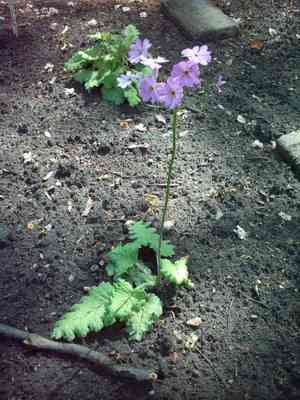
Primroses (Primula) (Primula)
Also known as: Primrose
Primroses (Primula) encompass a broad and varied group of flowering plants found in many regions. The term "prim" in their name is derived from the Latin word "primus," which means "first," indicating their early blooming period in spring.
In This Article
Attributes of Primroses (Primula)
Lifespan
Perennial
Plant Height
25 cm
Spread
20 cm
Leaf Color
Green, sometimes with a slightly glossy texture
Flower Size
2.5 cm
Flower Color
Various colors including yellow, pink, purple, red, and white
Images of Primroses (Primula)
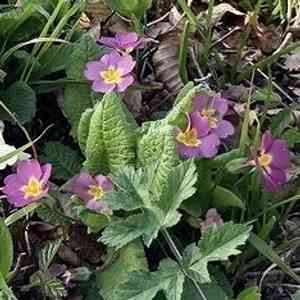
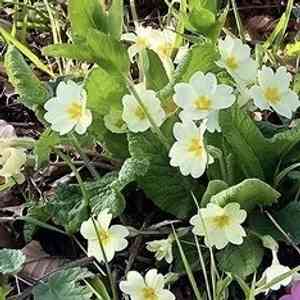
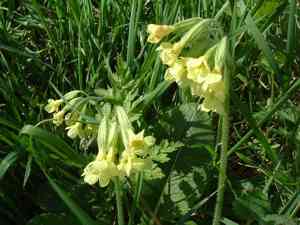
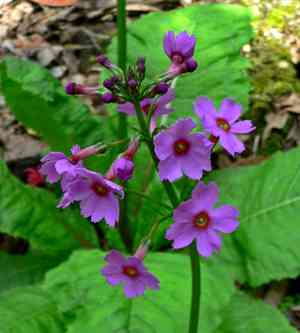
Quickly Identify Primroses (Primula)
1
Primula plants typically have basal rosettes of leaves and clusters of flowers that bloom in spring. The flowers are often vibrant and can be singular or in clusters on a vertical stem.
Scientific Classification of Primroses (Primula)
Phylum
Magnoliophyta
Class
Magnoliopsida
Order
Ericales
Family
Primulaceae
Genus
Primula
Planting and Growing of Primroses (Primula)
Care Difficulty
Moderate
Watering Schedule
Every 4 days
Sunlight Requirements
Partial sun
Sunshine Duration
4-8 hours
Ideal Temperature
50-65℉
Soil Type
Potting Mix, Peat Mix
Soil pH
5.5-7.5
Fertilizer Type
Balanced
Pruning Season
Spring, Summer
Pruning Area
Branches, Leaves
Pruning Frequency
2 times a year
Repotting Season
Spring
Pot Type
Plastic, Ceramic
 How to Water Primroses (Primula)?
Primula plants require a moderate amount of watering, ideally about 200 milliliters each time. Ensure the soil is moist but not waterlogged. Water the plant until water starts to drain from the bottom of the pot, indicating that the roots are well-hydrated without sitting in excess water.
What are the symptoms of an underwatered Primroses (Primula)?
›
What should I do if my Primroses (Primula) is not getting enough water?
›
What are the symptoms of an overwatered Primroses (Primula)?
›
How to save an overwatered Primroses (Primula)?
›
 What Are the Sunlight Requirements for Primroses (Primula)?
Partial sun is ideal, equating to morning sun exposure with afternoon shade, promoting vibrant blooms and healthy foliage, mimicking their natural woodland habitats where sunlight is dappled.
Question: What is the best lighting condition for Primula?
›
Solution: How can you provide such conditions?
›
Benefits: Why is this beneficial for Primula?
›
 What Is the Ideal Temperature Range for Primroses (Primula)?
Primula, commonly known as primroses, thrive best in a cooler climate where temperatures range between 50°F and 65°F. This range mimics their natural habitat and supports optimal growth. Cool temperatures help in maintaining vibrant blooms and prevent premature wilting. Temperatures above or below this range can stress the plant, affecting its overall health.
 What Soil is Best for Primroses (Primula)?
Primula prefers well-drained soil that retains moisture without becoming waterlogged. Good drainage prevents root rot and promotes healthy growth, ensuring that the plant has access to essential oxygen and nutrients. This plant thrives in soil that retains moisture, providing a consistent supply of water to its roots. Adequate moisture retention supports continuous growth and vivid blooms by preventing dehydration stress. A nutrient-rich soil enriched with organic matter supports the lush foliage and vibrant flowers of Primula. The presence of nutrients encourages strong root development and enhances overall plant vitality.
 How to Fertilize Primroses (Primula)?
For Primula, a balanced liquid fertilizer diluted to half strength is recommended, as this plant is sensitive to over-fertilization. Use about 5 ml of liquid fertilizer per 1 liter of water. A gentle approach ensures the plant gets enough nutrients without overwhelming it.
 How to Prune Primroses (Primula)?
Remove spent flowers regularly to promote continuous blooming. Use your fingers or a pair of small scissors to gently snip off the spent flower stems just above the first set of leaves. This not only helps keep the plant tidy but also redirects energy towards producing more flowers. After the primula has finished its main flowering period, cut back the plant to a basal rosette to rejuvenate growth. This involves trimming the stems back to their base to stimulate fresh foliage and flower development.
 How to Propagate Primroses (Primula) plant?
1
Fill the seed trays with a suitable seed compost, sprinkle the Primula seeds lightly on the surface, and cover them with a thin layer of compost. Mist with water and cover with a plastic lid to maintain humidity.
2
Carefully dig up the mature Primula plant and gently shake off excess soil. Use a sharp knife to divide the root ball into sections, ensuring each section has roots and shoots. Replant immediately in prepared soil.
3
After sowing seeds or dividing plants, ensure they receive regular watering. The soil should be kept consistently moist but not waterlogged, as too much water can damage young seedlings or divided sections.
 How to Repot Primroses (Primula) plant?
1
Primula should be repotted when you notice that the roots have outgrown the existing pot and are visible through the drainage holes, or when the soil seems depleted of nutrients. These signs indicate that it's time for a new home, ensuring the plant has room to expand and continue thriving.
2
Select a pot that is one size larger than the current pot, ensuring it has adequate drainage holes to prevent waterlogging. The right pot will facilitate proper root growth and prevent excessive moisture retention, reducing the risk of root rot.
3
Choose a light, well-draining soil mix with organic matter like peat or compost. This kind of soil enhances aeration and water retention while providing necessary nutrients, promoting healthy root development and overall growth for the primula.
Learn More About Primroses (Primula) Diseases
Anthracnose
Bacterial Leaf Spot
Bacterial Soft Rot
Bacterial Wilt
Chemical Injury
Crown Gall
Cyst Nematode
Damping-off
Downy Mildew
Drought Stress
Fusarium Wilt
Gray Mold
Leaf Spot
Mosaic
Nutrient Deficiency
Nutrient Toxicity
Powdery Mildew
Root Rot
Root-knot Nematode
Rusts
Sooty Mold
Spider Mites
Temperature Stress
Thrips Damage
White Mold

