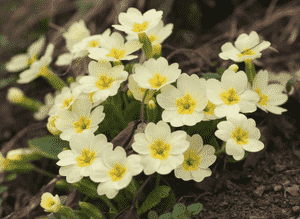
Primula vulgaris (Primula vulgaris)
Also known as: Common primrose, English primrose
Primula vulgaris, also known as the common primrose, belongs to the Primulaceae family and originates from Eurasia. It's often simply referred to as primrose, but sometimes it's specified as common primrose or English primrose to differentiate it from other species of Primula also known as primroses.
In This Article
Attributes of Primula vulgaris
Lifespan
Perennial
Plant Height
4-6 inches
Spread
6-9 inches
Leaf Color
Green
Flower Size
0.8-1.6 inches
Flower Color
Pale Yellow
Images of Primula vulgaris
Quickly Identify Primula vulgaris
1
Look for a rosette of tongue-shaped leaves, and the flowers typically have five petals, and can vary in color including white, yellow, or pink. They often appear as solitary blooms on short stalks.
Scientific Classification of Primula vulgaris
Phylum
Tracheophyta
Class
Magnoliopsida
Order
Ericales
Family
Primulaceae
Genus
Primula
Species
P. vulgaris
Planting and Growing of Primula vulgaris
Care Difficulty
Easy
Watering Schedule
Every 4 days
Sunlight Requirements
Partial sun
Sunshine Duration
6-10 hours
Ideal Temperature
50-68℉
Soil Type
Potting Mix, Peat Mix
Soil pH
6-7.5
Fertilizer Type
Balanced
Pruning Season
Spring, Summer
Pruning Area
Branches, Leaves
Pruning Frequency
2 times a year
Repotting Season
Spring
Pot Type
Plastic, Ceramic
 How to Water Primula vulgaris?
Primula vulgaris prefers consistently moist soil. However, it’s crucial not to overwater. The soil should be kept moist to touch rather than soggy. Aim to water with about 200 ml, ensuring that the water soaks through to reach the roots but doesn’t leave the plant sitting in water.
What are the symptoms of an underwatered Primula vulgaris?
›
What should I do if my Primula vulgaris is not getting enough water?
›
What are the symptoms of an overwatered Primula vulgaris?
›
How to save an overwatered Primula vulgaris?
›
 What Are the Sunlight Requirements for Primula vulgaris?
Primula vulgaris ideally requires partial sun to full shade. Optimum light exposure fosters robust growth, radiant foliage, and vivid blossoms by maintaining an equilibrium between photosynthesis efficiency and preventing leaf scorch.
What is the ideal amount of sunlight?
›
Is morning or afternoon sun better?
›
What if my plant gets too much shade?
›
 What Is the Ideal Temperature Range for Primula vulgaris?
The ideal temperature range for Primula vulgaris is between 50°F and 68°F. This ensures optimal growth, vibrant blooms, and overall plant health. Temperatures in this range mimic the natural habitat of Primula vulgaris, promoting robust flowering and foliage development.
 What Soil is Best for Primula vulgaris?
Primula vulgaris thrives in well-drained soil as it prevents waterlogging, which can lead to root rot. Ensuring proper drainage mimics the plant's natural woodland habitat, promoting healthy root growth. This plant prefers soil that retains moisture without becoming soggy. Sufficient moisture is crucial, particularly during growing seasons, as it supports lush foliage and abundant bloom. Incorporating organic matter such as compost enriches the soil, improving its texture and nutrient content. Nutrient-rich soil supports the vigorous growth of Primula vulgaris, ensuring vibrant blooms.
 How to Fertilize Primula vulgaris?
For Primula vulgaris, it's essential to apply fertilizer sparingly as they are quite sensitive to over-fertilization. Use a balanced liquid fertilizer diluted to half strength, aiming for about 1 tablespoon per gallon of water. This ensures the plant gets enough nutrients without the risk of burning the roots or causing nutrient imbalances.
 How to Prune Primula vulgaris?
Begin by inspecting the plant for any dead or decaying leaves. Using your clean pruners, gently snip these away at their base. Focus on removing any browned edges or entire leaves that show signs of damage. This helps promote healthier new growth. Regularly remove spent flowers by pinching them off just above the next flower bud or leaf. This encourages the plant to produce more blooms, thus extending the flowering season and enhancing the plant's appearance.
 How to Propagate Primula vulgaris plant?
1
To propagate by seed, wait until the spring for seeds to mature. Collect them by gently removing the seed pods once they have dried on the plant. Ensure that the seeds are fully dry before storing them in a cool, dark place until you're ready to sow.
2
Division should be done in early spring when new growth begins. Gently lift the mature plant from the soil using a hand trowel, shaking off excess soil. Carefully separate the plant into smaller sections, ensuring that each section has roots attached.
3
Fill a seed tray with a seed-starting mix and sprinkle the seeds over the surface. Lightly cover them with more mix or vermiculite. Keep the tray in a bright location with indirect sunlight and maintain moisture by misting regularly.
 How to Repot Primula vulgaris plant?
1
Repot Primula vulgaris when you notice restricted root growth or the soil dries out too quickly. These signs indicate that the plant has outgrown its current container. The best time to repot is early spring or autumn, as the plant is in a state of reduced stress, making it easier to adapt to a new pot.
2
Opt for a pot that is one size larger than the current one, made of breathable material like terracotta. This helps to prevent waterlogging and facilitates healthy root development. Drainage holes are crucial to avoid excess moisture, which can lead to root rot.
3
Choose a well-drained, loamy soil rich in organic matter. This type of soil provides adequate drainage while retaining essential moisture and nutrients. Good soil composition ensures roots have access to air, promoting healthy growth and vibrant blooms.

