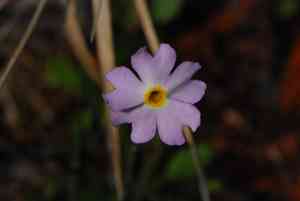
Mistassini primrose (Primula mistassinica)
Also known as: Lake mistassini primrose
The Mistassini primrose is a wildflower native to North America, especially prevalent in Canada and the northern United States. It typically grows in moist, rocky areas, such as the crevices of rocks around freshwater lakes, stabilized dunes, and moist sandstone cliffs. Despite being one of the most widespread primroses in North America, it remains quite rare. The name "Mistassini primrose" is derived from the Canadian lake where it was first identified.
In This Article
Attributes of Mistassini primrose
Lifespan
Perennial
Plant Type
Herb
Plant Height
5 cm to 15 cm
Spread
Less than 20 cm
Leaf Color
Green
Flower Size
Up to 1.5 cm
Flower Color
Pink Purple
Images of Mistassini primrose
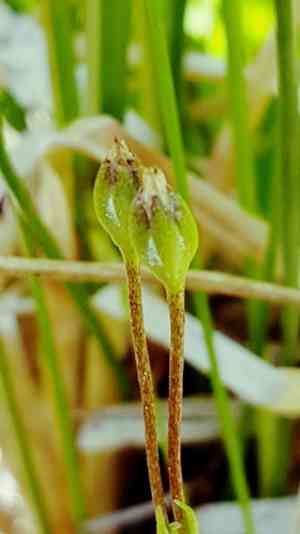
Quickly Identify Mistassini primrose
1
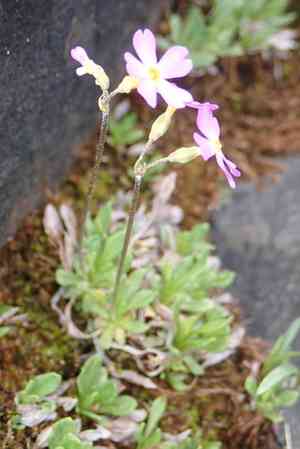
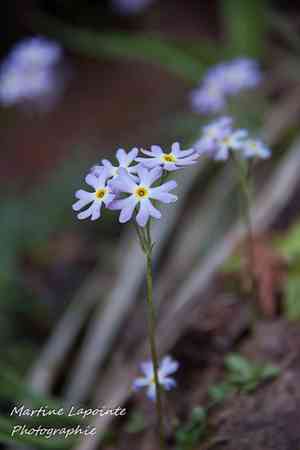
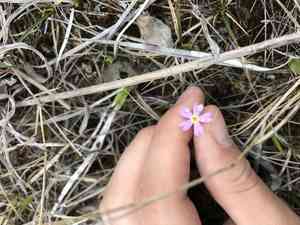
Identify Primula mistassinica by its small, pale pink or purple flowers with a yellow center, and its rosette of oblong leaves that are typically found near moist, rocky environments. The plant\'s height rarely exceeds 15 cm.
Scientific Classification of Mistassini primrose
Phylum
Vascular plants
Class
Dicotyledons
Order
Ericales
Family
Primrose
Genus
Primroses
Species
Mistassini primrose
Planting and Growing of Mistassini primrose
Care Difficulty
Easy
Watering Schedule
Every 4 days
Sunlight Requirements
Partial sun
Sunshine Duration
4-8 hours
Ideal Temperature
60-70℉
Soil Type
Potting Mix, Peat Mix
Soil pH
5-7.5
Fertilizer Type
Balanced
Pruning Season
Spring, Summer
Pruning Area
Branches, Leaves
Pruning Frequency
2 times a year
Repotting Season
Spring
Pot Type
Plastic, Ceramic
 How to Water Mistassini primrose?
For Primula mistassinica, watering should ensure that the soil is consistently moist but not waterlogged. Each time you water, make sure the top inch of the soil feels moist and the water seeps gradually to the roots. A thorough application of about 250 milliliters per session should suffice, ensuring that the plant receives adequate hydration without becoming overly saturated.
What are the symptoms of an underwatered Mistassini primrose?
›
What should I do if my Mistassini primrose is not getting enough water?
›
What are the symptoms of an overwatered Mistassini primrose?
›
How to save an overwatered Mistassini primrose?
›
 What Are the Sunlight Requirements for Mistassini primrose?
Partial sun to full shade is ideal for Primula mistassinica. These conditions promote vibrant bloom cycles and healthy foliage, enhancing the plant's natural beauty and resilience while preventing stress from overexposure.
More About Sunlight Requirements Techniques→
What are Primula mistassinica's ideal light conditions?
›
How to achieve these lighting conditions for Primula mistassinica?
›
What benefits does ideal lighting bring to Primula mistassinica?
›
 What Is the Ideal Temperature Range for Mistassini primrose?
The ideal temperature range for Primula mistassinica is between 60°F and 70°F. This range fosters healthy growth and vibrant blooms. Such conditions mimic the plant’s natural habitat ensuring it thrives with adequate warmth without overheating.
 What Soil is Best for Mistassini primrose?
Primula mistassinica thrives in soil that retains moisture but does not become waterlogged. Loamy and sandy loam soils offer the perfect balance, allowing for moisture retention along with adequate drainage to prevent root rot. A soil rich in organic matter, such as compost or leaf mold, is beneficial for Primula mistassinica. This richness provides essential nutrients that support healthy growth and blooming, enhancing the overall vitality of the plant. Primula mistassinica prefers soils with a pH that is neutral to slightly acidic. This range ensures availability of essential nutrients and encourages the growth of beneficial soil microorganisms, contributing to the plant's health.
 How to Fertilize Mistassini primrose?
When it comes to feeding Primula mistassinica, it's essential to provide balanced nutrients without overwhelming the plant. For liquid fertilizers, a diluted solution at half the recommended strength is ideal, applied monthly during the growing season. Solid fertilizers, such as slow-release granules, should be sparingly sprinkled around the base, following the manufacturer's instructions, ensuring the plant gets a steady, minimal dose without excess.
 How to Prune Mistassini primrose?
Remove any spent blooms by cutting them back to the base of the flower stem. This process, known as deadheading, helps direct energy back to the plant for further growth. Check the plant for any damaged, yellowing, or diseased leaves and trim them back to the base. This helps improve air circulation and reduces the risk of disease. After removing dead flowers and damaged foliage, tidy up the remaining plant to maintain its natural shape and promote healthy growth throughout the season.
More About Pruning Techniques→
 How to Propagate Mistassini primrose plant?
1
Gather seeds from mature Primula mistassinica plants in late spring, ensuring they are dry and free from damage. Cleaning and drying the seeds properly will help in increasing the germination rates.
2
In early summer, sow the seeds evenly in a prepared seed tray filled with a mix of peat and sand. Maintain a consistent moisture level and place the tray in a partially shaded area to encourage germination.
3
During late spring, carefully dig up mature plants and gently divide the clumps. Ensure that each section has healthy roots and foliage before replanting them into well-prepared soil.
 How to Repot Mistassini primrose plant?
1
Repot Primula mistassinica when it becomes pot-bound or starts showing signs of stress, like stunted growth and fewer blooms. This generally happens every two years. Observing root clumps emerging from the drainage holes is a clear indicator that it's time for a pot upgrade.
2
Select a pot that is one size larger than the current one, with ample drainage holes. A pot that's too large can retain excess moisture, while a smaller one might not accommodate root growth. Clay pots are recommended as they enhance air circulation and prevent root rot, keeping your Primula mistassinica happy and healthy.
3
Opt for a soil mix that balances moisture retention and drainage. A combination of peat moss, perlite, and garden soil works wonders by ensuring adequate aeration while holding moisture. This mix simulates woodland conditions, promoting vibrant blooms and healthy foliage.



