
Salad burnet (Poterium sanguisorba)
Also known as: Small burnet
Salad burnet (Sanguisorba minor) is a hardy perennial that's simple to cultivate and excels in hot weather. Its cucumber-flavored leaves are perfect for adding a fresh taste to salads, sandwiches, and beverages.
In This Article
Attributes of Salad burnet
Lifespan
Perennial
Plant Type
Herb
Plant Height
40 cm to 90 cm
Spread
30 cm to 60 cm
Leaf Color
Green
Flower Size
6 mm to 2 cm
Flower Color
Red Yellow Pink
Images of Salad burnet
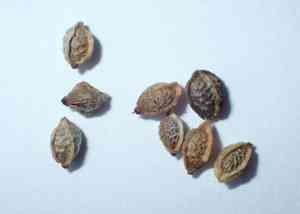
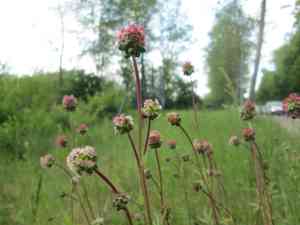
Quickly Identify Salad burnet
1
Poterium sanguisorba can be identified by its pinnate leaves with serrated edges, distinctive cylindrical flower heads, and dark red to purple flowers. Its stems are erect and can reach up to 1 meter in height.
Scientific Classification of Salad burnet
Phylum
Vascular plants
Class
Dicotyledons
Order
Rosales
Family
Rose
Genus
Burnets
Species
Salad burnet
Planting and Growing of Salad burnet
Care Difficulty
Easy
Watering Schedule
Every 4 days
Sunlight Requirements
Full sun
Sunshine Duration
6-12 hours
Ideal Temperature
59-77℉
Soil Type
Potting Mix, Peat Mix
Soil pH
6.5-7.5
Fertilizer Type
Balanced
Pruning Season
Spring, Summer
Pruning Area
Branches, Leaves
Pruning Frequency
Once a year
Repotting Season
Spring
Pot Type
Plastic, Ceramic
 How to Water Salad burnet?
When watering Poterium sanguisorba, it is important to thoroughly soak the soil without leaving it waterlogged. This means applying around 250 ml of water per session, which allows moisture to reach the deep roots without drowning them. Always make sure excess water can drain away from the base, preventing root rot.
What are the symptoms of an underwatered Salad burnet?
›
What should I do if my Salad burnet is not getting enough water?
›
What are the symptoms of an overwatered Salad burnet?
›
How to save an overwatered Salad burnet?
›
 What Are the Sunlight Requirements for Salad burnet?
Partial to full sun conditions are ideal for Poterium sanguisorba. Ample light availability ensures vibrant foliage and proficient flowering, boosting the plant's aesthetic appeal and ecological interactions by attracting pollinators.
More About Sunlight Requirements Techniques→
What is the ideal location for planting?
›
How can I ensure optimal light exposure indoors?
›
What are the benefits of obtaining ideal lighting for Poterium sanguisorba?
›
 What Is the Ideal Temperature Range for Salad burnet?
Poterium sanguisorba thrives best within a temperature range of 59°F to 77°F. This range ensures that the plant receives the necessary warmth for photosynthesis to occur efficiently without causing stress. In such an environment, the plant can achieve vigorous growth and maintain healthy foliage.
 What Soil is Best for Salad burnet?
Poterium sanguisorba thrives in free-draining soil as it prevents root rot and encourages healthy growth. The aeration that loam and sandy loam provide facilitates the plant's roots to breathe efficiently, leading to vigorous and lush development. A nutrient-rich soil supports the robust growth of Poterium sanguisorba. Loamy soil with a good balance of organic matter enhances the availability of essential nutrients, promoting optimized plant health and resistance to diseases. Soils with a moderate moisture retention capability, like loam, are ideal for Poterium sanguisorba. This balance ensures the plant receives ample water without the risk of water-logged conditions that can lead to root issues.
 How to Fertilize Salad burnet?
Poterium sanguisorba, commonly known as salad burnet, benefits from a balanced application of fertilizer. Typically, use a 10-10-10 NPK ratio for both liquid and solid fertilizers. For liquid fertilizer, dilute it to half strength to avoid burning the plant, and apply roughly one cup around the base. For slow-release fertilizers, sprinkle a tablespoon per square foot around the plant, ensuring it is evenly distributed.
 How to Prune Salad burnet?
Begin by identifying and removing any dead or damaged stems. This clears the path for vigorous new growth and helps maintain the plant’s shape. Gently trim the outer growth to shape the plant, encouraging a bushy and compact form. Focus on pruning shoots that disrupt the desired outline. Carefully thin out crowded interior stems to enhance airflow within the plant, which helps prevent fungal diseases and encourages healthy growth.
More About Pruning Techniques→
 How to Propagate Salad burnet plant?
1
Collect seeds from mature Poterium sanguisorba plants. Clean them thoroughly and soak them in water for 24 hours to enhance germination rates.
2
Select healthy, non-flowering stems for cuttings. Ensure each cutting is about 10-15 cm long, and remove any leaves from the bottom half before planting.
3
Carefully dig up the plant and gently separate the root clumps. Ensure that each division has a healthy root system before planting in well-drained soil.
 How to Repot Salad burnet plant?
1
Knowing when to repot Poterium sanguisorba is essential for its health. Look for signs like roots growing out of the drainage holes, soil drying out quickly after watering, or a general decline in plant vigor. These are indicators that the plant has outgrown its current container and needs more space.
2
Select a pot that is one size larger than the current one, with excellent drainage. A pot with drainage holes prevents waterlogging, ensuring the plant's roots have the air circulation needed to thrive. The material of the pot can be terracotta, which allows for natural moisture evaporation, or plastic, which retains moisture better.
3
For optimal growth, use well-drained, loamy soil rich in organic matter. This type of soil provides the right balance of drainage and nutrient retention. It helps prevent root rot and allows the roots to expand freely, promoting healthier growth and abundant flowering.
Learn More About Salad burnet Diseases
Anthracnose
Bacterial Leaf Spot
Bacterial Wilt
Crown Gall
Cyst Nematode
Damping-off
Downy Mildew
Drought Stress
Fusarium Wilt
Gray Mold
Leaf Spot
Mosaic
Nutrient Deficiency
Nutrient Toxicity
Powdery Mildew
Root Rot
Root-knot Nematode
Rusts
Sooty Mold
Spider Mites
Temperature Stress
Thrips Damage
White Mold



