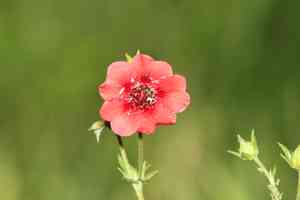
Scarlet cinquefoil (Potentilla thurberi)
Also known as: Cinquefoil, Thurber's cinquefoil, Scarlet cinquefoil
Rhododendrons are often seen thriving in conifer forests and are also favored in gardens. They are cherished for their vibrant blooms and extended flowering period, which typically spans the entire summer. Their robust nature makes them an excellent choice for novice gardeners.
In This Article
Attributes of Scarlet cinquefoil
Lifespan
Perennial
Plant Type
Herb, Shrub
Plant Height
40 cm
Spread
40 cm
Leaf Color
Dark green
Flower Size
1-2 inches
Flower Color
Red, Scarlet
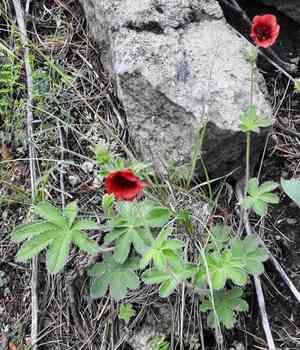
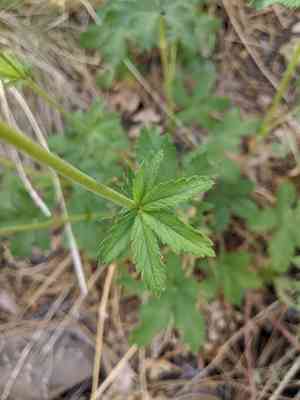
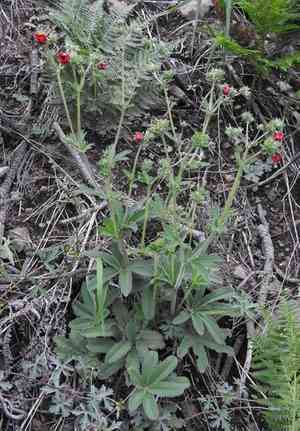
Images of Scarlet cinquefoil
Quickly Identify Scarlet cinquefoil
1
Identify Potentilla thurberi by its bright red five-petaled flowers and its pinnately compound, dark green leaves with serrated edges. The plant also tends to form clumps, typically growing 1 to 2 feet tall.
Scientific Classification of Scarlet cinquefoil
Phylum
Vascular plants
Class
Dicotyledons
Order
Rosales
Family
Rose
Genus
Cinquefoils
Species
Scarlet cinquefoil
Planting and Growing of Scarlet cinquefoil
Care Difficulty
Easy
Watering Schedule
Every 3 days
Sunlight Requirements
Full sun
Sunshine Duration
6-12 hours
Ideal Temperature
60-75℉
Soil Type
Potting Mix, Peat Mix
Soil pH
6.5-7.5
Fertilizer Type
Balanced
Pruning Season
Spring, Summer
Pruning Area
Branches, Leaves
Pruning Frequency
2 times a year
Repotting Season
Spring
Pot Type
Plastic, Ceramic
 How to Water Scarlet cinquefoil?
Potentilla thurberi prefers to have its soil consistently moist but not waterlogged. You should aim to provide around 250 ml of water per session, ensuring that the water reaches the deepest roots comfortably but doesn't leave the soil soggy. Water until you see moisture starting to drain from the bottom of the pot, then halt.
What are the symptoms of an underwatered Scarlet cinquefoil?
›
What should I do if my Scarlet cinquefoil is not getting enough water?
›
What are the symptoms of an overwatered Scarlet cinquefoil?
›
How to save an overwatered Scarlet cinquefoil?
›
 What Are the Sunlight Requirements for Scarlet cinquefoil?
Partial to full sun provides excellent conditions for Potentilla thurberi, boosting photosynthesis and promoting flower production.
What is the ideal light requirement for Potentilla thurberi?
›
How can I ensure Potentilla thurberi receives adequate sunlight?
›
What are the benefits of Potentilla thurberi receiving optimal sunlight?
›
 What Is the Ideal Temperature Range for Scarlet cinquefoil?
The ideal temperature range for Potentilla thurberi is between 60°F to 75°F. This range facilitates optimal photosynthesis and metabolic activities, ensuring healthy growth and flowering. Within this range, the plant can efficiently absorb nutrients and water, promoting vigorous foliage and blossom.
 What Soil is Best for Scarlet cinquefoil?
Potentilla thurberi thrives in soil that offers excellent drainage. Ensuring the soil isn't waterlogged is crucial as it prevents root rot and allows roots to breathe, promoting healthier growth. While not overly demanding, Potentilla thurberi benefits from moderately fertile soil. This ensures it has access to the nutrients needed for vibrant foliage and prolific blooms without the risk of nutrient burn. This plant prefers soil within a pH range of 6.5 to 7.5, supporting its nutrient uptake and overall health. A balanced pH level helps prevent deficiencies and ensures robust growth.
 How to Fertilize Scarlet cinquefoil?
Potentilla thurberi benefits from a balanced approach to fertilization. Apply liquid fertilizer with a N-P-K ratio of 10-10-10 diluted to half strength. Use approximately 1 gallon per square foot during each application to foster healthy growth.
 How to Prune Scarlet cinquefoil?
Inspect the plant to locate any dead, damaged, or diseased stems. Removing these first allows the plant to focus its energy on healthy growth and new blooms. When trimming, make cuts just above a leaf node or bud. This encourages new shoots to develop from the node, resulting in a fuller and more vibrant plant. Gradually trim the outer stems to create a uniform, rounded shape. This enhances air circulation and light penetration, essential for the plant’s health and aesthetics.
More About Pruning Techniques→
 How to Propagate Scarlet cinquefoil plant?
1
To ensure successful propagation, choose healthy, disease-free Potentilla thurberi plants as the source for seeds, cuttings, or divisions. This will help in achieving higher propagation success.
2
Ensure the soil or potting medium is loose, well-draining, and slightly acidic to neutral. This environment supports root formation and growth, crucial for all types of propagation.
3
Keep the soil consistently moist but not soggy. Consistent moisture supports seed germination and encourages newly planted cuttings or divisions to establish themselves.
 How to Repot Scarlet cinquefoil plant?
1
Look for signs such as roots circling the bottom of the pot, slowed growth despite adequate care, or water sitting on the surface. These indicate it's time to repot Potentilla thurberi. Ideally, do this in spring or autumn when the plant is not in a dormant state.
2
Select a pot that is one size larger than the current one. It should have drainage holes to prevent water from sitting at the bottom and causing root rot. The material can be clay or plastic, depending on climate conditions; clay is breathable but can dry out faster, while plastic retains moisture better.
3
Use well-draining loamy soil to encourage root development and prevent waterlogging. Mixing it with perlite or sand can enhance drainage. This type of soil allows for the right balance between moisture retention and aeration, providing a hospitable environment for Potentilla thurberi's roots.
Learn More About Scarlet cinquefoil Diseases
Anthracnose
Bacterial Leaf Spot
Black Spot
Chemical Injury
Crown Gall
Damping-off
Downy Mildew
Drought Stress
Fusarium Wilt
Gray Mold
Leaf Curl
Leaf Spot
Mosaic
Nutrient Deficiency
Nutrient Toxicity
Powdery Mildew
Root Rot
Root-knot Nematode
Rusts
Sooty Mold
Spider Mites
Temperature Stress
Thrips Damage
White Mold



