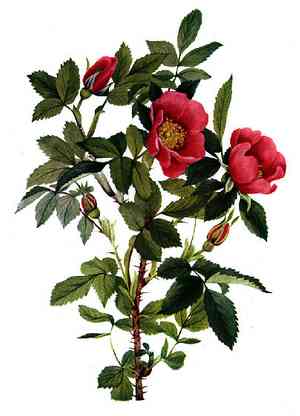
Brook cinquefoil (Potentilla rivalis)
Also known as: Brook Cinquefoil, Riverbank Cinquefoil
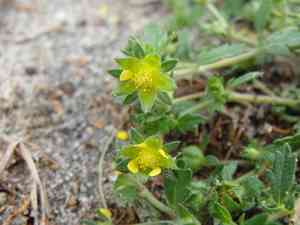
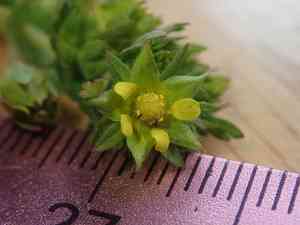
Brook cinquefoil is a plant known for its vibrant lemon-yellow flowers. It prospers in damp areas such as wetlands, stream edges, and moist meadows. The plant's habitat preferences are evident in its common and scientific names. Additionally, brook cinquefoil is attractive to caterpillars and butterflies.
In This Article
Attributes of Brook cinquefoil
Lifespan
Annual, Biennial
Plant Type
Herb
Plant Height
20 cm to 30 cm
Spread
35 cm
Leaf Color
Green
Flower Size
5 mm
Flower Color
Yellow
Images of Brook cinquefoil
Quickly Identify Brook cinquefoil
1
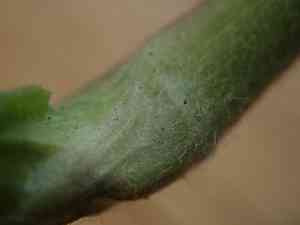
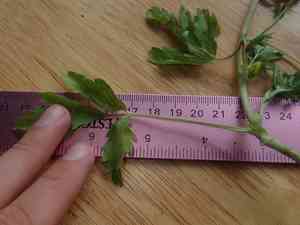
To identify Potentilla rivalis, look for its compound, palmate leaves typically with five leaflets. The flowers are small, yellow, and have five petals. The plant often has a hairy stem.
Scientific Classification of Brook cinquefoil
Phylum
Vascular plants
Class
Dicotyledons
Order
Rosales
Family
Rose
Genus
Cinquefoils
Species
Brook cinquefoil
Planting and Growing of Brook cinquefoil
Care Difficulty
Easy
Watering Schedule
Every 4 days
Sunlight Requirements
Partial sun
Sunshine Duration
4-8 hours
Ideal Temperature
65-75℉
Soil Type
Potting Mix, Peat Mix
Soil pH
6.5-7.5
Fertilizer Type
Balanced
Pruning Season
Spring, Summer
Pruning Area
Branches, Leaves
Pruning Frequency
Once a year
Repotting Season
Spring
Pot Type
Plastic, Terracotta
 How to Water Brook cinquefoil?
When watering Potentilla rivalis, ensure that the soil is evenly moist but not waterlogged. The plant prefers a consistent moisture level, keeping the soil slightly damp. Avoid dry spells, yet ensure good drainage to prevent flooding.
What are the symptoms of an underwatered Brook cinquefoil?
›
What should I do if my Brook cinquefoil is not getting enough water?
›
What are the symptoms of an overwatered Brook cinquefoil?
›
How to save an overwatered Brook cinquefoil?
›
 What Are the Sunlight Requirements for Brook cinquefoil?
Requires partial to full sun exposure. Receiving the right amount of sunlight improves growth rates and flowering duration.
What kind of light does Potentilla rivalis prefer?
›
How can you achieve the ideal lighting for Potentilla rivalis?
›
What are the benefits of meeting its ideal lighting requirements?
›
 What Is the Ideal Temperature Range for Brook cinquefoil?
The ideal temperature range for Potentilla rivalis is between 65°F and 75°F. This range provides a balanced environment that supports the plant's physiological processes, ensuring optimal growth and health. Within this range, photosynthesis and respiration occur efficiently, which contributes to robust plant structure and vibrant blooms.
 What Soil is Best for Brook cinquefoil?
Potentilla rivalis thrives in well-drained soils, which prevent waterlogging and root rot. Ensuring proper drainage is crucial for the plant's health and longevity, as it helps maintain the right moisture levels without suffocating the roots. While Potentilla rivalis isn't particularly demanding, it does benefit from soils with moderate nutrient content. A balanced nutrient supply supports its growth and flowering potential, providing it with the necessary resources to flourish. The plant prefers soils that can retain some moisture without becoming overly wet. This balance helps sustain the plant during dry spells, ensuring constant growth and preventing wilting.
 How to Fertilize Brook cinquefoil?
For Potentilla rivalis, applying fertilizer should be done thoughtfully, considering the plant's moderate nutrient needs. A dilute solution of a balanced 10-10-10 liquid fertilizer at a rate of 1/4 teaspoon per gallon is ideal. This minimal amount ensures the plant receives adequate nutrients without risking over-fertilization, which can be detrimental to its health.
 How to Prune Brook cinquefoil?
Start by using clean, sharp pruning shears to cut back any dead or diseased stems. Trim back any overgrown branches to maintain a compact shape, being careful to make cuts just above a node or bud to encourage new growth. Remove any inward-growing branches to ensure open growth and better air circulation.
More About Pruning Techniques→
 How to Propagate Brook cinquefoil plant?
1
Start by preparing a well-draining soil mix. A mix of peat, perlite, and sand works well. Fill your seed tray or pots with this soil mix, leaving enough space for water and air circulation, which is crucial for seed germination and cutting establishment.
2
Scatter the seeds thinly across the surface of the soil in your prepared seed tray. Lightly cover them with a thin layer of soil. Water gently to ensure soil contact with the seeds while avoiding washing them away. Maintain consistent moisture until germination.
3
For cutting propagation, use clean pruning shears to take a 4-6 inch cutting from a healthy stem. Remove any flowers or buds to direct energy into root development. Dip the cut end in rooting hormone to encourage root growth before planting in moist soil.
 How to Repot Brook cinquefoil plant?
1
Potentilla rivalis should be repotted when you notice its roots beginning to outgrow their current container. This usually happens when the roots start circling the pot or when water takes too long to drain. Early spring to summer is ideal, as the plant will be in its growing phase and better able to handle the transition.
2
Select a pot that is approximately one to two inches larger in diameter than the current one. It should have ample drainage holes to prevent waterlogging, which can cause root rot. Terra cotta or clay pots are excellent for this purpose as they allow for good air penetration and moisture control, promoting healthier root development.
3
Opt for well-draining, sandy loam soil. This type of soil retains enough moisture while allowing excess water to drain away, preventing root rot. A mix with a combination of sand, silt, and a little organic matter provides the ideal environment for Potentilla rivalis to thrive, promoting both drainage and nutrient retention.



