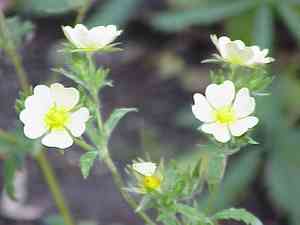
Sulphur cinquefoil (Potentilla recta)
Also known as: Rough-fruited cinquefoil
Sulphur cinquefoil (Potentilla recta) is a tufted perennial herb that originally hails from the Mediterranean region. Since its introduction in the 19th century, it has spread widely, including across North America. In many areas, it is considered invasive due to its ability to rapidly form dense ground cover. Deer contribute to the dispersion of sulphur cinquefoil by consuming the plant and excreting the undigested seeds, which facilitates the plant's spread to new locations.
In This Article
Attributes of Sulphur cinquefoil
Lifespan
Perennial
Plant Type
Herb
Plant Height
80 cm
Spread
30 cm to 45 cm
Leaf Color
Green
Flower Size
1.5 cm
Flower Color
Yellow White
Images of Sulphur cinquefoil
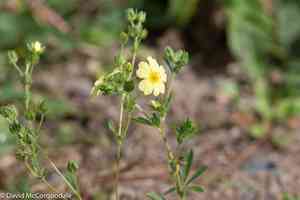
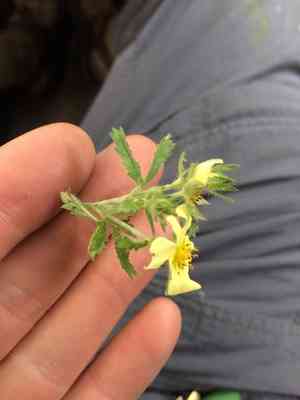

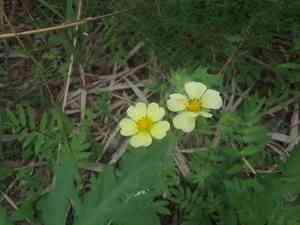
Quickly Identify Sulphur cinquefoil
1
Compound leaves with 5-7 toothed finger-like leaflets
2
Silvery undersides of leaves
3
Yellow flowers with cup-like shape, 0.75 inches (2 cm) wide
4
Robust self-seeding capability in disturbed soils
5
Stems initially hairy, becoming smoother, light green to reddish-green, 2-3 feet (60-90 cm)
Scientific Classification of Sulphur cinquefoil
Phylum
Vascular plants
Class
Dicotyledons
Order
Rosales
Family
Rose
Genus
Cinquefoils
Species
Sulphur cinquefoil
Planting and Growing of Sulphur cinquefoil
Care Difficulty
Easy
Watering Schedule
Every 2 days
Sunlight Requirements
Full sun
Sunshine Duration
6-10 hours
Ideal Temperature
60-75℉
Soil Type
Potting Mix, Peat Mix
Soil pH
6.5-7.5
Fertilizer Type
Balanced
Pruning Season
Spring, Summer
Pruning Area
Branches, Leaves
Pruning Frequency
2 times a year
Repotting Season
Spring
Pot Type
Plastic, Ceramic
 How to Water Sulphur cinquefoil?
Potentilla recta prefers a well-drained soil environment. You should water until the top 2-3 inches of soil are moist but not soggy. The goal is to maintain a consistent level of moisture without waterlogging the soil, which can lead to root rot.
What are the symptoms of an underwatered Sulphur cinquefoil?
›
What should I do if my Sulphur cinquefoil is not getting enough water?
›
What are the symptoms of an overwatered Sulphur cinquefoil?
›
How to save an overwatered Sulphur cinquefoil?
›
 What Are the Sunlight Requirements for Sulphur cinquefoil?
Potentilla recta ideally benefits from full sun exposure for 6 to 8 hours daily. This enables full growth potential, dense foliage, and abundant flowering.
What kind of light does Potentilla recta prefer?
›
How can you achieve ideal conditions for this plant?
›
What benefits does ideal lighting offer this plant?
›
 What Is the Ideal Temperature Range for Sulphur cinquefoil?
The ideal temperature range for Potentilla recta is between 60°F and 75°F. This range provides optimal conditions for photosynthesis, nutrient absorption, and overall plant health. Maintaining these temperatures will ensure the plant's energy resources are directed towards growth and reproduction rather than survival.
 What Soil is Best for Sulphur cinquefoil?
Potentilla recta thrives in well-drained soils, preventing waterlogging which can lead to root rot. This requirement ensures healthy root systems capable of supporting robust plant growth. A moderately fertile soil enriched with organic matter promotes vigorous growth. The addition of compost or well-rotted manure can provide essential nutrients that enhance flowering and foliage quality. This plant benefits from warm soils that absorb sunlight efficiently. Such conditions stimulate metabolic processes, leading to improved vigor and flowering intensity.
 How to Fertilize Sulphur cinquefoil?
For Potentilla recta, the amount of fertilizer largely depends on its growth stage and soil conditions. Typically, a diluted liquid fertilizer should be applied at half the recommended strength to prevent nutrient burn, while slow-release granules should be distributed according to the package instructions but generally not exceeding 1 tablespoon per square foot.
 How to Prune Sulphur cinquefoil?
To prolong blooming, regularly remove spent flowers by pinching them off with your fingers or using scissors. This encourages the plant to produce more blooms instead of focusing energy on seed production. To maintain a neat appearance, trim back any long or unruly stems during the growing season. This is best done in spring or early summer, ensuring the plant retains its compact form. At the end of the flowering season, cut back the entire plant to about a third of its height. This helps to remove any diseased or dead material and prepares the plant for the winter months.
 How to Propagate Sulphur cinquefoil plant?
1
Fill a seed tray with a light potting mix, plant the seeds at a shallow depth, and water gently. The seeds require a temperature of around 65-75°F to germinate. Maintain consistent moisture and light.
2
Select a healthy stem from the parent plant and use sterilized pruning shears to cut a 4-6 inch section. Remove the lower leaves, dip the cut end in rooting hormone, and plant it in a potting mix.
3
Lift the mature plant from the soil during early spring and divide the root clump into smaller sections, ensuring each division has a healthy shoot and root system. Replant immediately to reduce stress.
 How to Repot Sulphur cinquefoil plant?
1
Repotting Potentilla recta is best determined by careful observation of the plant's roots and growth pattern. If you notice roots growing out of the drainage holes or the plant seems to be outgrowing its pot, it's time to consider repotting. Additionally, if the growth appears stunted or the soil depletes nutrients quickly, these are clear signs that repotting is needed.
2
Selecting the right pot for Potentilla recta is crucial for its healthy growth. Opt for a pot that is 1-2 inches larger than the current pot to provide ample room for root expansion. The material of the pot should allow for good drainage and aeration; terracotta or ceramic pots are excellent choices. This ensures that excess moisture can escape and prevents root rot.
3
The choice of soil can make a significant difference in the health of Potentilla recta. A well-drained loamy soil enriched with organic matter is ideal. This type of soil holds moisture while permitting free drainage, providing both the stability and hydration the plant roots require. Opt for a blend that includes peat, compost, and small rocks to enhance drainage.
Learn More About Sulphur cinquefoil Diseases
Anthracnose
Bacterial Leaf Spot
Black Spot
Chemical Injury
Crown Gall
Damping-off
Downy Mildew
Drought Stress
Fusarium Wilt
Gray Mold
Leaf Curl
Leaf Spot
Mosaic
Nutrient Deficiency
Nutrient Toxicity
Powdery Mildew
Root Rot
Root-knot Nematode
Rusts
Sooty Mold
Spider Mites
Temperature Stress
Thrips Damage
White Mold



