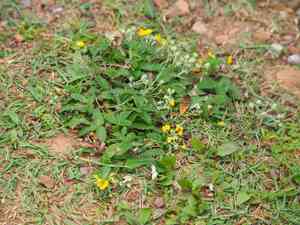
Potentilla discolor (Potentilla discolor)
Also known as: Discolor Cinquefoil, Yellow-leaved Cinquefoil
Potentilla discolor is characterized by its unique two-toned foliage, displaying a mix of silver and green hues. This hardy perennial prefers sunny locations and develops robust root systems to thrive in well-drained, sandy or loamy soils. During the summer, it produces simple yet vibrant yellow flowers, which attract various pollinators essential for its reproduction. The plant adapts well to slightly acidic to neutral soil conditions and is commonly found in grasslands, hillsides, and forest edges.
In This Article
Attributes of Potentilla discolor
Lifespan
Perennial
Plant Type
Herb
Plant Height
10 cm to 45 cm
Spread
N/A
Leaf Color
Green
Flower Size
1 cm to 2 cm
Flower Color
Yellow
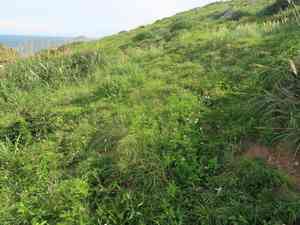
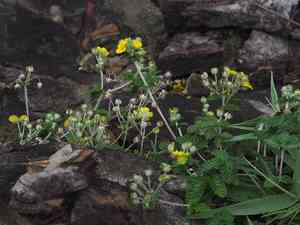
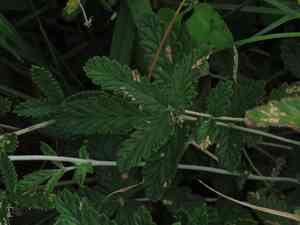
Images of Potentilla discolor
Quickly Identify Potentilla discolor
1
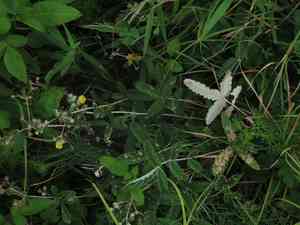
To identify Potentilla discolor, look for its trifoliate leaves that are green on the upper side and whitish on the underside, along with its small yellow five-petaled flowers. It usually grows in clusters near the ground.
Scientific Classification of Potentilla discolor
Phylum
Vascular plants
Class
Dicotyledons
Order
Roses, elms, figs, and allies
Family
Rose
Genus
Cinquefoils
Species
Potentilla discolor
Planting and Growing of Potentilla discolor
Care Difficulty
Easy
Watering Schedule
Every 2 days
Sunlight Requirements
Full sun
Sunshine Duration
4-8 hours
Ideal Temperature
59-77℉
Soil Type
Potting Mix, Peat Mix
Soil pH
6.5-7.5
Fertilizer Type
Balanced
Pruning Season
Spring, Summer
Pruning Area
Branches, Leaves
Pruning Frequency
Once a year
Repotting Season
Spring
Pot Type
Plastic, Ceramic
 How to Water Potentilla discolor?
When watering Potentilla discolor, ensure the soil is evenly moist but not waterlogged. Pour approximately 500ml slowly and ensure excess water drains out of the bottom of the pot. This plant thrives when minor drought stress is applied, so allow the top inch of soil to dry out between waterings.
What are the symptoms of an underwatered Potentilla discolor?
›
What should I do if my Potentilla discolor is not getting enough water?
›
What are the symptoms of an overwatered Potentilla discolor?
›
How to save an overwatered Potentilla discolor?
›
 What Are the Sunlight Requirements for Potentilla discolor?
Potentilla discolor ideally thrives with 4 to 8 hours of sunlight daily. This balanced exposure enhances growth, encourages blooming, and helps maintain robust health.
How to Achieve Ideal Light?
›
Why Does This Plant Need Such Lighting?
›
What Are Some Solutions for Optimal Light?
›
 What Is the Ideal Temperature Range for Potentilla discolor?
For Potentilla discolor, the ideal temperature range ensures optimum growth and health. It is generally between 59°F and 77°F. Within this range, the plant efficiently carries out physiological processes such as photosynthesis and respiration, without the stress of excessive heat or cold.
 What Soil is Best for Potentilla discolor?
Potentilla discolor thrives in well-draining soils as they prevent root rot by allowing excess water to escape quickly. This promotes healthy root growth and overall plant vitality, avoiding water-logged conditions. Moderately fertile soil is ideal for Potentilla discolor, as it ensures the plant receives adequate nutrients without the risk of nutrient burn or lush foliage growth at the expense of flowering. A soil pH ranging from 6.5 to 7.5 is perfect for Potentilla discolor. It allows optimal nutrient uptake, ensuring the plant can access and absorb the nutrients critical for growth and development.
 How to Fertilize Potentilla discolor?
For Potentilla discolor, modest amounts of fertilizer are recommended to avoid overloading with nutrients. Apply a balanced liquid fertilizer diluted to half the strength, using about 200 ml per plant per session.
 How to Prune Potentilla discolor?
Start by examining the plant for dead or diseased branches, which should be removed promptly to maintain plant health. Use sharp, clean shears to make clean cuts just above a leaf node or knot. Shape the plant according to its natural growth pattern by trimming back any overgrown or awkward branches. Aim to maintain an open center to allow air and light to penetrate the plant.
More About Pruning Techniques→
 How to Propagate Potentilla discolor plant?
1
Start by collecting seeds from a mature Potentilla discolor plant. Sow the seeds in a shallow tray filled with potting mix, ensuring they are lightly covered with soil. Maintain consistent moisture by misting the soil regularly.
2
Choose healthy stems from the parent plant, preferably those that are not flowering. Cut below a node and remove any lower leaves. Dip the end in rooting hormone and place it in prepared potting mix.
3
Gently lift a mature plant from the ground and separate it into smaller clumps. Each clump should have a good root system. Replant each division in a prepared bed or a pot with fresh potting mix.
 How to Repot Potentilla discolor plant?
1
Potentilla discolor typically needs repotting when its roots become confined, often visible growing through the drainage holes or when growth has slowed. You'll notice when it requires more space by its lackluster blooming and faded leaves, signaling it's time to move to a roomier pot.
2
Opt for a container that's one to two inches larger in diameter than the current pot. Ensure it has several drainage holes to prevent waterlogging, which can harm the roots. A slightly larger pot promotes healthy root growth and prevents the plant from becoming pot-bound too quickly.
3
Choose a well-draining loamy mix with ample nutrients and aeration. This soil type ensures that excess water drains away, reducing the risk of root rot while maintaining moisture, supplying ample nutrients for vigorous growth and blooming.
Learn More About Potentilla discolor Diseases
Anthracnose
Bacterial Leaf Spot
Black Spot
Chemical Injury
Crown Gall
Damping-off
Downy Mildew
Drought Stress
Fusarium Wilt
Gray Mold
Leaf Curl
Leaf Spot
Mosaic
Nutrient Deficiency
Nutrient Toxicity
Powdery Mildew
Root Rot
Root-knot Nematode
Rusts
Sooty Mold
Spider Mites
Temperature Stress
Thrips Damage
White Mold



