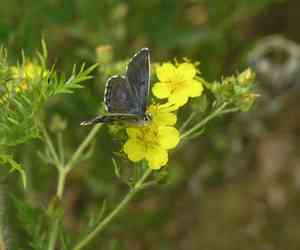
Potentilla chinensis(Potentilla chinensis)

Potentilla chinensis (Potentilla chinensis)

Also known as: Chinese Cinquefoil, Five-Finger Grass

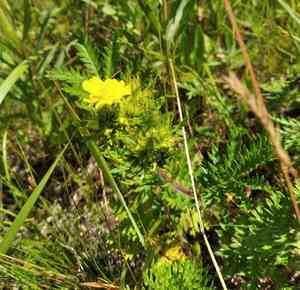
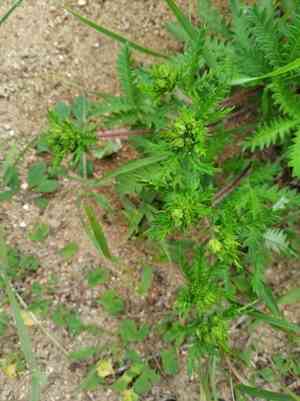
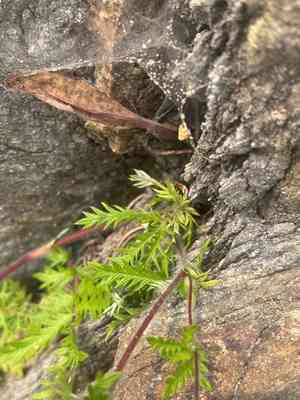
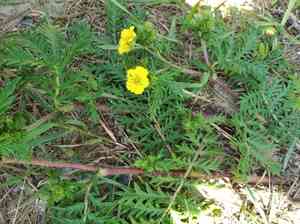
Potentilla chinensis is a perennial herb known for its bright yellow flowers with five distinct petals. The plant has pinnate leaves composed of 5-7 serrated leaflets, giving it a characteristic, intricate appearance. It typically grows to a height of 20-60 cm and blooms from late spring to early summer.

This species thrives in well-drained soils and can be found in grasslands and near streams. Its deep root system provides excellent drought resistance, while its low-growing, spreading nature allows it to form an effective ground cover, competing well for space and resources. It prefers full sun to partial shade and adapts well to moderately fertile, sandy, or loamy soils.

Attributes of Potentilla chinensis

Lifespan
Perennial
Plant Type
Herb
Plant Height
20 cm to 70 cm
Spread
30-60 cm
Leaf Color
Green
Flower Size
8 mm to 1.3 cm
Flower Color
Yellow

ForwardPlant - Identify plants with a snap

Identify and diagnose plants, get toxicity alerts, and explore safety guides for all types of fungi.

Try for Free

Images of Potentilla chinensis

Potentilla chinensis(Potentilla chinensis)

Quickly Identify Potentilla chinensis

1
Identify Potentilla chinensis by its bright yellow, five-petaled flowers and its palmately divided leaves that resemble a human hand. It typically grows in clumps and can be found in meadows, wetlands, and along forest edges.

Scientific Classification of Potentilla chinensis

Phylum
Vascular plants
Class
Dicotyledons
Order
Roses, elms, figs, and allies
Family
Rose
Genus
Cinquefoils
Species
Potentilla chinensis

Planting and Growing of Potentilla chinensis

Care Difficulty
Easy
Watering Schedule
Every 3 days
Sunlight Requirements
Full sun
Sunshine Duration
4-6 hours
Ideal Temperature
65-75℉
Soil Type
Potting Mix, Peat Mix
Soil pH
6.5-7.5
Fertilizer Type
Balanced
Pruning Season
Spring, Summer
Pruning Area
Branches, Leaves
Pruning Frequency
2 times a year
Repotting Season
Spring
Pot Type
Plastic, Ceramic

water icon How to Water Potentilla chinensis?

Potentilla chinensis requires a delicate balance in watering. Ensure the soil is moist but not soggy. A good rule of thumb is to water the plant until you see water draining from the bottom of the pot, approximately 250 ml per session, ensuring uniform moisture throughout the soil without making it waterlogged.
What are the symptoms of an underwatered Potentilla chinensis?
What should I do if my Potentilla chinensis is not getting enough water?
What are the symptoms of an overwatered Potentilla chinensis?
How to save an overwatered Potentilla chinensis?

sunlight icon What Are the Sunlight Requirements for Potentilla chinensis?

Sunlight Requirements: Full sun, Partial sun
Duration of light: 6-8 hours daily
Potentilla chinensis prefers full to partial sun conditions. This range promotes robust blooming and healthy, lush foliage, enhancing the plant's growth potential.
Best Light Intensity
Correct Placement
Light Adjustment Solutions

temperature icon What Is the Ideal Temperature Range for Potentilla chinensis?

Ideal Temperature: 65 ~ 75℉
The ideal temperature range for Potentilla chinensis is between 65°F and 75°F. This range allows for optimal growth and health, ensuring that the plant can carry out vital processes such as photosynthesis and respiration without stress. During this temperature range, the plant is likely to thrive, produce vibrant flowers, and maintain lush foliage.

soil icon What Soil is Best for Potentilla chinensis?

Soil type: Loam, Sandy loam
Soil PH: 6.5 ~ 7.5
Potentilla chinensis thrives best in well-draining soil because it prevents waterlogging, reducing the risk of root rot. This characteristic is crucial for maintaining root health and promoting vigorous plant growth. The plant requires soil rich in organic matter. The presence of natural compost or decomposed material provides essential nutrients, supporting lush foliage and an abundant flowering season. While the soil should drain well, it must also retain some moisture to sustain the plant between watering sessions, ensuring it remains hydrated without being oversaturated.

fertilize icon How to Fertilize Potentilla chinensis?

Fertilizer type: Balanced
For Potentilla chinensis, use a balanced 10-10-10 or 20-20-20 fertilizer. For liquid fertilizers, dilute to half the recommended strength per gallon of water. Use 1 tablespoon of slow-release granular fertilizer per square foot of soil surface.

prune icon How to Prune Potentilla chinensis?

Pruning Time: Spring, Summer, Autumn
Start by selecting clean and sharp pruning shears to make precise cuts without damaging the plant. Dull tools can tear the plant tissue, which may lead to infection or pest issues. Focus on removing dead, diseased, or damaged branches first. After that, proceed to any branches that are crossing or rubbing against each other, as these can cause wounds that invite disease. Make your cuts at a 45-degree angle, just above a bud that faces away from the center of the plant. This angle helps water runoff, preventing rot, and encourages growth outward, maintaining a bushy shape. More About Pruning Techniques

propagate icon How to Propagate Potentilla chinensis plant?

Propagate Time: Spring, Early summer
1
Ensure the soil is well-drained and rich in organic material. This provides a supportive environment for new growth and helps prevent root rot.
2
Sow seeds evenly in seed trays, covering them lightly with soil. Water gently to avoid displacing seeds and ensure the soil remains moist but not waterlogged.
3
Select healthy, non-flowering stems and cut just below a node. Remove lower leaves and plant the cuttings in soil or a growing medium specifically designed for cuttings.
More About Propagating Techniques

repot icon How to Repot Potentilla chinensis plant?

Repotting frequency: Every 1-2 years
1
Potentilla chinensis shows signs like slowed growth, roots circling the pot, and frequent wilting when it needs repotting. Ideal timing for repotting is during its dormancy, found in spring or autumn, enabling the plant to establish itself without stress, promoting resilience.
2
Opt for a pot that's 2-3 inches larger in diameter than the current one for Potentilla chinensis. Ensure it has good drainage holes to prevent waterlogging. Larger space allows the roots to grow and spread, providing better support and improved nutrient uptake.
3
Utilize well-draining, loamy soil to ensure proper aeration and moisture retention. Such soil prevents root rot by allowing excess water to escape, maintaining just the right balance between retaining essentials and draining away excess.

ForwardPlant - Identify plants with a snap

Find the best spots for them to optimize their health, simply using your phone.

Try for Free