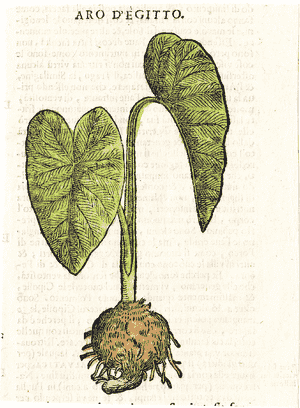
Long-leaf pondweed (Potamogeton nodosus)
Also known as: American pondweed
Long-leaf pondweed is an aquatic perennial plant commonly found in ponds, lakes, and slow-moving streams worldwide. This plant features long leaves, typically ranging from 9 to 20 cm, which offer shade and habitat for fish and other aquatic organisms. It thrives in nutrient-rich, clear waters with soft, muddy bottoms.
In This Article
Attributes of Long-leaf pondweed
Lifespan
Perennial
Plant Type
Herb
Plant Height
1 m
Spread
Not applicable, as the plant does not form a crown
Leaf Color
Green
Flower Size
3.5 mm
Flower Color
Yellow Green Red Brown
Images of Long-leaf pondweed
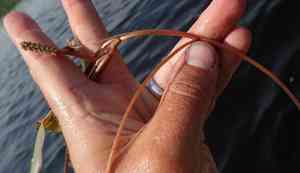
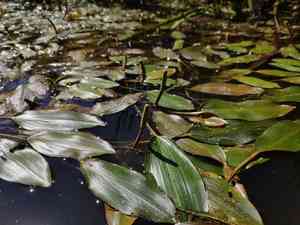
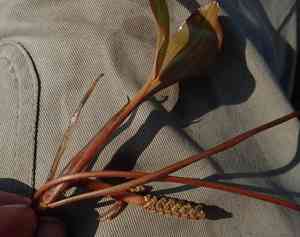
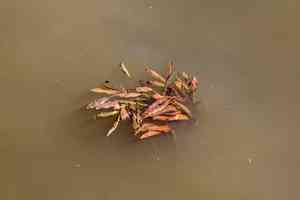
Quickly Identify Long-leaf pondweed
1
Identifying Potamogeton nodosus involves looking for submerged and floating leaves. The submerged leaves are long and narrow, while the floating leaves are broader and have a notched base. The plant also produces cylindrical flower spikes that emerge above the water surface.
Scientific Classification of Long-leaf pondweed
Phylum
Vascular plants
Class
Monocotyledons
Order
Alismatales
Family
Pondweed
Genus
pondweeds
Species
Long-leaf pondweed
Planting and Growing of Long-leaf pondweed
Care Difficulty
Easy
Watering Schedule
Every 2 days
Sunlight Requirements
Partial sun
Sunshine Duration
4-6 hours
Ideal Temperature
70-85℉
Soil Type
Potting Mix, Peat Mix
Soil pH
6.5-7.5
Fertilizer Type
Balanced
Pruning Season
Spring, Summer
Pruning Area
Branches, Leaves
Pruning Frequency
2 times a year
Repotting Season
Spring
Pot Type
Plastic, Ceramic
 How to Water Long-leaf pondweed?
For Potamogeton nodosus, water it until the soil feels moist but not waterlogged. Aim for about 500 ml per session, ensuring that excess water can drain freely to prevent water accumulation around the roots.
What are the symptoms of an underwatered Long-leaf pondweed?
›
What should I do if my Long-leaf pondweed is not getting enough water?
›
What are the symptoms of an overwatered Long-leaf pondweed?
›
How to save an overwatered Long-leaf pondweed?
›
 What Are the Sunlight Requirements for Long-leaf pondweed?
Potamogeton nodosus thrives best under partial sun conditions, receiving 3 to 6 hours of indirect or filtered light daily. This balance promotes healthy growth and ecological contributions like oxygenation and habitat provision for aquatic life.
More About Sunlight Requirements Techniques→
What is the ideal lighting condition for Potamogeton nodosus?
›
How to achieve this ideal lighting environment?
›
What benefits does ideal lighting offer?
›
 What Is the Ideal Temperature Range for Long-leaf pondweed?
Potamogeton nodosus, a common aquatic plant, thrives best at temperatures ranging from 70°F to 85°F. This temperature range facilitates optimal photosynthesis and growth. Ensuring the plant is kept within this range can lead to healthy, vibrant foliage and robust root systems. This range is warm enough to support the metabolic processes essential for growth without causing the stress that comes with excessive heat.
 What Soil is Best for Long-leaf pondweed?
Potamogeton nodosus thrives in nutrient-rich soils that provide essential minerals for growth. This requirement aids in the plant's lush foliage and healthy development. The soil should retain moisture effectively to support its aquatic lifestyle. Ample water availability ensures robust leaf formation and sustained growth cycles. A layer of organic mulch or decomposed plant material enhances soil quality by adding necessary nutrients, fostering a thriving habitat for Potamogeton nodosus.
 How to Fertilize Long-leaf pondweed?
Potamogeton nodosus, also known as longleaf pondweed, thrives with a balanced nutrient input. For liquid fertilizers, apply a dilute mixture, approximately 1/4 strength of a general-purpose aquatic plant fertilizer. Slow-release fertilizers can be applied sparingly, using about 2 grams per square meter of substrate.
 How to Prune Long-leaf pondweed?
First, inspect your Potamogeton nodosus for leaves that are vibrant and healthy—deep green and without blemishes. You want to ensure that you retain these leaves while identifying those that need removal. Use a pair of sharp, clean pruning shears to make cuts on your Potamogeton nodosus. Sharp shears minimize damage to the plant and help you make precise cuts, which is critical for preventing disease spread. Trim back any overgrown or leggy stems to maintain the plant's compact form. Cut just above a leaf node to encourage new, bushier growth, ensuring the plant doesn’t become spindly. Carefully remove any brown, yellowing, or dead leaves. This not only enhances the plant's aesthetic appeal but also allows it to allocate energy towards healthier areas.
More About Pruning Techniques→
 How to Propagate Long-leaf pondweed plant?
1
Start by collecting mature seeds from a healthy Potamogeton nodosus plant. Clean and dry them thoroughly to remove any plant residue that might impede germination, then store them in a cool, dry place until planting.
2
For cutting propagation, select a healthy stem, cut it just below a node with pruning shears, and remove the lower leaves. The cutting should be around 4-6 inches long.
3
To divide the plant, carefully dig up the plant and tease apart the rhizomes, ensuring each divided part has roots attached. Replant the divisions in suitable pots or areas in your water body.
 How to Repot Long-leaf pondweed plant?
1
Potamogeton nodosus should be repotted when you notice a significant decline in growth or when the plant becomes root-bound. Signs include roots growing out of the drainage holes or the water failing to retain its clarity. The optimal time for repotting is during its active growth period in spring or early summer.
2
Choose a pot that is slightly larger than the current one, with adequate drainage holes to prevent waterlogging. A larger pot allows room for root expansion, which helps in the healthy growth of Potamogeton nodosus. Look for sturdy, wide pots that can support aquatic growth without tipping over.
3
Select a loamy soil mix specifically designed for aquatic plants. This type of soil provides the necessary nutrients while ensuring optimal water retention and drainage, creating an ideal environment for the rhizomes and roots of Potamogeton nodosus to thrive.



