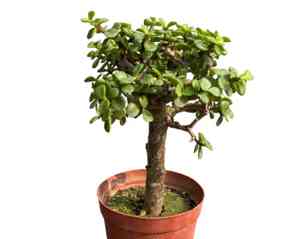
Elephant bush (Portulacaria afra)
Also known as: Rainbow bush, Spekboom
Elephant bush (*Portulacaria afra*), a succulent native to South Africa, features tiny, round green leaves and reddish-brown stems. It is drought-resistant and often used in xeriscaping and as a decorative houseplant. Popular applications include garden ornamentation, bonsai creation, and as a component in mixed succulent displays.
In This Article
Attributes of Elephant bush
Lifespan
Perennial
Plant Type
Succulent, Shrub
Plant Height
2 m to 5 m
Spread
1.2 m to 1.8 m
Leaf Color
Green
Flower Size
3 mm to 5 mm
Flower Color
Pink
Images of Elephant bush
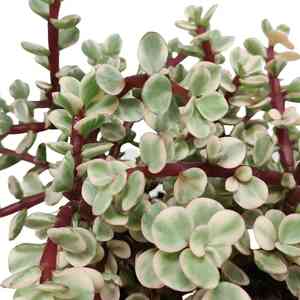
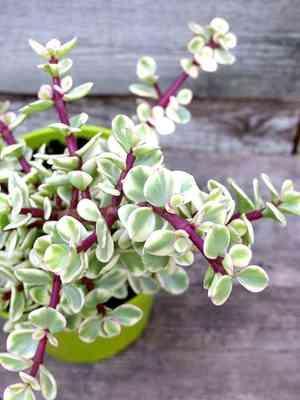
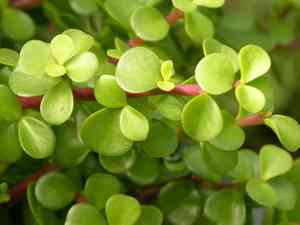
Quickly Identify Elephant bush
1
Narrow, triangular leaves with rounded edges, measuring 0.8 inches (2 cm) long.
2
Smooth, glossy leaves in vibrant green clustered densely near stem tips.
3
Robust stem, 1-2 inches (2.5-5 cm) in diameter, with brown to reddish-brown color.
4
Stem branches out in a dense, bushy pattern, providing sturdy support for growth.
5
Upright, succulent shrub reaching heights of 8-12 feet (2.4-3.7 meters), with showy lavender flowers.
Scientific Classification of Elephant bush
Phylum
Vascular plants
Class
Dicotyledons
Order
Caryophyllales
Family
Didierea
Genus
Portulacaria
Species
Elephant bush
Planting and Growing of Elephant bush
Care Difficulty
Easy
Watering Schedule
Every 2 days
Sunlight Requirements
Full sun
Sunshine Duration
6-10 hours
Ideal Temperature
65-80℉
Soil Type
Potting Mix, Peat Mix
Soil pH
6.5-7.5
Fertilizer Type
Balanced
Pruning Season
Spring, Summer
Pruning Area
Branches, Leaves
Pruning Frequency
2 times a year
Repotting Season
Spring
Pot Type
Plastic, Ceramic
 How to Water Elephant bush?
Portulacaria afra, also known as elephant bush, requires moderate watering. You should water it just enough so that the soil feels damp but not waterlogged. Aim to pour approximately 250 milliliters each time, ensuring excess water drains away.
More About Watering Techniques→
What are the symptoms of an underwatered Elephant bush?
›
What should I do if my Elephant bush is not getting enough water?
›
What are the symptoms of an overwatered Elephant bush?
›
How to save an overwatered Elephant bush?
›
 What Are the Sunlight Requirements for Elephant bush?
For optimal growth, Portulacaria afra should be placed in an area where it receives full sun to partial sun. Under these conditions, the plant will exhibit lush green foliage, sturdy stems, and an overall vigorous growth pattern due to enhanced photosynthesis.
More About Sunlight Requirements Techniques→
Optimal Sun Exposure
›
Solution for Ideal Conditions
›
Benefits of Ideal Lighting
›
 What Is the Ideal Temperature Range for Elephant bush?
The ideal temperature range for Portulacaria afra, commonly known as the Elephant Bush, is between 65 and 80°F. This succulent plant thrives in warm conditions similar to its native environment in South Africa. Ensuring that the temperature remains in this range promotes healthy growth and reduces the risk of stress on the plant.
 What Soil is Best for Elephant bush?
Portulacaria afra thrives in well-drained soils which prevent waterlogging. This condition is critical as it mimics the plant's natural habitat, ensuring roots get oxygen and do not rot, thus promoting healthy growth. This plant prefers nutrient-poor conditions, which reduces the risk of over-fertilization. Such environments encourage the plant's natural resilience and stress adaptation, leading to more robust foliage and structure. While preferring dry conditions, Portulacaria afra benefits from soils that retain moderate moisture. This helps maintain sufficient hydration without over-saturation, supporting steady, healthy growth.
More About Soil→
 How to Fertilize Elephant bush?
For Portulacaria afra, it's best to use a light hand when it comes to fertilization. Use a well-diluted liquid fertilizer at half strength. Over-fertilizing might lead to lush growth that's weak and prone to rot. A balanced 10-10-10 or 12-12-12 NPK formula works well when used sparingly.
 How to Prune Elephant bush?
To prune a Portulacaria afra, use clean, sterilized pruning shears to avoid any infections. The best time to prune is early in the morning or late in the afternoon when the sun rays are not too harsh. This will prevent stress on the plant and reduce water loss through its leaves. Be cautious of over-pruning, which can stress the plant and cause sparse growth. A gentle prune once a month is enough unless you see dead or diseased branches. This approach will ensure your plant stays healthy and lush.
 How to Propagate Elephant bush plant?
1
Choose a healthy stem from the parent plant and use clean pruning shears to cut a 4- to 6-inch section just below a node. Ensure the cut is smooth to prevent damage.
2
Remove the leaves from the lower half of the cutting and dip the cut end into rooting hormone. This preparation helps promote root growth and protects against rot.
3
Plant the treated cutting in a well-draining soil mix and water lightly. Place it in a warm spot with indirect sunlight to encourage root development and prevent leaf scorch.
 How to Repot Elephant bush plant?
1
Portulacaria afra needs repotting when its roots outgrow the pot or if its growth slows down significantly. The ideal time to repot is when you notice the plant is root-bound, which is when roots start circling the pot or poking out from drainage holes. Repot during the growing seasons of spring and summer for the best results.
2
Select a pot that is slightly larger than the current one, with ample drainage holes to prevent water from sitting at the bottom. A terracotta pot is a great choice as it allows soil to dry out more efficiently, thereby reducing the risk of overwatering—a common issue with succulents like Portulacaria afra.
3
Choose a well-draining soil mix, preferably one labeled for cacti or succulents. This type of soil prevents water retention, thus reducing the risk of root rot. You can also make your own by mixing regular potting soil with coarse sand and perlite for improved aeration and drainage.



