
Purslanes (Portulaca) (Portulaca)
Also known as: Moss Rose, Sun Plant, Eleven O'Clock, Purslane
Purslanes (Portulaca) are a group of low-lying, flowering plants belonging to the carnation family. Among these, *Portulaca oleracea*, also known as common purslane, is particularly notable for being edible. Its leaves are enjoyed as salad greens in various cultures globally. Additionally, other species of purslane are valued for their ornamental use, admired for their vibrant flowers and drought-resistant ground cover capabilities.
In This Article
Attributes of Purslanes (Portulaca)
Lifespan
Annual
Plant Height
10-30 cm
Spread
Spreading habit, can cover 30-60 cm in diameter
Leaf Color
Green
Flower Size
3-6 cm
Flower Color
Pink, Red, Yellow, White, Orange, and sometimes Bi-color
Images of Purslanes (Portulaca)
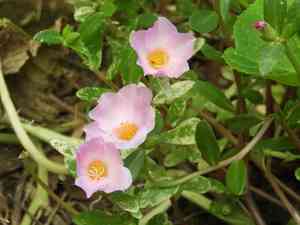
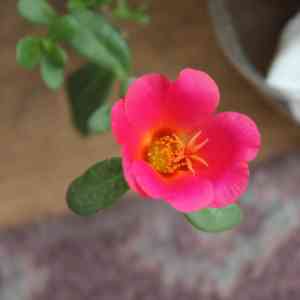
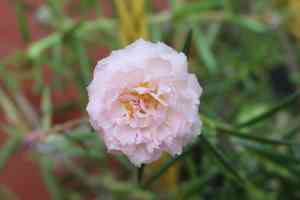
Quickly Identify Purslanes (Portulaca)
1
Portulaca can be identified by its fleshy, cylindrical leaves and vibrant, multi-colored flowers that open in the morning and close at night. The flowers are typically 2-3 cm in diameter and come in shades of pink, red, yellow, white, and orange.
Scientific Classification of Purslanes (Portulaca)
Phylum
Magnoliophyta
Class
Magnoliopsida
Order
Caryophyllales
Family
Portulacaceae
Genus
Portulaca
Planting and Growing of Purslanes (Portulaca)
Care Difficulty
Easy
Watering Schedule
Every 3 days
Sunlight Requirements
Full sun
Sunshine Duration
4-8 hours
Ideal Temperature
70-85℉
Soil Type
Potting Mix, Peat Mix
Soil pH
5.5-7.5
Fertilizer Type
Balanced
Pruning Season
Spring, Summer
Pruning Area
Branches, Leaves
Pruning Frequency
Once a year
Repotting Season
Spring
Pot Type
Plastic, Ceramic
 How to Water Purslanes (Portulaca)?
Portulaca thrives on a principle of moderation. This resilient plant prefers its soil to be just moist enough, avoiding waterlogging but preventing complete dryness. A watering session should be roughly 150 ml per time, ensuring that the soil is moistened without excess pooling of water. This balance allows the roots to access enough moisture without risking root rot, catering to the plant's drought-resistant nature.
What are the symptoms of an underwatered Purslanes (Portulaca)?
›
What should I do if my Purslanes (Portulaca) is not getting enough water?
›
What are the symptoms of an overwatered Purslanes (Portulaca)?
›
How to save an overwatered Purslanes (Portulaca)?
›
 What Are the Sunlight Requirements for Purslanes (Portulaca)?
Portulaca thrives best with full sun exposure, ideally receiving at least 6 to 8 hours of daily sunlight. This condition fosters stronger growth, more vibrant blooms, and overall better plant health, making it both visually appealing and resilient to pests and diseases.
What is the best location for Portulaca?
›
How much sunlight does Portulaca need daily?
›
How can you ensure your Portulaca receives enough light?
›
 What Is the Ideal Temperature Range for Purslanes (Portulaca)?
Portulaca, also known as moss rose, thrives in warm temperatures. For optimal growth, the plant prefers temperatures ranging from 70°F to 85°F. This range ensures that the plant can photosynthesize efficiently and produce vibrant blooms. Warmer climates mimic the Portulaca's native environment, therefore aiding in its robust development.
 What Soil is Best for Purslanes (Portulaca)?
Portulaca thrives in well-draining soils that allow water to pass through quickly, preventing root rot. This is essential for maintaining vibrant blooms and healthy growth, especially in damp conditions. While Portulaca can tolerate poor soil, a moderately fertile soil encourages more lush growth and a vibrant display of flowers. Fertile soil supports the plant’s nutrient needs for extended blooming periods. A soil with good aeration is crucial for Portulaca, as it promotes root oxygenation and prevents compacting. This characteristic ensures strong root development and resilience against drought.
 How to Fertilize Purslanes (Portulaca)?
For Portulaca, a balanced application of fertilizer can be crucial to its growth. Using a water-soluble fertilizer with an N-P-K ratio of 10-10-10, dilute to about half the recommended strength for container plants. This ensures Portulaca receives essential nutrients without risk of over-fertilization, which can be harmful.
 How to Prune Purslanes (Portulaca)?
Although regular pruning is beneficial, cutting back too much at any one time can stress your Portulaca. Aim to remove no more than a third of the plant at one session. This balance helps the plant recover quickly and continue healthy growth. Once pruning is complete, ensure your Portulaca gets proper care. Ensure adequate sunlight, as these plants thrive in full sun, and maintain a watering schedule that keeps the soil slightly moist but not waterlogged. This supports the plant's recovery and promotes lush blooms.
 How to Propagate Purslanes (Portulaca) plant?
1
Begin by selecting high-quality Portulaca seeds. Prepare your seed tray by filling it with a well-draining soil mix. Sow the seeds on the soil surface and lightly press them to ensure contact. Water the seeds gently using a spray mist to avoid displacing them.
2
To propagate Portulaca by cuttings, choose a healthy, non-flowering stem and cut a 4- to 6-inch segment using pruning shears. Remove the lower leaves and plant the cutting in a pot filled with the appropriate growing medium. Water the cutting lightly and place it in a bright, warm location.
3
Once the seedlings or cuttings have developed roots, carefully transplant them into individual pots or directly into a garden bed. Ensure the location has good sunlight exposure and that the soil is well-draining to prevent root rot.
 How to Repot Purslanes (Portulaca) plant?
1
Portulaca signals its need for repotting when you notice roots emerging from drainage holes or its growth seems stunted. These signs indicate that the plant has outgrown its current pot, and the best time to repot is during the growing seasons of spring or summer.
2
Select a pot with a diameter one to two inches larger than the current one. Ensure it has ample drainage to prevent waterlogged conditions. Using a slightly bigger pot helps Portulaca expand its roots efficiently without overwhelming it with excess soil.
3
Opt for a gritty, well-draining sandy soil mix to mimic the plant's natural environment. This type of soil prevents root rot by allowing water to drain quickly, keeping the roots aerated and healthy.
Learn More About Purslanes (Portulaca) Diseases
Anthracnose
Bacterial Leaf Spot
Bacterial Soft Rot
Chemical Injury
Damping-off
Downy Mildew
Drought Stress
Fusarium Wilt
Gray Mold
Leaf Spot
Mosaic
Nutrient Deficiency
Nutrient Toxicity
Powdery Mildew
Root Rot
Root-knot Nematode
Rusts
Sooty Mold
Spider Mites
Temperature Stress
Thrips Damage
White Mold

