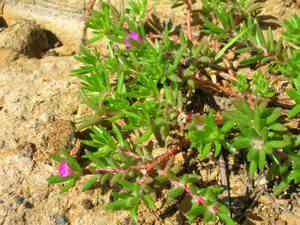
Kiss-me-quick (Portulaca pilosa)
Also known as: Hairy pigweed
Kiss-me-quick (Portulaca pilosa) is a flowering succulent indigenous to the southern United States, the Caribbean, and Brazil. Known for its resilience, it thrives in drought conditions, full sun, and poor soil. Although often considered a weed, its small flowers, which bloom on sunny mornings, make it a valuable groundcover option for challenging areas in landscaping.
In This Article
Attributes of Kiss-me-quick
Lifespan
Annual, Perennial
Plant Type
Succulent, Herb
Plant Height
0 mm to 30 cm
Spread
15 cm
Leaf Color
Green
Flower Size
2.5 cm
Flower Color
Purple Pink Red
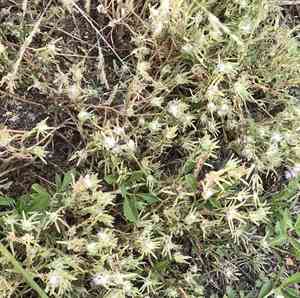
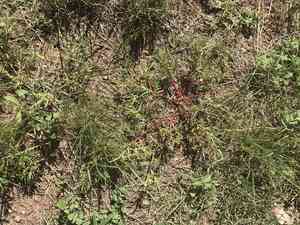
Images of Kiss-me-quick


Quickly Identify Kiss-me-quick
1
Look for its small, fleshy, and hairy leaves. The flowers are typically pink or magenta and have five petals. The plant tends to grow low to the ground and spreads across the surface.
Scientific Classification of Kiss-me-quick
Phylum
Vascular plants
Class
Dicotyledons
Order
Caryophyllales
Family
Purslane
Genus
Purslanes
Species
Kiss-me-quick
Planting and Growing of Kiss-me-quick
Care Difficulty
Easy
Watering Schedule
Every 3 days
Sunlight Requirements
Full sun
Sunshine Duration
6-10 hours
Ideal Temperature
70-85℉
Soil Type
Potting Mix, Peat Mix
Soil pH
6.5-7.5
Fertilizer Type
Balanced
Pruning Season
Spring, Summer
Pruning Area
Branches, Leaves
Pruning Frequency
2 times a year
Repotting Season
Spring
Pot Type
Plastic, Ceramic
 How to Water Kiss-me-quick?
Portulaca pilosa, known for its drought tolerance, should be watered with about 50 milliliters each time. The goal is to moisten the soil without making it soggy. Ensure that the water penetrates into the roots but avoid creating a waterlogged environment.
More About Watering Techniques→
What are the symptoms of an underwatered Kiss-me-quick?
›
What should I do if my Kiss-me-quick is not getting enough water?
›
What are the symptoms of an overwatered Kiss-me-quick?
›
How to save an overwatered Kiss-me-quick?
›
 What Are the Sunlight Requirements for Kiss-me-quick?
Portulaca pilosa ideally needs full sun conditions. This means they are best suited for areas with unobstructed light exposure throughout the day, which supports their vibrant blooming and healthy growth.
More About Sunlight Requirements Techniques→
How much sunlight does Portulaca pilosa require?
›
What can I do to ensure Portulaca pilosa gets enough light?
›
What are the benefits if Portulaca pilosa receives ideal lighting?
›
 What Is the Ideal Temperature Range for Kiss-me-quick?
The ideal temperature range for growing Portulaca pilosa is between 70°F and 85°F. Within this range, the plant can thrive and display vibrant growth with optimal flowering. These temperatures mimic the warm, sunny conditions Portulaca pilosa naturally prefers.
 What Soil is Best for Kiss-me-quick?
Portulaca pilosa thrives in well-drained soil, which prevents waterlogging and root rot. Ensuring that the soil drains properly helps the roots to breathe and helps avoid fungal infections, fostering a healthy plant ecosystem. This plant is highly adaptable and can grow even in nutrient-poor soils. While they flourish better with occasional feeding, their ability to survive with minimal nutrients makes them ideal for sandy soils where nutrient levels can be low. While Portulaca pilosa is drought-tolerant, the soil should still retain moderate moisture levels. Regular but light watering helps maintain optimal growth and vibrancy, preventing wilting during dry spells.
More About Soil→
 How to Fertilize Kiss-me-quick?
Portulaca pilosa, also known as hairy purslane, requires careful attention to fertilizer quantity. A balanced 10-10-10 liquid fertilizer diluted to half strength is ideal for this plant. Use approximately 1 tablespoon per gallon of water, ensuring it provides the nutrients without overwhelming the plant.
 How to Prune Kiss-me-quick?
Begin by inspecting the plant for any dead or damaged stems. Cut these back to the base to allow space and energy for healthier growth. Trim back leggy stems to promote bushier growth. Cut just above a node, encouraging the plant to develop new shoots and flowers in the coming weeks. Gently shape the plant according to your aesthetic preference, ensuring a more compact and rounded form, which can enhance its decorative appeal and foster more uniform blooming.
 How to Propagate Kiss-me-quick plant?
1
Collect seeds from mature Portulaca pilosa flowers once they have dried and turned brown. Gently shake the seeds onto a piece of paper, ensuring no moisture remains, to avoid mold during storage.
2
Select a healthy stem from the mother plant and use sterilized shears to cut about 4-6 inches long. Allow the cutting to dry and callous over for a day or two before planting.
3
Place the seeds or prepared cuttings into the potting mix. Water lightly and maintain moisture without overwatering. Ensure the setup receives adequate sunlight for optimal growth.
 How to Repot Kiss-me-quick plant?
1
Portulaca pilosa typically signals the need for repotting when its roots start emerging from the drainage holes or when it becomes pot-bound. You might also notice a slowdown in growth or soil drying too quickly. Optimal repotting time is during active growth phases in spring and summer to minimize stress.
2
Select a pot that is only one to two inches larger in diameter than the current container. It should have ample drainage holes to prevent waterlogging. A slightly larger pot allows new roots to spread without overwhelming the plant, ensuring stability and healthy growth.
3
Opt for a well-draining sandy mix to mimic the natural habitat of Portulaca pilosa. A cactus or succulent blend is ideal, promoting drainage and preventing root rot. This soil type facilitates air circulation around the roots, essential for this drought-tolerant plant.



