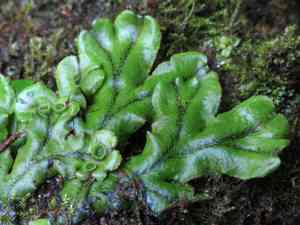
Porella (Porella) (Porella)
Also known as: Umbrella Liverwort, Liverwort
The genus with 84 recognized species is primarily found in East Asia. It typically thrives in temperate regions, often growing on the bark of trees.
In This Article
Attributes of Porella (Porella)
Lifespan
Perennial
Plant Height
2-5 cm
Spread
Not Applicable
Leaf Color
Green, often with a reddish or purplish tinge
Flower Size
Not Applicable
Flower Color
Not Applicable
Images of Porella (Porella)
Quickly Identify Porella (Porella)
1
Identify Porella by its flattened, leafy appearance with overlapping scales. The leaves are typically two-lobed and arranged in three rows. It lacks true roots and has rhizoids for anchorage.
Scientific Classification of Porella (Porella)
Phylum
Marchantiophyta
Class
Jungermanniopsida
Order
Jungermanniales
Family
Porellaceae
Genus
Porella
Planting and Growing of Porella (Porella)
Care Difficulty
Moderate
Watering Schedule
Every 2 days
Sunlight Requirements
Full shade
Sunshine Duration
6-10 hours
Ideal Temperature
60-75℉
Soil Type
Potting Mix, Peat Mix
Soil pH
5-6.5
Fertilizer Type
Balanced
Pruning Season
Spring, Summer
Pruning Area
Branches, Leaves
Pruning Frequency
2 times a year
Repotting Season
Spring
Pot Type
Plastic, Ceramic
 How to Water Porella (Porella)?
The watering amount for Porella should be around 150 milliliters each time. It's essential to ensure that the soil is adequately moist but not waterlogged. The goal is to keep the medium slightly damp without letting excess water accumulate at the bottom of the pot, as this plant thrives in slightly damp conditions similar to its natural habitat.
What are the symptoms of an underwatered Porella (Porella)?
›
What should I do if my Porella (Porella) is not getting enough water?
›
What are the symptoms of an overwatered Porella (Porella)?
›
How to save an overwatered Porella (Porella)?
›
 What Are the Sunlight Requirements for Porella (Porella)?
Partial shade allows Porella to photosynthesize effectively without the risk of sunburn, maintaining health and promoting steady growth.
What is the best lighting condition for Porella?
›
How can I achieve the ideal lighting for Porella?
›
What are the benefits of providing ideal lighting for Porella?
›
 What Is the Ideal Temperature Range for Porella (Porella)?
The ideal temperature range for Porella species to thrive falls between 60 and 75 degrees Fahrenheit. This range supports the plant's metabolic functions, ensuring optimal photosynthesis and nutrient uptake. Maintaining consistent temperatures within this range will promote robust growth and healthy development.
 What Soil is Best for Porella (Porella)?
Porella thrives in moisture-retentive soils. Soils like peat or loam that can retain water without becoming waterlogged are ideal, helping the plant maintain its lush growth and avoid dehydration. This plant prefers soils rich in organic matter, which provide essential nutrients for growth. A nutrient-rich soil fosters healthy, vigorous plants, ensuring the development of vibrant foliage. Porella requires well-draining soil to prevent root rot. Sandy loam or peat soils allow excess water to drain away, protecting roots from waterlogging and ensuring optimal health.
 How to Fertilize Porella (Porella)?
Porella, being a bryophyte, usually requires minimal fertilization because it primarily grows in nutrient-poor environments. When fertilizing, apply a dilution of liquid fertilizer at a quarter the strength recommended for most plants to prevent nutrient burn.
 How to Prune Porella (Porella)?
Begin by examining your Porella for any dead or discolored leaves, which are easy indicators of what's ready to be pruned. Using a pair of sharp, clean scissors or pruning shears, carefully snip away the unwanted or damaged foliage. Focus on maintaining the natural shape of the plant, and be sure not to remove more than one-third of the plant at a time to avoid stressing it. Pay attention to areas where the plant seems overly dense, and lightly thin these sections to improve air flow and light penetration.
 How to Propagate Porella (Porella) plant?
1
Choose a mature and healthy Porella plant for propagation. Ensure that the plant is free from diseases and pests, as this increases the likelihood of successful propagation.
2
Carefully separate the plant into smaller sections using a knife or shears. Each section should have a portion of the root system and several shoots. Handle the plant gently to avoid damaging it.
3
Place each newly divided section into suitable pots filled with appropriate soil. Lightly press the soil around the roots to secure the plant and water thoroughly to help the divisions settle in.
 How to Repot Porella (Porella) plant?
1
Repotting Porella should be done when you notice the roots are growing out of the drainage holes, or when the growth appears stunted. These signs indicate the plant is becoming root-bound and requires a larger pot to continue thriving. Ensure you choose a time during its active growth periods in spring or autumn for the best results.
2
Select a pot that is one size larger than the current one, with adequate drainage holes. A slightly larger pot allows room for root expansion, reducing the risk of being root-bound again too soon. Proper drainage is crucial for preventing waterlogged soil, which can lead to root rot.
3
Opt for a rich, organic soil mix with excellent drainage, as Porella thrives in well-aerated conditions. A mix incorporating peat, perlite, and pine bark can provide a balanced environment, supporting healthy growth while preventing the accumulation of excess moisture.

