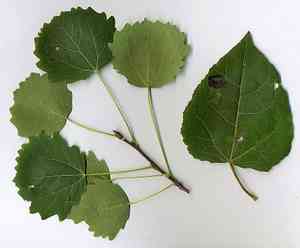
European aspen (Populus tremula)
Also known as: Aspen, Haps tree, Eurasian aspen, Asp
The holly plant (Ilex spp.) is an example of a dioecious species, where individual plants are distinctly male or female. This means each plant exclusively produces either male or female flowers, but not both. Pollination occurs between male and female plants through the help of external agents like insects or wind.
In This Article
Attributes of European aspen
Lifespan
Perennial
Plant Type
Tree
Plant Height
40 m
Spread
10 m
Leaf Color
Green Yellow Bronze
Flower Size
1.3 mm to 3 mm
Flower Color
Green White Yellow Red Silver
Images of European aspen
Quickly Identify European aspen
1
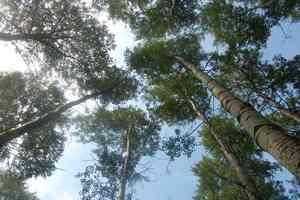
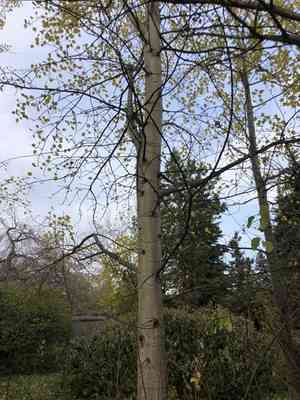
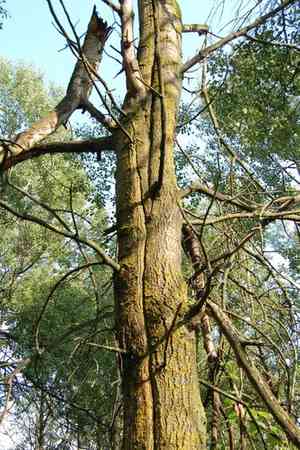
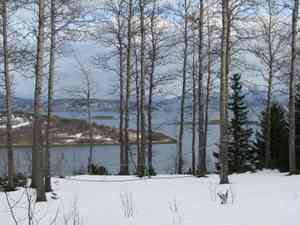
The European aspen can be identified by its tall, slender trunk, smooth bark that turns grey with age, and its circular to oval leaves with finely serrated edges. The leaves vibrate even in light winds due to their flattened petioles.
Scientific Classification of European aspen
Phylum
Vascular plants
Class
Dicotyledons
Order
Nances, spurges, willows and allies
Family
Willow
Genus
Populus
Species
European aspen
Planting and Growing of European aspen
Care Difficulty
Easy
Watering Schedule
Every 2 days
Sunlight Requirements
Full sun
Sunshine Duration
4-8 hours
Ideal Temperature
60-75℉
Soil Type
Potting Mix, Peat Mix
Soil pH
5.5-7.5
Fertilizer Type
Balanced
Pruning Season
Spring, Summer
Pruning Area
Branches, Leaves
Pruning Frequency
2 times a year
Repotting Season
Spring
Pot Type
Plastic, Ceramic
 How to Water European aspen?
Populus tremula prefers a moderate amount of water. It needs about 1500 ml per watering session, ensuring the soil is moist but not waterlogged. It's crucial to maintain a balance as excessive water can harm the roots while dryness can affect its growth. Ensure the water reaches the roots by soaking the soil thoroughly but avoid leaving standing water.
More About Watering Techniques→
What are the symptoms of an underwatered European aspen?
›
What should I do if my European aspen is not getting enough water?
›
What are the symptoms of an overwatered European aspen?
›
How to save an overwatered European aspen?
›
 What Are the Sunlight Requirements for European aspen?
Populus tremula thrives in full sun to partial sun environments. Ideal light conditions enable full photosynthesis, which supports strong tree growth, lush foliage, and natural resistance to environmental stressors.
More About Sunlight Requirements Techniques→
Why does Populus tremula need sunlight?
›
How to ensure Populus tremula gets ideal sunlight?
›
What are the benefits of ideal sunlight for Populus tremula?
›
 What Is the Ideal Temperature Range for European aspen?
The ideal temperature range for Populus tremula, also known as the European aspen, is between 60°F to 75°F. This temperature range promotes optimal growth and development, allowing the plant to photosynthesize efficiently and maintain its structural health. When kept within this range, the plant is less likely to experience stress from temperature fluctuations, thus enhancing its vigor.
 What Soil is Best for European aspen?
Populus tremula thrives in well-drained soil as it prevents waterlogging, which can cause root rot. This condition allows the roots to access oxygen and nutrients efficiently, promoting robust growth and health. Optimal growth requires soil rich in organic matter to provide essential nutrients. This enhances the tree's vigor, supporting its rapid growth rate and maintaining its characteristic fluttering leaves. While Populus tremula prefers well-drained soils, it also requires soils that retain adequate moisture to sustain its high water needs, particularly during dry periods, ensuring sustained growth and vitality.
More About Soil→
 How to Fertilize European aspen?
Populus tremula, commonly known as the European aspen, thrives with a balanced fertilizer approach. It benefits most from a 10-10-10 NPK fertilizer. During the active growing period, each application should not exceed 100 grams per square meter. This ensures a steady supply of essential nutrients without overwhelming the plant, contributing to its overall health and vibrancy.
More About Fertilizing Techniques→
 How to Prune European aspen?
Begin by identifying and cutting away any dead, diseased, or damaged branches. This will prevent the spread of disease and encourage the healthy growth of new shoots. Thin out dense or overcrowded areas to improve light penetration and air circulation. This helps in reducing the risk of fungal infections and promotes healthier foliage. When pruning for shape, focus on maintaining the natural form of the tree. Make cuts just above a bud or a lateral branch to ensure the tree continues to grow in a desirable shape. After pruning, clean your tools thoroughly to remove any plant residue or pathogens. This prevents the spread of diseases to other plants or trees during your next pruning session.
More About Pruning Techniques→
 How to Propagate European aspen plant?
1
Start by collecting seeds during autumn from mature Populus tremula. Fill seed trays with a well-draining soil mix, place the seeds on the surface, and cover them lightly. Water gently and keep in a warm, bright location. Patience is essential, as germination can take several weeks.
2
Select healthy, disease-free branches for cuttings. Ideally, each cutting should be about 15-20 cm long. Cut below a node and remove the lower leaves. Dip the cut end in rooting hormone to enhance root development, then plant in a prepared medium.
3
In early spring, when the plant is still dormant, dig around a mature aspen to extract thick, healthy roots. Cut the roots into sections about 10 cm long. Place them horizontally in a rooting medium, cover lightly, and maintain consistent moisture and temperature.
 How to Repot European aspen plant?
1
The best time to repot Populus tremula is when you notice stunted growth, roots emerging from the drainage holes, or the soil drains too quickly, indicating the plant has outgrown its pot. Typically, this will occur every 2 to 3 years. Choose early spring or autumn for optimal transplanting, allowing the plant to rejuvenate without the stress of extreme summer heat or winter cold.
2
When selecting a pot for Populus tremula, opt for one that is 2 to 3 inches larger in diameter than the current container. Ensure the pot has adequate drainage holes to prevent waterlogging, which can cause root rot. A slightly heavier pot can offer additional stability, accommodating the plant’s growing structure and allowing it to thrive effortlessly.
3
Opt for well-drained loamy soil, rich in organic matter to support the healthy growth of Populus tremula. This soil type provides a perfect balance of moisture retention and drainage, preventing waterlogged conditions. Rich organic content ensures continual nutrient supply, promoting lush foliage and robust root development.



