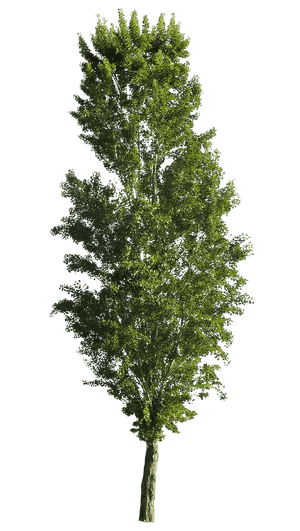
Black poplar (Populus nigra)
Also known as: Italian poplar
Black poplar (Populus nigra) is a medium- to large-sized deciduous tree commonly found in Europe's alluvial forests. Known for its rapid growth and expansive crown, it provides a vital nesting habitat for various bird species. However, the species has become endangered in some regions due to the destruction of its natural environments.
In This Article
Attributes of Black poplar
Lifespan
Perennial
Plant Type
Tree
Plant Height
20 m to 40 m
Spread
3 m to 3.5 m
Leaf Color
Green
Flower Size
5 cm to 6 cm
Flower Color
Green Red Yellow
Images of Black poplar
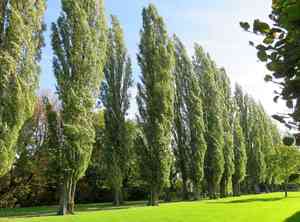
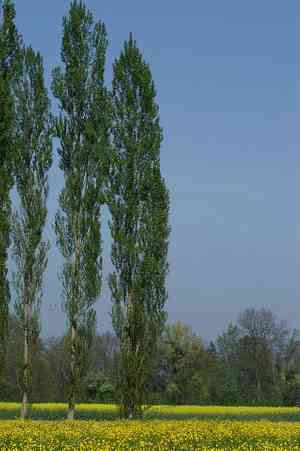
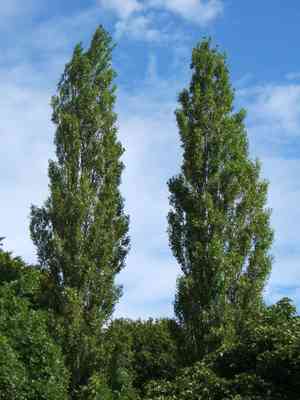
Quickly Identify Black poplar
1
Tall tree up to 50 feet (15 meters) with rapid growth.
2
Distinct bark texture: deeply furrowed, peeling off in scales.
3
Triangular leaves, glossy with serrated edges, turning yellow in autumn.
4
Male and female flowers in catkins: green and red color difference.
5
Dark gray to black trunk with rough, flaky bark, reaching 3 feet (1 meter) in diameter.
Scientific Classification of Black poplar
Phylum
Vascular plants
Class
Dicotyledons
Order
Malpighiales
Family
Willow
Genus
Populus
Species
Black poplar
Planting and Growing of Black poplar
Care Difficulty
Easy
Watering Schedule
Every 8 days
Sunlight Requirements
Full sun
Sunshine Duration
6-10 hours
Ideal Temperature
60-77℉
Soil Type
Potting Mix, Peat Mix
Soil pH
6.5-7.5
Fertilizer Type
Balanced
Pruning Season
Spring, Summer
Pruning Area
Branches, Leaves
Pruning Frequency
2 times a year
Repotting Season
Spring
Pot Type
Plastic, Terracotta
 How to Water Black poplar?
Populus nigra, commonly known as black poplar, requires moderate watering. It's essential to ensure that the soil is moist but not waterlogged. The aim is to water until the soil is soaked to a depth of around 10 to 15 centimeters, which typically means using about 500 milliliters per session.
More About Watering Techniques→
What are the symptoms of an underwatered Black poplar?
›
What should I do if my Black poplar is not getting enough water?
›
What are the symptoms of an overwatered Black poplar?
›
How to save an overwatered Black poplar?
›
 What Are the Sunlight Requirements for Black poplar?
Populus nigra thrives best in full sun. Adequate sunlight ensures efficient photosynthesis for healthy leaf development and robust growth.
More About Sunlight Requirements Techniques→
Question 1
›
Question 2
›
Question 3
›
 What Is the Ideal Temperature Range for Black poplar?
The ideal temperature range for Populus nigra, commonly known as the black poplar, is between 60°F and 77°F. Within this range, the plant can maintain its metabolic processes effectively, promoting optimal growth and health. Temperatures within this zone also minimize the risk of heat or cold stress, ensuring the plant remains resilient against disease and other environmental stressors.
 What Soil is Best for Black poplar?
Populus nigra requires soil with excellent drainage. Well-draining soil prevents waterlogging, which can lead to root rot and other moisture-related issues, ensuring healthy growth. Rich, nutrient-filled soil is essential for Populus nigra as it supports vigorous growth and lush foliage, providing the plant with the necessary resources to thrive. Maintaining a slightly acidic to neutral pH range is crucial for Populus nigra to optimize nutrient uptake, supporting its overall health and growth performance.
More About Soil→
 How to Fertilize Black poplar?
For Populus nigra, the appropriate fertilization amount depends on its growth stage. Typically, a balanced fertilizer such as a 10-10-10 or 20-20-20 should be applied at a rate of 1 to 2 pounds per 100 square feet during the growing season to ensure adequate nutrient supply.
More About Fertilizing Techniques→
 How to Prune Black poplar?
Begin by identifying any dead, diseased, or crossing branches that could hinder the health of the tree. These should be your primary targets for removal. Start cutting at the base of the branch near the trunk or a main branch. Use a three-cut technique to prevent bark tearing: an undercut, an opposite side cut, and then finish with the final cut. To encourage an open, balanced crown, selectively remove branches to allow more light and air through the tree. Focus on branches that grow inward or at sharp angles.
More About Pruning Techniques→
 How to Propagate Black poplar plant?
1
Choose healthy plant segments with a couple of nodes, cut them at a 45-degree angle, and remove extra leaves to decrease transpiration and enhance successful rooting.
2
Dip the cut end of the popsicle cutting into rooting hormone powder to stimulate root growth and increase your chances of a successful propagation.
3
Place the prepared cutting into a well-drained propagation mix under indirect light, ensuring the medium retains moisture without becoming waterlogged.
 How to Repot Black poplar plant?
1
It's essential to repot Populus nigra when you notice the roots starting to circle the pot, or the plant appears root-bound with stunted growth. Another signal is when water drains too quickly, indicating compacted roots. Picking the right timing ensures minimal stress on the plant.
2
When selecting a pot, go for one that is 2-3 inches larger in diameter than the current pot. This ensures adequate space for growth without overwhelming the plant. A pot with drainage holes is crucial to prevent waterlogging, providing a healthy root environment.
3
A loamy, well-draining soil mix is best for Populus nigra. This type of soil retains enough moisture without becoming waterlogged, ensuring the roots have access to air and nutrients. Its composition also supports strong root development and plant health.



