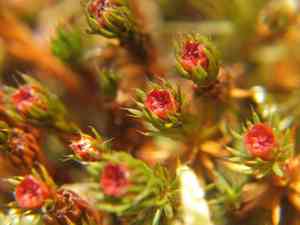
Polytrichum moss (Polytrichum piliferum)
Also known as: Bristle-pointed hair moss
Polytrichum moss, also known as haircap moss, is distinguished by its wiry, upright stems crowned with spore capsules that have a unique hairy calyptra, giving them a bearded look. The stems, ranging from green to reddish, bear narrow, pointed leaves often tipped in white. This moss thrives in well-drained, acidic soils and is typically found in heathy or rocky environments, showcasing its resilience and adaptability.
In This Article
Attributes of Polytrichum moss
Lifespan
Perennial
Plant Height
Up to 10 cm
Spread
N/A
Leaf Color
Dark green
Flower Size
N/A
Flower Color
Yellow Red Pink Brown
Images of Polytrichum moss
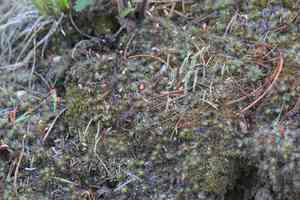
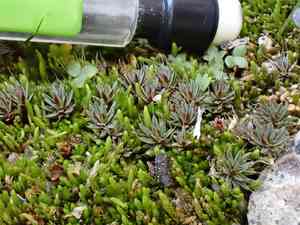
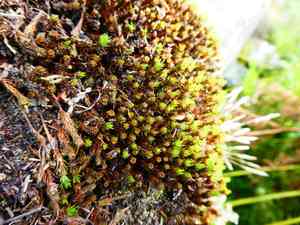
Quickly Identify Polytrichum moss
1
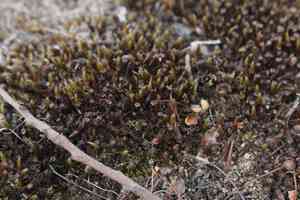
Identify Polytrichum piliferum by its tall, erect stems which often reach up to 10 cm in height. The leaves are dark green and form a dense, cylindrical shape around the stem. Look for the hairy calyptra on the sporophytes, a key identifying feature.
Scientific Classification of Polytrichum moss
Phylum
Mosses
Class
True mosses
Order
Polytrichales
Family
Aloe-mosses
Genus
Haircap mosses
Species
Polytrichum moss
Planting and Growing of Polytrichum moss
Care Difficulty
Moderate
Watering Schedule
Every day
Sunlight Requirements
Partial sun
Sunshine Duration
8-12 hours
Ideal Temperature
60-75℉
Soil Type
Potting Mix, Peat Mix
Soil pH
4.5-6.5
Fertilizer Type
Balanced
Pruning Season
Spring, Summer
Pruning Area
Branches, Leaves
Pruning Frequency
2 times a year
Repotting Season
Spring
Pot Type
Plastic, Ceramic
 How to Water Polytrichum moss?
For Polytrichum piliferum, watering should be minimal, as it is adapted to dry conditions. Watering should only provide enough moisture to dampen the substrate, ensuring it doesn’t get waterlogged. You aim for just enough water to barely touch the substrate, around 50 milliliters each time.
What are the symptoms of an underwatered Polytrichum moss?
›
What should I do if my Polytrichum moss is not getting enough water?
›
What are the symptoms of an overwatered Polytrichum moss?
›
How to save an overwatered Polytrichum moss?
›
 What Are the Sunlight Requirements for Polytrichum moss?
Polytrichum piliferum prospers under partial sunlight exposure for several hours daily. Such light conditions significantly benefit the moss by balancing photosynthesis needs with protection from harsh rays.
What is the perfect amount of sunlight for Polytrichum piliferum?
›
How can I ensure my Polytrichum piliferum gets the right amount of light?
›
What are the benefits of optimal lighting for Polytrichum piliferum?
›
 What Is the Ideal Temperature Range for Polytrichum moss?
The ideal temperature range for cultivating Polytrichum piliferum is between 60°F and 75°F. This moss thrives in conditions that provide moderate warmth, similar to its natural habitat. It is crucial to ensure these temperatures are maintained to encourage proper growth and avoid stress. Adhering to this range supports optimal physiological processes within the plant.
 What Soil is Best for Polytrichum moss?
Polytrichum piliferum thrives in well-drained soil that prevents water from stagnating around the roots. Good drainage helps to avoid root rot and provides the moss with a supportive environment to absorb nutrients efficiently, ensuring healthy growth. While this species prefers well-drained soil, it still needs adequate moisture retention to remain vigorous. The soil should hold enough moisture to support hydration during dry periods, which is crucial for maintaining the plant's lush, green appearance. Interestingly, Polytrichum piliferum can thrive in nutrient-poor soils. This adaptation allows it to colonize areas where other plants might not survive, providing an ecological niche in which it can flourish with minimal competition.
 How to Fertilize Polytrichum moss?
When it comes to fertilizing Polytrichum piliferum, less is often more. This moss prefers very dilute solutions. Use half the recommended amount on a general-purpose plant fertilizer label for liquid feeds.
 How to Prune Polytrichum moss?
Polytrichum piliferum does not require heavy pruning due to its nature as a moss. However, excess growth or browning tips are signs it needs attention. Trim sparingly to retain its natural form while removing any unsightly dead growth. While Polytrichum piliferum can be pruned throughout the year, avoid doing so during extreme weather conditions. Overly wet or dry seasons could stress the plant further. Optimal conditions lie in mild, balanced weather.
More About Pruning Techniques→
 How to Propagate Polytrichum moss plant?
1
Collect mature capsules from existing Polytrichum piliferum plants. Carefully open the capsules and extract the fine spores, as these are necessary for successful propagation. Ensure the spores are dry to avoid clumping and improve distribution.
2
Evenly spread the extracted spores over a moist substrate, such as a mixture of peat and sand. Cover the tray with a transparent lid to maintain humidity, ensuring the substrate remains consistently moist but not waterlogged throughout the germination period.
3
Place the covered seed tray in a location with indirect light and stable temperatures, around 15-20°C. This encourages optimal germination conditions for Polytrichum piliferum, facilitating growth and minimizing risks associated with temperature fluctuations.
 How to Repot Polytrichum moss plant?
1
Polytrichum piliferum shows signs it's ready for repotting when you notice its growth stagnating despite adequate nutrition, or if the surface moss is densely overgrown. It's also a good time if the roots start appearing above the soil or if water takes too long to drain.
2
Select a shallow pot with ample drainage holes. The pot should be wider to allow lateral expansion rather than depth, mimicking its natural growth habits. Aesthetically, opt for a neutral color to highlight the vibrant green of the moss. The correct pot helps prevent root rot and supports healthy moss expansion.
3
Use an acidic, well-draining soil mix that mimics its native woodland floor. This might include mixing refined peat, sand, and perlite. Opting for this type of soil prevents water stagnation, ensures good aeration, and supports proper nutrient absorption, mimicking the plant's natural environment.


