
Ohio haircap moss (Polytrichastrum ohioense)
Also known as: None
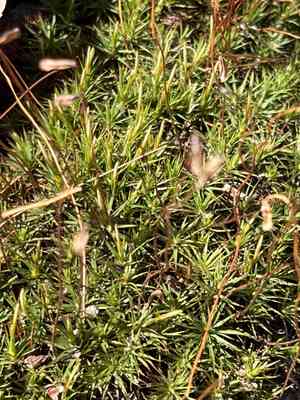
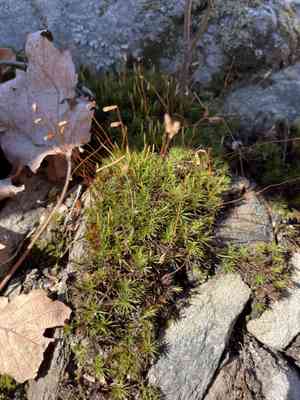
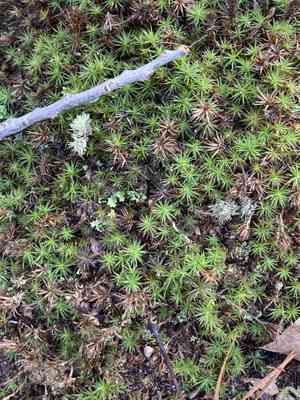
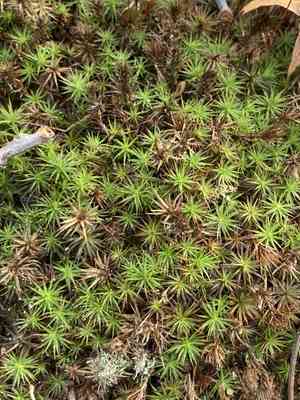
Polytrichum ohioense, commonly known as Ohio haircap moss, features a vertical growth habit with upright, vivid green shoots that resemble tiny pine trees. The slender stems are adorned with lance-shaped leaves, often with serrated edges. It thrives in cool, damp environments like forest floors and shaded areas, forming dense, green carpets. This moss is an indicator of a healthy forest ecosystem, contributing to water retention and soil stability.
In This Article
Attributes of Ohio haircap moss
Lifespan
Perennial
Plant Type
Moss
Plant Height
Up to 10 cm
Spread
Not applicable
Leaf Color
Green, sometimes turning brownish when dry
Flower Size
Not applicable
Flower Color
Not applicable
Images of Ohio haircap moss
Quickly Identify Ohio haircap moss
1
This plant can be identified by its tall stems, which can reach up to 10 cm in height, and its densely packed leaves that give it a bushy appearance. The leaves are lanceolate and have a sharp tip, and the plant often exhibits a pronounced green color in moist environments, transitioning to a brownish hue when dry.
Scientific Classification of Ohio haircap moss
Phylum
Mosses
Class
True mosses
Order
Polytrichales
Family
Aloe-mosses
Genus
Polytrichastrum
Species
Ohio haircap moss
Planting and Growing of Ohio haircap moss
Care Difficulty
Moderate
Watering Schedule
Every 2 days
Sunlight Requirements
Full shade
Sunshine Duration
6-10 hours
Ideal Temperature
60-75℉
Soil Type
Potting Mix, Peat Mix
Soil pH
6.5-7.5
Fertilizer Type
Balanced
Pruning Season
Spring, Summer
Pruning Area
Branches, Leaves
Pruning Frequency
Once a year
Repotting Season
Spring
Pot Type
Ceramic, Plastic
 How to Water Ohio haircap moss?
Polytrichastrum ohioense prefers consistent moisture without being waterlogged. Ensure the soil is evenly moist but not saturated to prevent fungal issues, offering about 100 ml each time of watering.
What are the symptoms of an underwatered Ohio haircap moss?
›
What should I do if my Ohio haircap moss is not getting enough water?
›
What are the symptoms of an overwatered Ohio haircap moss?
›
How to save an overwatered Ohio haircap moss?
›
 What Are the Sunlight Requirements for Ohio haircap moss?
Partial sun to full shade is ideal for Polytrichastrum ohioense, preventing leaf scorch while promoting healthy growth and maintaining its aesthetic appeal.
What are the ideal light conditions for Polytrichastrum ohioense?
›
How can you ensure Polytrichastrum ohioense receives its ideal lighting conditions?
›
What are the benefits of providing ideal light conditions to Polytrichastrum ohioense?
›
 What Is the Ideal Temperature Range for Ohio haircap moss?
For Polytrichastrum ohioense, the ideal temperature range lies between 60°F and 75°F. This range supports optimal growth and development by mimicking the plant's native conditions. It is crucial to maintain these temperatures to ensure healthy foliage and vigorous growth.
 What Soil is Best for Ohio haircap moss?
Polytrichastrum ohioense thrives in soils that can adequately retain moisture without becoming waterlogged. This ensures the moss remains hydrated and contributes to its lush and green appearance, which is critical for its survival and aesthetic appeal. Aerated soil is essential for Polytrichastrum ohioense as it allows oxygen to reach the roots, which helps in efficient nutrient absorption. An aerated medium prevents root rot and provides an environment conducive to robust growth. Though relatively undemanding, Polytrichastrum ohioense benefits from nutritionally well-balanced soil. Even minimal nutrients can boost its growth rate and enhance its bright green hue, making it a visually pleasing addition to its habitat.
 How to Fertilize Ohio haircap moss?
For Polytrichastrum ohioense, use a balanced liquid fertilizer diluted to one-quarter of the recommended strength. Ensure that you apply only enough to moisten the soil surface without soaking it, as mosses are sensitive to over-fertilization.
 How to Prune Ohio haircap moss?
Start by gently removing any brown or dead tips of the moss using your fingers or a pair of sharp scissors. This will encourage healthier and more uniform growth across the surface. Identify and remove any tall or excessively leggy stems. This will promote a more compact and dense formation, which is typical for healthy Polytrichastrum ohioense. Make sure to cut at the base of these stems to keep the appearance tidy.
 How to Propagate Ohio haircap moss plant?
1
Fill the seed tray with a suitable moss substrate, ensuring it's damp but not waterlogged. This substrate should replicate the moss's natural environment to encourage germination.
2
Sprinkle the seeds evenly over the substrate's surface. Do not cover them, as light exposure is crucial for the germination process of these tiny seeds.
3
Place a transparent cover over the tray to create a humid microenvironment. Regularly mist the seeds to keep them consistently moist and monitor for sprouting.
 How to Repot Ohio haircap moss plant?
1
Polytrichastrum ohioense usually signals the need for repotting when you notice overcrowded growth or stunted development. If the roots begin to circle the pot, it's a definite sign to repot. Ideally, repot during active growth season for optimal recovery.
2
Select a pot that provides excellent drainage and is slightly larger than the previous one. This ensures the moss isn't waterlogged and has room for new growth. Plastic or ceramic pots with drainage holes are ideal, promoting healthy root systems and preventing root rot.
3
Opt for a soil mix that is moist, acidic, and well-draining, mimicking its natural habitat. Utilizing a mix of peat, pine bark, and perlite can keep your Polytrichastrum ohioense in optimum conditions, facilitating healthy growth and preventing overly compact soil.



