Bank hair moss (Polytrichastrum formosum)
Also known as: Bank Haircap Moss
Haircap moss, known scientifically as *Polytrichum commune*, stands out for its tall, upright structure that mimics tiny pine trees. It forms dense, dark green carpets with stiff, lance-shaped leaves. Preferring moist and shady habitats, this moss relies on high humidity for spore dispersal. Its presence often signals a well-preserved, healthy ecosystem.
In This Article
Attributes of Bank hair moss
Lifespan
Perennial
Plant Type
Moss
Plant Height
Up to 10 cm
Spread
N/A
Leaf Color
Dark green to brownish
Flower Size
N/A
Flower Color
N/A
Images of Bank hair moss
Quickly Identify Bank hair moss
1
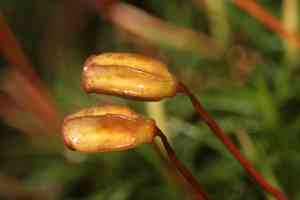
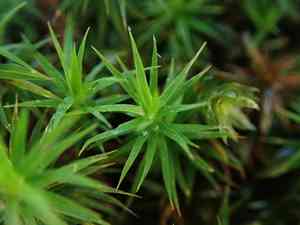
Polytrichastrum formosum can be identified by its tall, erect stems, which can reach up to 10 cm in height. The leaves are stiff and narrow, with a distinct midrib and fringed edges. The plant also produces sporophytes with long, reddish-brown seta and capsules.
Scientific Classification of Bank hair moss
Phylum
Mosses
Class
True mosses
Order
Polytrichales
Family
Aloe-mosses
Genus
Polytrichastrum
Species
Bank hair moss
Planting and Growing of Bank hair moss
Care Difficulty
Easy
Watering Schedule
Every 3 days
Sunlight Requirements
Partial sun
Sunshine Duration
4-6 hours
Ideal Temperature
50-68℉
Soil Type
Potting Mix, Peat Mix
Soil pH
4-6
Fertilizer Type
Balanced
Pruning Season
Spring, Summer
Pruning Area
Branches, Leaves
Pruning Frequency
2 times a year
Repotting Season
Spring
Pot Type
Plastic, Terracotta
 How to Water Bank hair moss?
The amount of water should be enough to moisten the soil thoroughly without waterlogging it. Aim for around 150 ml, ensuring that the water penetrates deeply but doesn't sit as a pool on the surface. This helps maintain the right moisture balance for Polytrichastrum formosum.
What are the symptoms of an underwatered Bank hair moss?
›
What should I do if my Bank hair moss is not getting enough water?
›
What are the symptoms of an overwatered Bank hair moss?
›
How to save an overwatered Bank hair moss?
›
 What Are the Sunlight Requirements for Bank hair moss?
Polytrichastrum formosum benefits from partial sun to full shade, mimicking its forest floor habitat. Ideal lighting ensures robust growth, maintaining the moss's dense, green appearance crucial for its vibrancy and health.
What type of light is ideal?
›
How can I achieve this lighting for my plant?
›
What benefits does ideal lighting provide?
›
 What Is the Ideal Temperature Range for Bank hair moss?
The ideal temperature range for Polytrichastrum formosum, a species of moss, falls between 50°F and 68°F. This range ensures optimal growth, allowing the moss to thrive without stressing due to temperature-related issues. Within this range, the plants can efficiently carry out physiological processes such as photosynthesis, respiration, and nutrient uptake without being subject to temperature-induced damage. Maintaining this temperature aids in fostering robust and lush growth.
 What Soil is Best for Bank hair moss?
Polytrichastrum formosum thrives in soil that can retain moisture without becoming waterlogged. This characteristic ensures that the plant maintains adequate hydration, promoting lush growth and preventing dehydration stress. A nutritious soil supports the healthy growth of Polytrichastrum formosum by providing essential minerals and organic matter. This nutrient abundance is vital for the plant's overall vitality and resilience. While Polytrichastrum formosum loves moisture, it also demands well-drained soil to prevent root rot. Effective drainage allows excess water to escape, safeguarding the plant's health by minimizing the risk of fungal infections.
 How to Fertilize Bank hair moss?
For Polytrichastrum formosum, it is important to administer fertilizers with care, ensuring not to exceed 50-100 mg of nitrogen per liter of water for liquid fertilizers. Solid fertilizers should not be more than 30 grams per square meter annually to prevent over-fertilization.
 How to Prune Bank hair moss?
Avoid cutting more than 25% of the plant at once, as over-pruning can lead to stress and slow growth. This can particularly affect the moss's ability to photosynthesize and maintain its lush appearance. While Polytrichastrum formosum can be pruned regularly throughout the year, sensitivity to seasonal changes is crucial. The plant may require more care during transitions between seasons, as environmental shifts can influence growth patterns. During pruning, inspect the plant for any signs of pests or diseases. Addressing these problems early ensures your plant remains healthy and vibrant. Remove infected areas immediately to prevent them from spreading.
 How to Propagate Bank hair moss plant?
1
To propagate Polytrichastrum formosum by seed, first collect mature spore capsules from the moss. These capsules should be dry and brown, indicating that the spores inside are ready to be sown.
2
Place the collected spores on top of a moist potting mix in a seed tray. Ensure they are evenly spread and do not cover them with soil, as they need light to germinate.
3
For division propagation, gently lift the moss clump with a garden trowel and separate it into smaller sections. Each section should have ample rhizoids for successful reestablishment.
 How to Repot Bank hair moss plant?
1
Look for signs like roots circling the pot or stunted growth, indicating it's time to move Polytrichastrum formosum to a larger space. The ideal time is in spring or early summer when the plant is in its growth phase, ensuring it can quickly take advantage of its new environment.
2
Select a pot only slightly larger than the current one to prevent waterlogging. Ensure it has drainage holes to avoid root rot. The material can be clay or plastic, as long as it maintains good air circulation for the roots, promoting a healthy plant growth.
3
Choose a well-draining acidic soil that mimics its natural habitat. This type of soil allows for adequate aeration, preventing compacted conditions and encouraging root development, which is crucial for a robust Polytrichastrum formosum.

