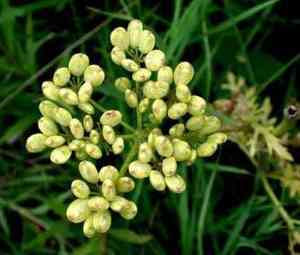
Nuttall's Prairie Parsley (Polytaenia nuttallii)
Also known as: Prairie Parsley
Nuttall's Prairie Parsley (Polytaenia nuttallii) is a herbaceous plant, either biennial or perennial, reaching up to 1 meter in height. It is native to the central and midwestern United States and typically flowers in the spring and summer months.
In This Article
Attributes of Nuttall's Prairie Parsley
Lifespan
Perennial, Biennial
Plant Type
Herb
Plant Height
1 m
Spread
30 cm to 90 cm
Leaf Color
Green
Flower Size
3 mm
Flower Color
Yellow Green
Images of Nuttall's Prairie Parsley
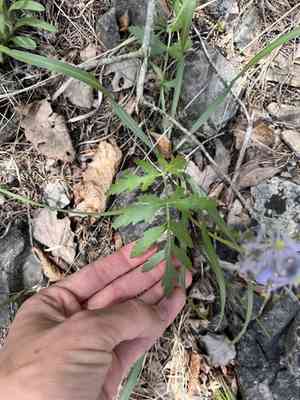
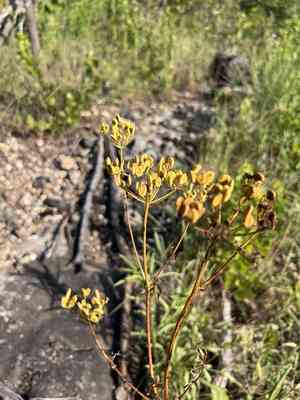
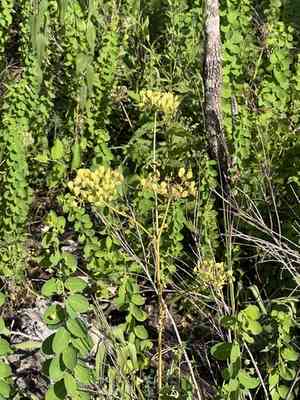
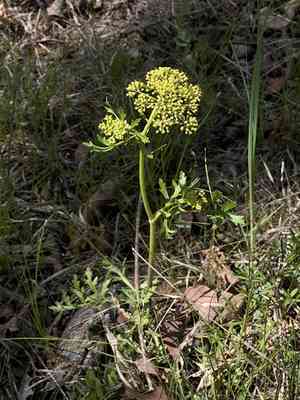
Quickly Identify Nuttall's Prairie Parsley
1
Polytaenia nuttallii can be identified by its bright yellow umbel flowers, feathery, divided leaves, and a robust, erect growth habit. It typically blooms from late spring to early summer.
Scientific Classification of Nuttall's Prairie Parsley
Phylum
Vascular plants
Class
Dicotyledons
Order
Apiales
Family
Umbellifers
Genus
Polytaenia
Species
Nuttall's Prairie Parsley
Planting and Growing of Nuttall's Prairie Parsley
Care Difficulty
Easy
Watering Schedule
Every 3 days
Sunlight Requirements
Full sun
Sunshine Duration
6-10 hours
Ideal Temperature
60-75℉
Soil Type
Potting Mix, Peat Mix
Soil pH
6.5-7.5
Fertilizer Type
Balanced
Pruning Season
Spring, Summer
Pruning Area
Branches, Leaves
Pruning Frequency
2 times a year
Repotting Season
Spring
Pot Type
Plastic, Ceramic
 How to Water Nuttall's Prairie Parsley?
For Polytaenia nuttallii, ensure each watering session delivers approximately 250 ml of water. This strikes the ideal balance between keeping the roots moist without causing waterlogging, aligning with its natural habitat's moisture levels. Aim for the soil to be consistently damp but never saturated.
What are the symptoms of an underwatered Nuttall's Prairie Parsley?
›
What should I do if my Nuttall's Prairie Parsley is not getting enough water?
›
What are the symptoms of an overwatered Nuttall's Prairie Parsley?
›
How to save an overwatered Nuttall's Prairie Parsley?
›
 What Are the Sunlight Requirements for Nuttall's Prairie Parsley?
Polytaenia nuttallii requires full to partial sun, making 6-8 hours of sunlight daily ideal. This range supports optimal photosynthesis, ensuring robust growth, vibrant foliage, and flowering potential.
More About Sunlight Requirements Techniques→
How much sun does Polytaenia nuttallii need?
›
What if full sun exposure is not available?
›
How to maximize light exposure in limited space?
›
 What Is the Ideal Temperature Range for Nuttall's Prairie Parsley?
Polytaenia nuttallii thrives best in temperatures ranging from 60°F to 75°F. Maintaining this temperature range ensures optimal growth and health for the plant by supporting effective photosynthesis and nutrient uptake.
 What Soil is Best for Nuttall's Prairie Parsley?
Polytaenia nuttallii thrives in well-drained soil to prevent root rot and ensure ample oxygen reaches the roots. This is vital for healthy growth, providing conditions for robust nutrient uptake and plant stability. For optimal growth, nutrient-rich substrate is crucial. This ensures the plant has access to sufficient nutrients, promoting lush foliage and vibrant blooms while supporting overall vitality. Polytaenia nuttallii benefits from moderately moist soil without being soggy. Adequate moisture levels prevent dehydration, support metabolic processes, and contribute to healthy plant development.
 How to Fertilize Nuttall's Prairie Parsley?
Polytaenia nuttallii, a resilient native prairie plant, thrives in well-drained soils. For optimal growth, apply a balanced liquid fertilizer diluted to half strength every two weeks during the growing season. Use about one gallon per mature plant.
 How to Prune Nuttall's Prairie Parsley?
Start by inspecting your Polytaenia nuttallii for any dead or damaged stems and leaves. Use sharp, clean pruning shears to cut these parts away at their base or where they meet healthy tissue. Focus on thinning out overcrowded areas to allow light and air to reach inner foliage, which helps prevent disease. Aim for a balanced shape that accentuates the plant’s natural form.
More About Pruning Techniques→
 How to Propagate Nuttall's Prairie Parsley plant?
1
Fill the seed tray with a high-quality seed-starting mix, ensuring it is moistened evenly. The mix should be firmed gently but not compacted too hard, to provide ideal conditions for seed placement.
2
Place seeds evenly spaced on the surface of the moistened soil, then cover with a thin layer of the mix, about 1/4 inch. The covering layer should be lightly firmed down, ensuring contact with the seed for optimal germination.
3
Position the seed trays in a warm, bright location. Keep the temperature around 70°F (21°C). Maintain moisture by misting the soil surface as needed, avoiding waterlogging by providing good ventilation and drainage.
 How to Repot Nuttall's Prairie Parsley plant?
1
Polytaenia nuttallii signals its need for repotting with roots protruding from the drainage holes, a clear indicator it's outgrown its pot. Additionally, slow growth or wilting despite adequate water and light suggests the roots need more space and nutrients.
2
Opt for a pot that's about 2 inches larger in diameter than the current one, ensuring it has sufficient drainage holes. This allows the roots more room to expand and helps prevent waterlogging, which can lead to root rot, keeping the plant healthy and thriving.
3
Use a well-draining loamy soil mix to provide Polytaenia nuttallii with the proper balance of moisture retention and aeration. Such a mix promotes root health by allowing excess water to escape, simultaneously supporting nutrient absorption for sustained growth.
Learn More About Nuttall's Prairie Parsley Diseases
Anthracnose
Bacterial Leaf Spot
Bacterial Soft Rot
Bacterial Wilt
Black Spot
Chemical Injury
Crown Gall
Cyst Nematode
Damping-off
Downy Mildew
Drought Stress
Fusarium Wilt
Gray Mold
Leaf Curl
Leaf Spot
Mosaic
Nutrient Deficiency
Nutrient Toxicity
Powdery Mildew
Root Rot
Root-knot Nematode
Rusts
Sooty Mold
Spider Mites
Temperature Stress
Thrips Damage
White Mold



