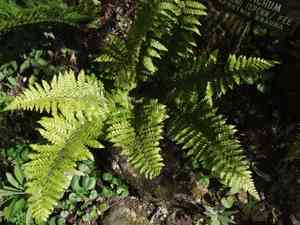
Braun's Holly Fern (Polystichum braunii)
Also known as: Braum's Wood Fern, Braun's Shield Fern
Braun's Holly Fern flourishes in cool, shaded woodland areas with consistently moist, well-drained soil. Native to parts of northern North America, its scientific name is *Polystichum braunii*, derived from the Greek words "*polys*" and "*stochos*".
In This Article
Attributes of Braun's Holly Fern
Lifespan
Perennial
Plant Type
Herb
Plant Height
61 cm to 91 cm
Spread
60 cm
Leaf Color
Green
Flower Size
N/A
Flower Color
N/A
Images of Braun's Holly Fern
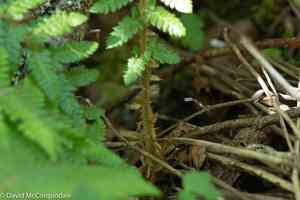
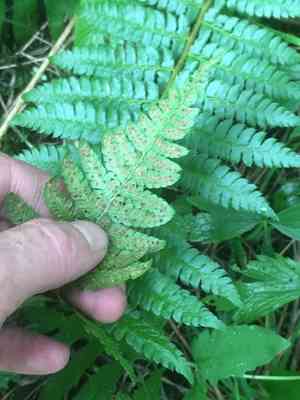
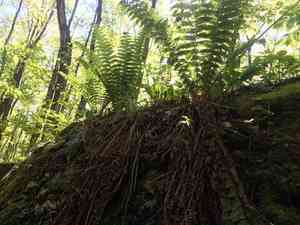
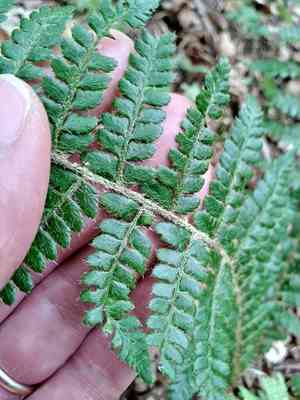
Quickly Identify Braun's Holly Fern
1
Wide, arching vase shape leaves
2
Lustrous, dark green, leathery fronds
3
Closely spaced pairs of pinnae
4
Bristle-toothed pinnules with silvery hairs
5
Distinctive crown-forming rhizomes
Scientific Classification of Braun's Holly Fern
Phylum
Vascular plants
Class
Ferns
Order
Polypodiales
Family
Wood fern
Genus
christmas dagger
Species
Braun's Holly Fern
Planting and Growing of Braun's Holly Fern
Care Difficulty
Easy
Watering Schedule
Every 2 days
Sunlight Requirements
Partial sun
Sunshine Duration
6-8 hours
Ideal Temperature
60-75℉
Soil Type
Potting Mix, Peat Mix
Soil pH
6.5-7.5
Fertilizer Type
Balanced
Pruning Season
Spring, Summer
Pruning Area
Branches, Leaves
Pruning Frequency
Once a year
Repotting Season
Spring
Pot Type
Ceramic, Plastic
 How to Water Braun's Holly Fern?
For Polystichum braunii, ensure the soil remains consistently moist but not waterlogged. Watering should aim for about 250ml per session, just enough to moisten the root zone without causing standing water. The aim is to maintain an environment similar to its natural woodland habitat, where the soil is damp but not overly saturated. You should adjust the amount of water based on the plant’s immediate needs and the climate conditions.
What are the symptoms of an underwatered Braun's Holly Fern?
›
What should I do if my Braun's Holly Fern is not getting enough water?
›
What are the symptoms of an overwatered Braun's Holly Fern?
›
How to save an overwatered Braun's Holly Fern?
›
 What Are the Sunlight Requirements for Braun's Holly Fern?
Polystichum braunii thrives best in partial sun or full shade conditions, similar to its natural forest habitat. Ideal light allows the plant to develop rich green fronds, maintaining its aesthetic appeal and robust health.
More About Sunlight Requirements Techniques→
What are the ideal lighting conditions for Polystichum braunii?
›
How can I create the perfect light environment for this plant?
›
What benefits does Polystichum braunii receive from the ideal light?
›
 What Is the Ideal Temperature Range for Braun's Holly Fern?
Polystichum braunii thrives in temperatures ranging from 60°F to 75°F. This range provides the best conditions for photosynthesis and overall growth. The moderate warmth allows the plant to maintain healthy moisture retention while preventing stress from excessive cold or heat. Maintaining this temperature consistently is key to ensuring vibrant foliage and robust development.
 What Soil is Best for Braun's Holly Fern?
Polystichum braunii thrives in soils that have excellent moisture retention properties, preventing the roots from drying out. This ensures the fern receives consistent hydration, necessary for lush growth. Nutrient-rich soils provide essential macro and micronutrients for Polystichum braunii, promoting healthy frond development and overall plant vigor. While this fern enjoys moist environments, it is critical that the soil has good drainage to prevent root rot and other water-related diseases, ensuring the plant remains healthy.
 How to Fertilize Braun's Holly Fern?
Polystichum braunii, commonly known as Braun's Holly Fern, prefers minimal fertilization. Use about a quarter strength of a balanced, water-soluble fertilizer every month during the growing season. This ensures the plant receives adequate nutrients without the risk of over-fertilizing.
 How to Prune Braun's Holly Fern?
Use sharp, sterilized scissors or pruning shears to avoid damaging the plant or spreading disease. Proper tools make clean cuts and reduce stress on the plant. Carefully inspect the plant and identify fronds that are brown or withered. Cut these at the base, taking care not to damage healthy fronds nearby, to maintain the plant's vitality. Gently trim any overgrown fronds to maintain an aesthetically pleasing shape. Aim for a balanced look, ensuring that the plant retains its natural, arching form without looking sparse.
More About Pruning Techniques→
 How to Propagate Braun's Holly Fern plant?
1
Choose a healthy, mature Polystichum braunii plant for division. This ensures that the divisions have a better chance of survival and establish more quickly.
2
Prepare the new planting locations by ensuring the soil is well-draining and enriched with organic matter. This improves root establishment and provides the necessary nutrients.
3
Using a garden fork and spade, carefully lift the plant from the ground. Gently shake off excess dirt and separate the plant into smaller sections with adequate roots and foliage.
 How to Repot Braun's Holly Fern plant?
1
Repot Polystichum braunii when you see roots circling the pot or when growth seems stunted. Spring is the preferred season when the plant actively starts to grow. Look for these signals as indicators that your fern needs more space and fresh soil to flourish.
2
Select a pot that is one size larger with adequate drainage holes. This ensures the roots have space to grow and prevents the water from stagnating, which can lead to root rot. Clay pots can also benefit by allowing excess moisture to evaporate.
3
Use a soil mix that retains moisture yet drains well. A blend of peat moss, perlite, and compost suits ferns by providing nutrients while preventing waterlogging. This kind of soil ensures that Polystichum braunii roots remain healthy and well-aerated.
Learn More About Braun's Holly Fern Diseases
Anthracnose
Bacterial Leaf Spot
Bacterial Soft Rot
Chemical Injury
Crown Gall
Cyst Nematode
Damping-off
Downy Mildew
Drought Stress
Fusarium Wilt
Gray Mold
Leaf Spot
Mosaic
Nutrient Deficiency
Nutrient Toxicity
Powdery Mildew
Root Rot
Root-knot Nematode
Rusts
Sooty Mold
Spider Mites
Temperature Stress
Thrips Damage
White Mold



