Polypodies (Polypodium) (Polypodium)
Also known as: Common polypody, Rock polypody
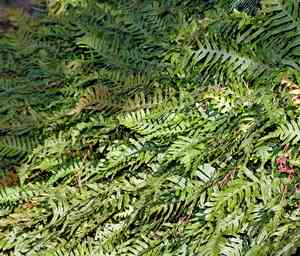
Polypodies are ferns that creep along the ground, trees, or rocks, with each frond emerging individually from a rhizome. The genus name *Polypodium* comes from Greek, meaning "many little feet."
In This Article
Attributes of Polypodies (Polypodium)
Lifespan
Perennial
Plant Height
Generally up to 60 cm (24 inches)
Spread
N/A
Leaf Color
Green
Flower Size
N/A
Flower Color
N/A
Images of Polypodies (Polypodium)
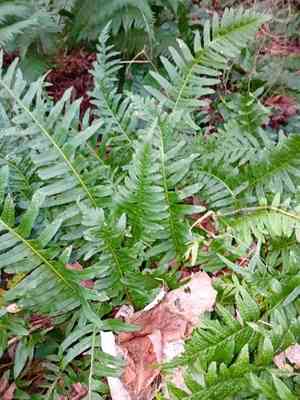
Quickly Identify Polypodies (Polypodium)
1
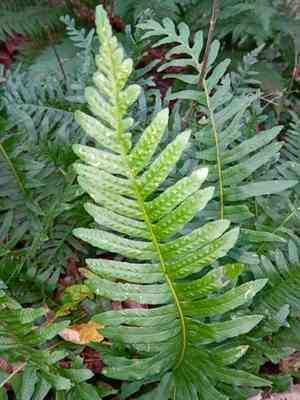
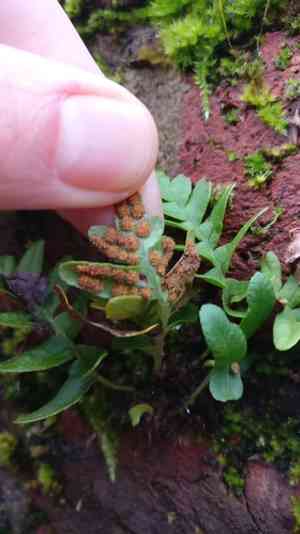
Polypody ferns can be identified by their creeping rhizomes covered in brown scales, their pinnatifid fronds, and the round sori scattered along the back of the fronds.
Scientific Classification of Polypodies (Polypodium)
Phylum
Pteridophyta
Class
Polypodiopsida
Order
Polypodiales
Family
Polypodiaceae
Genus
Polypodium
Planting and Growing of Polypodies (Polypodium)
Care Difficulty
Easy
Watering Schedule
Every 2 days
Sunlight Requirements
Partial sun
Sunshine Duration
6-8 hours
Ideal Temperature
60-75℉
Soil Type
Potting Mix, Peat Mix
Soil pH
6-7.5
Fertilizer Type
Balanced
Pruning Season
Spring, Summer
Pruning Area
Branches, Leaves
Pruning Frequency
2 times a year
Repotting Season
Spring
Pot Type
Plastic, Ceramic
 How to Water Polypodies (Polypodium)?
For Polypodium, ensure that the soil is kept consistently damp but not waterlogged. This means watering the plant until moisture just begins to seep from the drainage holes of its pot, which generally equates to about 200 milliliters per session.
What are the symptoms of an underwatered Polypodies (Polypodium)?
›
What should I do if my Polypodies (Polypodium) is not getting enough water?
›
What are the symptoms of an overwatered Polypodies (Polypodium)?
›
How to save an overwatered Polypodies (Polypodium)?
›
 What Are the Sunlight Requirements for Polypodies (Polypodium)?
Partial sunlight is optimal. This allows Polypodium to photosynthesize effectively, resulting in lush foliage and robust growth while minimizing stress or damage.
What is the best lighting for Polypodium?
›
How can you provide ideal lighting?
›
What benefits does optimal light provide?
›
 What Is the Ideal Temperature Range for Polypodies (Polypodium)?
Polypodium thrives best within a temperature range of 60°F to 75°F. This range supports optimal growth, photosynthesis, and nutrient absorption. Staying within this temperature window ensures the plant remains healthy and vibrant, with strong frond development.
 What Soil is Best for Polypodies (Polypodium)?
Polypodium thrives in soils that hold moisture well without becoming waterlogged. Good moisture retention supports the plant's hydration needs, ensuring lush growth and vibrant fronds. Having nutrient-rich soil is crucial for Polypodium, as it helps sustain its growth by providing essential minerals and nutrients, resulting in healthy and vigorous plant development. While retaining moisture, the soil should also facilitate adequate drainage to prevent root rot. This balance helps maintain the plant's root health, avoiding over-saturation.
 How to Fertilize Polypodies (Polypodium)?
For Polypodium, it is ideal to use a balanced liquid fertilizer at half strength. Apply about 100 ml per plant, ensuring the roots are well saturated without overflowing. This will provide essential nutrients without risking root burn.
 How to Prune Polypodies (Polypodium)?
Begin pruning your Polypodium by identifying any dead or yellowing fronds. Using sharp, sterilized scissors or pruning shears, carefully cut these unhealthy fronds at their base. This encourages new growth and prevents disease spread. Additionally, trim any overly long or unruly fronds to maintain the plant's shape. Engage regularly with your plant to ensure optimal light penetration and airflow among the foliage, promoting a healthy environment for your Polypodium.
 How to Propagate Polypodies (Polypodium) plant?
1
Prior to division, ensure the parent Polypodium is well-watered and healthy. This helps reduce stress during the division process and promotes successful rooting of the new sections.
2
Use a sharp spade or knife to cut through the rhizome, ensuring each section has leaves and roots. Handle with care to preserve the plant's integrity and minimize root damage.
3
Plant the divided sections in a sterilized potting mix. Arrange them at the same depth they were growing originally, and water thoroughly to encourage root establishment.
 How to Repot Polypodies (Polypodium) plant?
1
Polypodium requires repotting when roots start to outgrow the current pot or when the soil becomes too compacted. These signs are usually evident when you notice reduced water absorption or visible roots emerging from drainage holes. Early spring is ideal, as new growth accelerates during this period, allowing for quick recovery.
2
Selecting the right pot is crucial. Opt for a pot slightly larger than the previous one to provide extra growth space without overwhelming the plant. Ensure it has ample drainage holes to prevent waterlogging, which helps maintain an optimal moisture balance and avoids root rot.
3
For Polypodium, a light, well-draining soil with rich organic matter is essential. This type of soil provides the perfect balance of nutrients and aeration, facilitating robust growth and healthy roots. A loose soil mix also helps prevent water from pooling around the roots.

