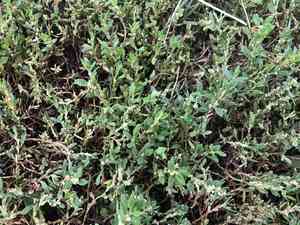
Prostrate knotweed (Polygonum aviculare)
Also known as: Doorweed , Wiregrass, Birdgrass, Pigweed
Prostrate knotweed (Polygonum aviculare) is a ground-hugging plant that can establish itself almost anywhere. It blooms with numerous small white flowers during the summer and generates a large quantity of seeds that remain viable for years. These seeds can stay dormant in the soil and germinate when exposed to sunlight. Due to its very low growth habit, mowing does not effectively eliminate prostrate knotweed, as the blades typically miss cutting it, and it can easily regrow from its resilient root system.
In This Article
Attributes of Prostrate knotweed
Lifespan
Annual, Perennial
Plant Type
Herb
Plant Height
10 cm to 40 cm
Spread
60 cm to 90 cm
Leaf Color
Green
Flower Size
2 mm to 5 mm
Flower Color
White Green Red
Images of Prostrate knotweed
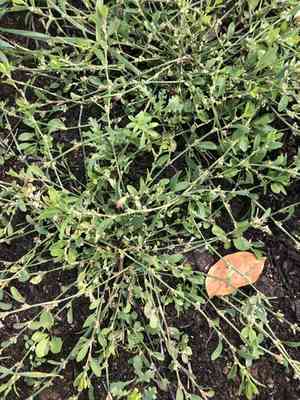
Quickly Identify Prostrate knotweed
1
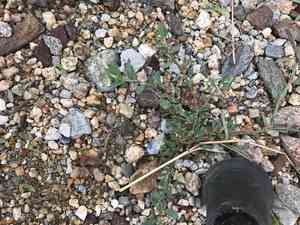
Sprawling habit with stems up to 3 feet (91 cm) long.
2
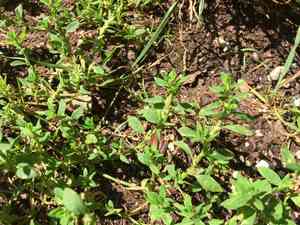
Oval, pointed leaves with a smooth texture and alternate arrangement.
3
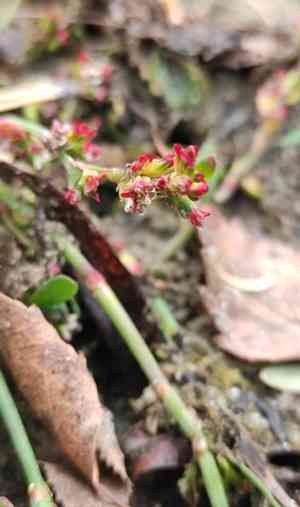
Tiny, inconspicuous flowers with greenish-white hue in leaf nodes.
4
Small, 3-angled hard achene fruit, brown to reddish-brown in color.
5
Stems matted and wiry, branching frequently for a dense appearance.
Scientific Classification of Prostrate knotweed
Phylum
Vascular plants
Class
Dicotyledons
Order
Caryophyllales
Family
Buckwheat
Genus
Knotweeds
Species
Prostrate knotweed
Planting and Growing of Prostrate knotweed
Care Difficulty
Easy
Watering Schedule
Every 2 days
Sunlight Requirements
Full sun
Sunshine Duration
6-8 hours
Ideal Temperature
60-75℉
Soil Type
Potting Mix, Peat Mix
Soil pH
6.5-7.5
Fertilizer Type
Balanced
Pruning Season
Spring, Summer
Pruning Area
Branches, Leaves
Pruning Frequency
2 times a year
Repotting Season
Spring
Pot Type
Ceramic, Plastic
 How to Water Prostrate knotweed?
For Polygonum aviculare, watering thoroughly but infrequently is key. Ensure the soil is moistened to about 10-15 cm deep, allowing the roots to access hydration without waterlogging the soil. This helps in maintaining a balance that supports healthy growth.
What are the symptoms of an underwatered Prostrate knotweed?
›
What should I do if my Prostrate knotweed is not getting enough water?
›
What are the symptoms of an overwatered Prostrate knotweed?
›
How to save an overwatered Prostrate knotweed?
›
 What Are the Sunlight Requirements for Prostrate knotweed?
Ideally, Polygonum aviculare thrives in conditions that offer partial to full sun exposure. This environment promotes healthy photosynthesis, leading to robust growth and a dense, sprawling habit suited to its natural habitats.
What is the ideal amount of sunlight for Polygonum aviculare?
›
How can I ensure consistent light exposure?
›
What are the benefits of proper sunlight exposure?
›
 What Is the Ideal Temperature Range for Prostrate knotweed?
The ideal temperature range for cultivating Polygonum aviculare is between 60°F and 75°F. This range provides optimal conditions for its growth and development, ensuring that its physiological processes are not hindered by temperature-related stress.
 What Soil is Best for Prostrate knotweed?
Polygonum aviculare thrives in well-draining soils because they prevent roots from sitting in water, reducing the risk of root rot and promoting healthy growth. This plant benefits from soil rich in organic matter as it provides essential nutrients for robust growth and good foliage development. Maintaining moderate soil moisture levels helps Polygonum aviculare sustain its vitality during dry spells, ensuring lush, green foliage and healthy blooms.
 How to Fertilize Prostrate knotweed?
For Polygonum aviculare, you should apply a balanced fertilizer with an NPK ratio of 10-10-10. Use 20 grams per square meter for slow-release fertilizers, ensuring even distribution across the soil surface.
 How to Prune Prostrate knotweed?
Start pruning by removing any damaged or dead stems at the base of the plant. Use sharp pruning shears to make clean cuts, which promotes better healing and helps prevent disease. This step rejuvenates the plant by directing energy to healthier parts. Shape the plant by trimming overgrown or extended stems to maintain a compact form. Focus on cutting just above a leaf node to encourage bushier growth. This shaping keeps the plant tidy and prevents it from overtaking surrounding spaces. Cut back seed heads immediately after flowering to prevent self-seeding if you want to limit its spread. Removing seed heads also promotes tidiness and redirects the plant's energy back into vegetative growth rather than seed production.
 How to Propagate Prostrate knotweed plant?
1
Begin by collecting mature seeds from a healthy Polygonum aviculare plant. Clean them thoroughly and let them dry naturally before planting. This ensures the seed coat is free of diseases or mold.
2
Fill a seed tray with a high-quality seed-starting soil mix. Plant the seeds at a depth of about 0.5 inches and cover lightly with soil. Mist the surface with water to provide adequate moisture for germination.
3
Choose a healthy stem from the parent plant and use pruning shears to cut a piece that is about 4–6 inches long. Ensure the cutting has a few sets of leaves and is free from any signs of disease.
 How to Repot Prostrate knotweed plant?
1
Repotting Polygonum aviculare is crucial when you notice roots poking out of the drainage holes, or if growth seems stunted despite optimal conditions. Ideally, this should be done in spring or autumn when the plant is not in active growth. Pay attention to the signs of the plant being root-bound or when water quickly drains without saturating the soil, indicating compacted roots.
2
When selecting a pot for Polygonum aviculare, opt for one that is slightly larger than the current one, with adequate drainage holes. Clay or terracotta pots are ideal as they allow moisture and air to move through the walls, preventing root rot. A well-ventilated pot encourages healthy root growth and avoids waterlogging.
3
Choose a sandy, well-draining soil mix to repot Polygonum aviculare. A mixture containing perlite or sand works well, ensuring that excess water can escape easily. This soil structure prevents root rot and mimics the plant's natural growing conditions, providing essential nutrients and aeration for vigorous growth.



