Angular solomon's seal(Polygonatum odoratum)

Angular solomon's seal (Polygonatum odoratum)

Also known as: Lady's-seal

Polygonatum odoratum, also known as Scented Solomon's Seal or Aromatic Solomon's Seal, is a flowering plant related to asparagus. It is native to regions including Europe, Russia, Siberia, and China, and is noted for its distinctive vanilla fragrance.

Attributes of Angular solomon's seal

Lifespan
Perennial
Plant Type
Herb
Plant Height
20 cm to 50 cm
Spread
45 cm
Leaf Color
Green Blue
Flower Size
1 cm
Flower Color
White Cream Green

ForwardPlant - Identify plants with a snap

Identify and diagnose plants, get toxicity alerts, and explore safety guides for all types of fungi.

Try for Free

Images of Angular solomon's seal

Angular solomon's seal(Polygonatum odoratum)

Quickly Identify Angular solomon's seal

1
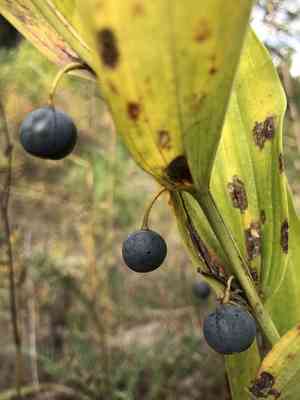
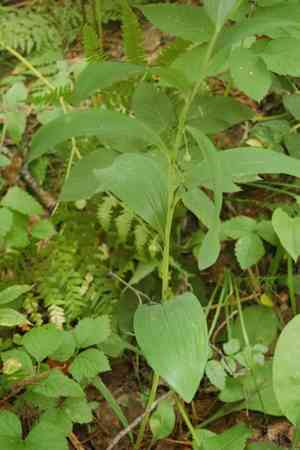
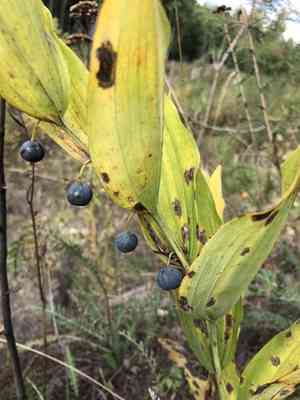
To identify Polygonatum odoratum, look for arching stems typically 30-90 cm tall, with alternate, oval to lance-shaped leaves. The flowers are greenish-white, tubular, and hang in small clusters from the leaf axils. The berries are blue-black and ripen in late summer.

Scientific Classification of Angular solomon's seal

Phylum
Vascular plants
Class
Monocotyledons
Order
Asparagus and allies
Family
Asparagus
Genus
Solomon's seal
Species
Angular solomon's seal

Planting and Growing of Angular solomon's seal

Care Difficulty
Easy
Watering Schedule
Every 3 days
Sunlight Requirements
Partial sun
Sunshine Duration
4-8 hours
Ideal Temperature
60-77℉
Soil Type
Potting Mix, Peat Mix
Soil pH
6.5-7.5
Fertilizer Type
Balanced
Pruning Season
Spring, Summer
Pruning Area
Branches, Leaves
Pruning Frequency
2 times a year
Repotting Season
Spring
Pot Type
Plastic, Ceramic

water icon How to Water Angular solomon's seal?

Polygonatum odoratum requires a moderate amount of water. It is essential that the soil remains consistently moist but never waterlogged. When watering, aim to thoroughly moisten the top 5 to 10 centimeters of soil. This ensures that the underground rhizomes receive adequate hydration without the risk of root rot, which can be detrimental to the plant's health.
What are the symptoms of an underwatered Angular solomon's seal?
What should I do if my Angular solomon's seal is not getting enough water?
What are the symptoms of an overwatered Angular solomon's seal?
How to save an overwatered Angular solomon's seal?

sunlight icon What Are the Sunlight Requirements for Angular solomon's seal?

Sunlight Requirements: Partial sun
Duration of light: 4 to 6 hours
Polygonatum odoratum ideally requires partial sun with filtered light, enhancing photosynthesis and promoting vibrant growth while minimizing stress and dehydration.
What are its ideal lighting conditions?
How to achieve ideal lighting?
What benefits does ideal light offer?
More About Sunlight Requirements Techniques

temperature icon What Is the Ideal Temperature Range for Angular solomon's seal?

Ideal Temperature: 60 ~ 77℉
Polygonatum odoratum thrives best in moderate temperatures ranging from 60°F to 77°F. Within this range, the plant can maintain optimal growth and health, allowing it to develop vibrant foliage and blooms. Maintaining this temperature range ensures that the plant's metabolic processes function efficiently.

soil icon What Soil is Best for Angular solomon's seal?

Soil type: Loam, Sandy loam
Soil PH: 6.5 ~ 7.5
Polygonatum odoratum thrives in well-drained soil as it prevents root rot by allowing excess water to flow away. This ensures healthy root development and optimal plant growth. Consistent moisture is key for Polygonatum odoratum. The soil should retain enough water to keep it consistently moist, mimicking its natural woodland habitat. Rich in organic matter, the soil should provide essential nutrients by decomposing natural materials, thus promoting vigorous growth and prolific flowering. More About Soil

fertilize icon How to Fertilize Angular solomon's seal?

Fertilizer type: Balanced
Polygonatum odoratum prefers a balanced approach to fertilization, meaning you should aim for moderate feeding. When using liquid fertilizer, dilute it to half the recommended strength to avoid overwhelming the plant's delicate roots. For slow-release fertilizers, apply at the suggested rate on the package based on plant size and soil type. Overfeeding can lead to lush foliage at the expense of flowers and plant health. More About Fertilizing Techniques

prune icon How to Prune Angular solomon's seal?

Pruning Time: Autumn
After the flowering period in late summer, inspect the plant for any dead or withering stalks. Cut these back to the ground to maintain the plant's appearance and health, preventing any potential disease. As the season progresses into autumn, you'll notice the leaves start to yellow and die back naturally. Trim these leaves back to just above the base of the plant to prepare it for winter dormancy. More About Pruning Techniques

propagate icon How to Propagate Angular solomon's seal plant?

Propagate Time: Spring, Early spring
1
Use well-draining, nutrient-rich soil to ensure healthy root development. It's essential to prepare the soil to the right pH level, ideally between 5.5 and 6.0, to promote growth.
2
Select healthy parent plants and cut 5-10 cm sections just below a node. Remove the lower leaves to reduce moisture loss and plant them promptly in moist soil.
3
For division, carefully dig up the plant and separate the rhizomes with a sterilized knife. Replant the divisions at the same depth to prevent stress on the plants.
More About Propagating Techniques

repot icon How to Repot Angular solomon's seal plant?

Repotting frequency: Every 2-3 years
1
Repotting Polygonatum odoratum should be done when the plant shows signs of over-crowding in its container, often indicated by slowed growth, roots coming out of drainage holes, or when the soil loses its ability to retain moisture effectively. These are strong signals that it is time to give the plant new space and substrate to thrive.
2
When selecting a new pot for your Solomon's Seal, aim for one that is just slightly larger than the current pot. A pot that is too large can retain excess moisture, leading to root rot. Ensure the pot has good drainage holes to facilitate water escape, thereby preventing waterlogging while promoting healthy root aeration.
3
The ideal soil mix for Polygonatum odoratum should be well-draining yet humus-rich to support its growth. A loamy mix, incorporating organic matter such as compost or leaf mold, will serve well as it maintains necessary moisture without causing excessive water retention, fostering a healthy balance for root development and nutrient uptake.

ForwardPlant - Identify plants with a snap

Find the best spots for them to optimize their health, simply using your phone.

Try for Free

Toxicity of Angular solomon's seal

Is Angular solomon's seal toxic to humans?

The stems, leaves, and berries of angular solomon's seal are harmful to humans if consumed. While the young shoots can occasionally be boiled and prepared similarly to asparagus, accidental consumption of the other toxic components of the plant is more likely to lead to poisoning. The level of toxicity is regarded as low, with symptoms of poisoning including vomiting and diarrhea. Angular solomon's seal is often seen as a cultivated plant in gardens.

Identify toxic plants for your safety

Learn which plants are harmful to you and your pets, and make informed choices for a safer home!

Try for Free
WARNING
The judgment on toxicity and danger is for reference only. We DO NOT GUARANTEE any accuracy of such judgment. Therefore, you SHALL NOT rely on such judgment. It is IMPORTANT TO SEEK PROFESSIONAL ADVICE in advance when necessary.
More About Toxic Techniques