
Coastal plain milkwort (Polygala setacea)
Also known as: Hairy Milkwort, Setaceous Milkwort
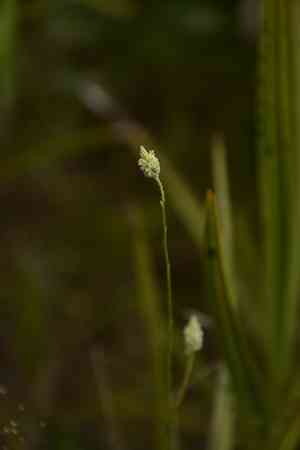
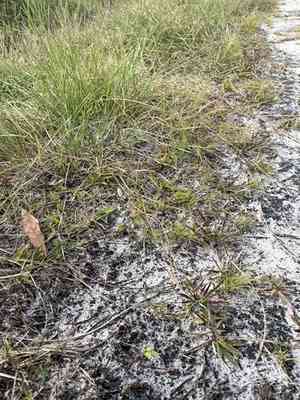
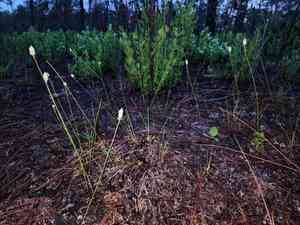
Coastal plain milkwort is a delicate, slender perennial herb characterized by its narrow, grass-like leaves and small, vibrant pink to purple flowers. These flowers, which resemble tiny butterflies, attract specific pollinators. The plant thrives in wet, sandy soils typically found in coastal plains, such as pine savannas and wet meadows. Despite its delicate look, coastal plain milkwort is hardy and well-adapted to sunny, open habitats, handling dry, well-drained conditions with ease.
In This Article
Attributes of Coastal plain milkwort
Lifespan
Perennial
Plant Type
Herb
Plant Height
0 mm to 30 cm
Spread
N/A
Leaf Color
Green
Flower Size
1-2 cm
Flower Color
Pink, Purple
Images of Coastal plain milkwort

Quickly Identify Coastal plain milkwort
1
To identify Polygala setacea, look for its thin, wiry stems, small lanceolate leaves, and bright pink or purple flowers that appear in clusters.
Scientific Classification of Coastal plain milkwort
Phylum
Vascular plants
Class
Dicotyledons
Order
Fabales
Family
Milkwort
Genus
Milkworts
Species
Coastal plain milkwort
Planting and Growing of Coastal plain milkwort
Care Difficulty
Moderate
Watering Schedule
Every 4 days
Sunlight Requirements
Partial sun
Sunshine Duration
6-10 hours
Ideal Temperature
65-75℉
Soil Type
Potting Mix, Peat Mix
Soil pH
6-7.5
Fertilizer Type
Balanced
Pruning Season
Spring, Summer
Pruning Area
Branches, Leaves
Pruning Frequency
2 times a year
Repotting Season
Spring
Pot Type
Plastic, Ceramic
 How to Water Coastal plain milkwort?
For Polygala setacea, aim for watering that keeps the soil consistently moist but not waterlogged. About 150 milliliters per session is an ideal amount to ensure the roots receive sufficient moisture without drowning. Adjust based on environmental conditions, ensuring the top inch of soil is dry before re-watering.
What are the symptoms of an underwatered Coastal plain milkwort?
›
What should I do if my Coastal plain milkwort is not getting enough water?
›
What are the symptoms of an overwatered Coastal plain milkwort?
›
How to save an overwatered Coastal plain milkwort?
›
 What Are the Sunlight Requirements for Coastal plain milkwort?
The ideal light range for Polygala setacea is partial to full sun, which allows the plant to metabolize efficiently and promote its stunning floral display. Adequate light strengthens its stems and enhances the vibrancy of its foliage and blooms.
What is the best lighting condition for Polygala setacea?
›
How can I ensure Polygala setacea gets ideal light?
›
What benefits will my Polygala setacea experience with ideal lighting?
›
 What Is the Ideal Temperature Range for Coastal plain milkwort?
The ideal temperature range for growing Polygala setacea is between 65°F to 75°F. This range allows the plant to photosynthesize efficiently and promotes robust growth. Within this temperature range, the plant's metabolic processes are optimized, leading to healthy development and flowering.
 What Soil is Best for Coastal plain milkwort?
Polygala setacea thrives in well-drained soil conditions. This ensures that excess water is not retained around the roots, preventing root rot and other water-related diseases. Good drainage enhances root oxygen levels, promoting robust plant health. A nutrient-rich soil aids in the optimal growth of Polygala setacea. It provides essential nutrients like nitrogen, phosphorus, and potassium, facilitating healthy foliage, strong stems, and vibrant blooms. Regular organic matter addition can boost this nutrient availability. This species favors slightly acidic soil environments. A pH between 6.0 and 7.5 optimizes nutrient uptake and supports microbial activity beneficial for plant health, enhancing overall growth and flowering.
 How to Fertilize Coastal plain milkwort?
Polygala setacea has moderate nutrient requirements. When using a liquid fertilizer, it's ideal to use a balanced formula diluted to about half the recommended strength. For slow-release options, use approximately one tablespoon per square foot.
 How to Prune Coastal plain milkwort?
Before starting, take a close look at the plant to identify which stems need cutting. Look for those that do not contribute to the plant's overall form or health, such as crossing branches or congested areas. After pruning, be sure to water the plant adequately and apply a balanced fertilizer. This encourages new growth and supports recovery from the cutting process.
More About Pruning Techniques→
 How to Propagate Coastal plain milkwort plant?
1
Collect seeds from mature pods and clean them to remove any debris. This step is vital to ensure that the seeds are ready for sowing and free from pathogens that could affect germination.
2
Sow the seeds in seed trays filled with a well-draining seed-starting mix. Lightly cover them with soil. Adequate spacing ensures healthy seedling growth without overcrowding.
3
Take healthy cuttings of about 10cm in length. Dip the cut end in a rooting hormone before planting in moist, well-aerated potting mix. This encourages root development and increases propagation success.
 How to Repot Coastal plain milkwort plant?
1
Repotting Polygala setacea should be considered when you observe roots growing out of the drainage holes or the soil is no longer draining properly. Additionally, if the plant appears root-bound or the growth has stagnated despite regular care, it might be time to repot.
2
Select a pot that is only one size larger than the current one, ideally with good drainage holes. This prevents excess soil that can hold moisture, which could lead to root rot. Clay pots are recommended as they allow better air circulation to the roots.
3
Use a well-draining sandy mix that mimics the plant's natural habitat. This type of soil ensures that excess water drains rapidly, thereby discouraging root rot and creating optimal conditions for Polygala setacea's root development.
Learn More About Coastal plain milkwort Diseases
Anthracnose
Bacterial Leaf Spot
Bacterial Soft Rot
Bacterial Wilt
Chemical Injury
Damping-off
Downy Mildew
Drought Stress
Fusarium Wilt
Gray Mold
Leaf Spot
Mosaic
Nutrient Deficiency
Nutrient Toxicity
Powdery Mildew
Root Rot
Root-knot Nematode
Rusts
Sooty Mold
Spider Mites
Temperature Stress
Thrips Damage
White Mold



