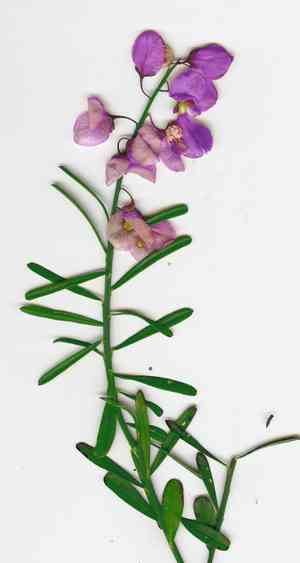
Bubblegum plant (Polygala paniculata)
Also known as: Orosne
The bubblegum plant (Polygala paniculata) is a small herb belonging to the milkwort family, commonly found in open grassy regions and scrublands. Notably, its roots emit a root beer-like aroma due to the presence of methyl salicylate, a compound also used as a flavoring agent in root beer.
In This Article
Attributes of Bubblegum plant
Lifespan
Annual
Plant Type
Herb
Plant Height
20 cm to 61 cm
Spread
No distinct crown, generally thin and erect.
Leaf Color
Green
Flower Size
2.5 cm
Flower Color
White Pink
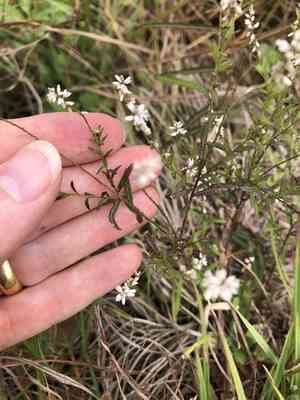
Images of Bubblegum plant
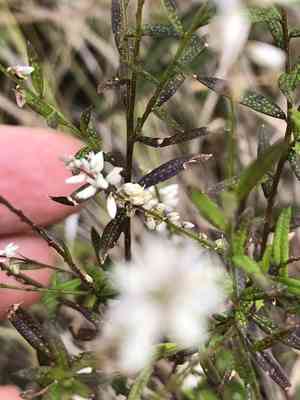
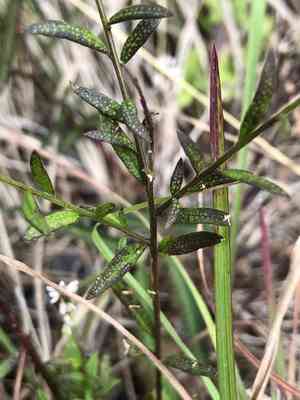
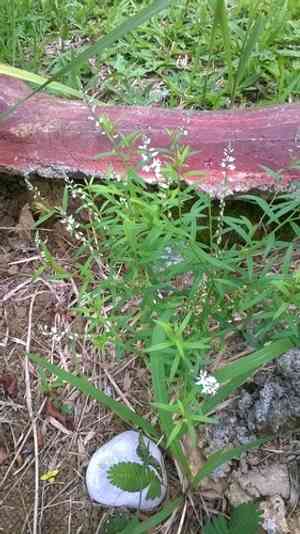
Quickly Identify Bubblegum plant
1
Polygala paniculata can be identified by its slender, erect stems, small lanceolate leaves, and tiny purple or pink flowers which are often arranged in loose, spike-like panicles.
Scientific Classification of Bubblegum plant
Phylum
Vascular plants
Class
Dicotyledons
Order
Fabales
Family
Milkwort
Genus
Milkworts
Species
Bubblegum plant
Planting and Growing of Bubblegum plant
Care Difficulty
Easy
Watering Schedule
Every 4 days
Sunlight Requirements
Full sun
Sunshine Duration
6-12 hours
Ideal Temperature
68-77℉
Soil Type
Potting Mix, Peat Mix
Soil pH
6.5-7.5
Fertilizer Type
Balanced
Pruning Season
Spring, Summer
Pruning Area
Branches, Leaves
Pruning Frequency
2 times a year
Repotting Season
Spring
Pot Type
Plastic, Ceramic
 How to Water Bubblegum plant?
For Polygala paniculata, the amount of water should reach about 250 ml per session. Ensure that the soil is evenly moist but not soggy, allowing excess water to drain out. The balance is key; the soil should be moist to touch without pooling water.
What are the symptoms of an underwatered Bubblegum plant?
›
What should I do if my Bubblegum plant is not getting enough water?
›
What are the symptoms of an overwatered Bubblegum plant?
›
How to save an overwatered Bubblegum plant?
›
 What Are the Sunlight Requirements for Bubblegum plant?
This plant flourishes in full to partial sun, benefiting from at least 4 to 6 hours of daily sun exposure. Ideal light facilitates robust growth, vibrant flowering, and resilient plant structure.
More About Sunlight Requirements Techniques→
What is the best light condition for Polygala paniculata?
›
How can I ensure my plant gets the right amount of light?
›
What benefits does ideal lighting provide to my plant?
›
 What Is the Ideal Temperature Range for Bubblegum plant?
The ideal temperature range for cultivating Polygala paniculata is between 68°F and 77°F. This range ensures optimal growth and flowering, as the plant thrives in warm, consistent temperatures that mimic its natural subtropical habitat. Maintaining this temperature range helps in achieving healthy foliage and vibrant blooms.
 What Soil is Best for Bubblegum plant?
Polygala paniculata thrives in well-drained soil, which helps prevent root rot and ensures the plant receives the right amount of moisture. This is crucial as stagnant water can suffocate the roots and cause decay. The plant requires soil of moderate fertility to support its growth without the risk of nutrient burn. This balance allows for optimal development of foliage and blossoms without the excess nutrients stunting growth or producing weak limbs. Including organic matter in the soil boosts its structure and nutrient profile, enhancing the plant's health. Organic matter improves soil aeration and nutrient availability, crucial for vibrant growth.
 How to Fertilize Bubblegum plant?
The ideal amount of fertilizer for Polygala paniculata should be moderate, ensuring balanced nutrient supply. Use half the recommended dose on the fertilizer package, as these plants prefer less rigorous feeding. Avoid over-fertilization to prevent roots from burning.
 How to Prune Bubblegum plant?
Begin by carefully examining your Polygala paniculata for dead or damaged stems. These parts should be cut back to the base with sharp, clean pruning shears. Removing these dead sections will channel the plant's energy into producing new and healthy shoots, enhancing its overall vigor and appearance. After you've eliminated the dead stems, proceed to shape the plant by trimming back overly long branches. Aim for a bushier form by cutting the branches just above a leaf node to promote lateral growth. This not only helps maintain the desired structure but also can lead to more flower production.
More About Pruning Techniques→
 How to Propagate Bubblegum plant plant?
1
Once the flowers have died back, collect the seeds carefully. Ensure the seeds are dry and free from disease before storing them for sowing. This prevents rot and disease transmission.
2
Select a healthy, mature stem and cut a 10-15cm section just below a node. Remove the lower leaves to focus energy on rooting, and dip the cut end in a rooting hormone for best results.
3
Sow the seeds in a prepared seed tray filled with a mix of soil and compost. Lightly cover them with soil and water gently. Ensure consistent moisture without making the soil waterlogged.
 How to Repot Bubblegum plant plant?
1
Polygala paniculata should be repotted when you notice its roots beginning to grow out of the drainage holes, or if the growth seems stunted despite proper care. Another signal is if water is running straight through the pot because the soil has become too compact. These signs usually appear every 1-2 years.
2
Select a pot that is only one size larger than the current one. This prevents excessive soil moisture, which can lead to root rot. Ensure the pot has good drainage holes to allow excess water to escape, promoting healthy root growth. A slightly porous material like terracotta can help to keep moisture levels balanced.
3
Opt for a well-draining potting mix, ideally one that includes sand or perlite to enhance drainage. This mix will prevent waterlogging, which can be detrimental to the plant's roots. The well-draining properties will mimic the plant’s natural conditions and ensure it thrives in its new environment.
Learn More About Bubblegum plant Diseases
Anthracnose
Bacterial Leaf Spot
Bacterial Wilt
Chemical Injury
Damping-off
Downy Mildew
Drought Stress
Fusarium Wilt
Gray Mold
Leaf Curl
Leaf Spot
Mosaic
Nutrient Deficiency
Nutrient Toxicity
Powdery Mildew
Root Rot
Root-knot Nematode
Rusts
Sooty Mold
Spider Mites
Temperature Stress
Thrips Damage
White Mold



