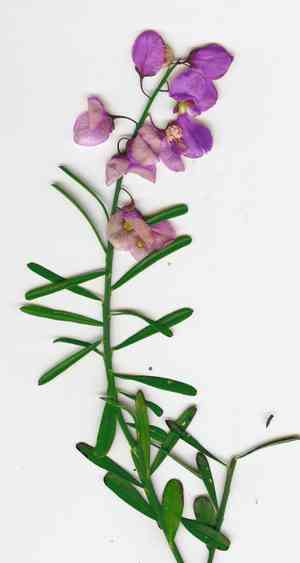
Orange milkwort (Polygala lutea)
Also known as: Candy Weed, Bog Bachelor's Button
The common name "orange milkwort" comes from the plant's striking orange flowers. However, its Latin name "Polygala lutea" refers to the color yellow; the flowers take on a yellowish tint when dried. This wildflower is native to the southeastern United States.
In This Article
Attributes of Orange milkwort
Lifespan
Biennial
Plant Type
Herb
Plant Height
45 cm
Spread
30 cm
Leaf Color
Green
Flower Size
2.5 cm
Flower Color
Orange
Images of Orange milkwort
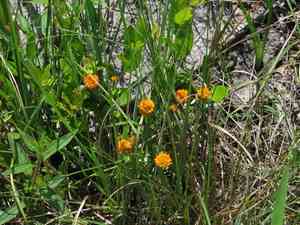
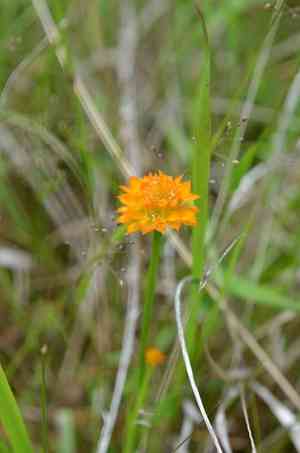
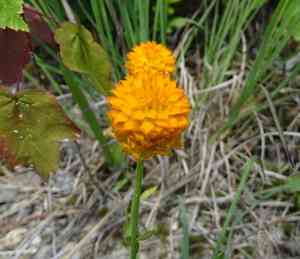
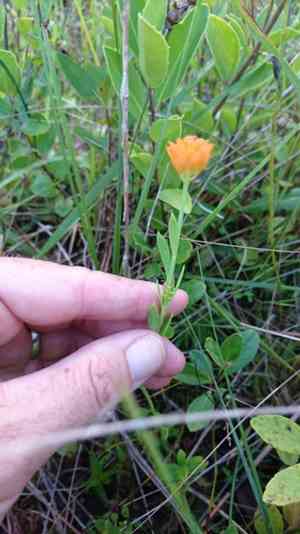
Quickly Identify Orange milkwort
1
Vibrant yellow flowers in compact clusters, lacking scent, bloom from April to October.
2
Small, dry capsule fruit measuring 0.2 inches (5 mm), ripening to brown color, with black shiny seeds.
3
Slender stems, 4 to 6 inches (10 to 15 cm), branched in upper half, flexible with green coloration.
4
Elliptical to lanceolate leaves, 0.75 to 1.5 inches (1.9 to 3.8 cm), nearly succulent with subtle vein patterns.
5
Diminutive stature, reaching 1 to 2 feet (30 to 60 cm) in height, with alternating lance-shaped leaves.
Scientific Classification of Orange milkwort
Phylum
Vascular plants
Class
Dicotyledons
Order
Fabales
Family
Milkwort
Genus
Milkworts
Species
Orange milkwort
Planting and Growing of Orange milkwort
Care Difficulty
Easy
Watering Schedule
Every 2 days
Sunlight Requirements
Full sun
Sunshine Duration
4-8 hours
Ideal Temperature
60-75℉
Soil Type
Potting Mix, Peat Mix
Soil pH
4.5-6.5
Fertilizer Type
Balanced
Pruning Season
Spring, Summer
Pruning Area
Branches, Leaves
Pruning Frequency
2 times a year
Repotting Season
Spring
Pot Type
Terracotta, Plastic
 How to Water Orange milkwort?
Polygala lutea, commonly known as candyroot, requires a moderate amount of water, around 150 milliliters per session. The key is to maintain the soil evenly moist but not soggy. Aim to soak the soil thoroughly, allowing the moisture to reach the root zones, but make sure excess water can drain freely to avoid waterlogging.
What are the symptoms of an underwatered Orange milkwort?
›
What should I do if my Orange milkwort is not getting enough water?
›
What are the symptoms of an overwatered Orange milkwort?
›
How to save an overwatered Orange milkwort?
›
 What Are the Sunlight Requirements for Orange milkwort?
Polygala lutea thrives best in full to partial sun. Proper lighting optimizes its photosynthesis process and supports robust growth and flowering, enhancing its visual appeal and health.
More About Sunlight Requirements Techniques→
What is the ideal sunlight duration?
›
How to ensure it gets ideal lighting?
›
What benefits does ideal lighting offer?
›
 What Is the Ideal Temperature Range for Orange milkwort?
The ideal temperature range for cultivating Polygala lutea is between 60°F and 75°F. This range provides optimal conditions for growth, allowing the plant to develop healthy foliage and flowers. Maintaining this temperature helps prevent stress and promotes robust physiological processes.
 What Soil is Best for Orange milkwort?
Polygala lutea thrives in soils with excellent drainage. This allows roots to breathe and prevents root rot, ensuring healthy growth. Well-drained soil simulates its natural habitat and helps the plant absorb nutrients effectively. While the plant prefers well-drained soils, it also benefits from soil that retains some moisture. This balance avoids waterlogged conditions while keeping the roots hydrated, promoting continuous growth and vibrant foliage. The plant requires soils that are moderately rich in organic matter, providing it with essential nutrients. Organic content not only nourishes the plant but also enhances soil structure, facilitating root development and nutrient uptake.
 How to Fertilize Orange milkwort?
The amount of fertilizer for Polygala lutea should be carefully measured. Due to its preference for well-draining, acidic soils, use a balanced liquid fertilizer at half strength. Too much can overwhelm the plant's delicate root system, while too little may not provide needed nutrients. Adjust amounts based on the plant's growth phase—more during active growth and less during dormancy.
 How to Prune Orange milkwort?
Begin by examining the plant for any dead or damaged stems. Remove these to prevent disease. Next, trim back any excessively long stems to maintain a compact shape. Focus on cutting just above a node to encourage new growth in that area, promoting a fuller appearance. Pruning not only shapes the plant but also ensures that inner parts receive ample sunlight and airflow. Remove any crowded or crossing branches to open up the plant, which enhances its overall health and prevents fungal diseases by promoting better air circulation.
More About Pruning Techniques→
 How to Propagate Orange milkwort plant?
1
Prepare a seed tray with a well-draining potting mix, slightly moisten it. Ensure the mix is sterile to prevent any diseases affecting germinating seeds.
2
Gently press the seeds into the mix, covering them lightly with soil. Avoid burying them too deeply to ensure they receive adequate sunlight and moisture.
3
Choose healthy, non-flowering stems. Cut a 3-4 inch segment, remove the lower leaves, dip the cut end in rooting hormone, and plant in a pre-moistened potting mix.
 How to Repot Orange milkwort plant?
1
Polygala lutea needs repotting when it shows signs of being root-bound, such as roots emerging from the drainage holes or stunted growth. Repotting during the dormant seasons of spring or autumn can reduce transplant shock.
2
Select a pot that is just one size larger than the current one. This prevents excessive soil that can retain unwanted moisture, which might lead to root rot. Clay pots are preferable as they allow for better air circulation.
3
A well-draining sandy loam soil is ideal as it mimics the plant's natural acidic habitat, ensuring proper drainage and preventing waterlogging. Adding sand increases grit, promoting faster drainage and reducing root rot risks.
Learn More About Orange milkwort Diseases
Anthracnose
Bacterial Leaf Spot
Bacterial Wilt
Chemical Injury
Crown Gall
Cyst Nematode
Damping-off
Downy Mildew
Drought Stress
Fusarium Wilt
Gray Mold
Leaf Spot
Mosaic
Nutrient Deficiency
Nutrient Toxicity
Powdery Mildew
Root Rot
Root-knot Nematode
Rusts
Sooty Mold
Spider Mites
Temperature Stress
Thrips Damage
White Mold



