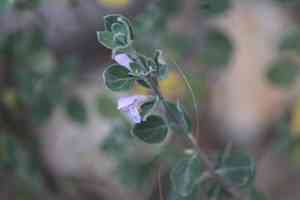
Rosemary-mint (Poliomintha) (Poliomintha)
Also known as: Mexican Oregano, Rosemary Mint
Poliomintha is a genus of flowering plants in the family Lamiaceae. These perennials are known for their aromatic leaves and tubular flowers, which are attractive to pollinators such as bees and hummingbirds.
In This Article
Attributes of Rosemary-mint (Poliomintha)
Lifespan
Perennial
Plant Height
1 to 3 feet
Spread
up to 2 feet
Leaf Color
Green
Flower Size
1 to 1.5 inches
Flower Color
Pink, White, Lavender
Images of Rosemary-mint (Poliomintha)
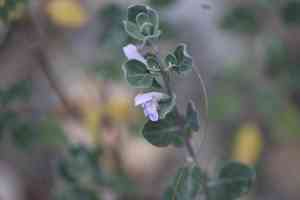
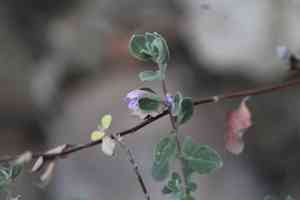
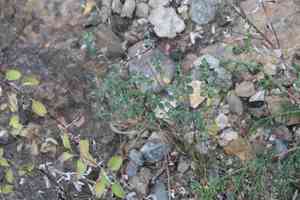

Quickly Identify Rosemary-mint (Poliomintha)
1
Poliomintha plants can be identified by their aromatic leaves, which are similar to those of oregano or mint. Their flowers are typically tubular and come in colors such as pink, white, or lavender. The plants have a shrubby appearance and tend to grow in well-drained soils.
Scientific Classification of Rosemary-mint (Poliomintha)
Phylum
Magnoliophyta
Class
Magnoliopsida
Order
Lamiales
Family
Lamiaceae
Genus
Poliomintha
Planting and Growing of Rosemary-mint (Poliomintha)
Care Difficulty
Easy
Watering Schedule
Every 2 days
Sunlight Requirements
Full sun
Sunshine Duration
6-12 hours
Ideal Temperature
65-75℉
Soil Type
Potting Mix, Peat Mix
Soil pH
6.5-7.5
Fertilizer Type
Balanced
Pruning Season
Spring, Summer
Pruning Area
Branches, Leaves
Pruning Frequency
2 times a year
Repotting Season
Spring
Pot Type
Plastic, Ceramic
 How to Water Rosemary-mint (Poliomintha)?
For Poliomintha, aim to water with about 250 ml each time. The soil should be thoroughly soaked but ensure that excess water drains away effectively. It's important that the roots do not sit in water, so a pot with good drainage is essential.
What are the symptoms of an underwatered Rosemary-mint (Poliomintha)?
›
What should I do if my Rosemary-mint (Poliomintha) is not getting enough water?
›
What are the symptoms of an overwatered Rosemary-mint (Poliomintha)?
›
How to save an overwatered Rosemary-mint (Poliomintha)?
›
 What Are the Sunlight Requirements for Rosemary-mint (Poliomintha)?
Poliomintha requires full sun to partial sun, benefitting from long, bright days that promote its health and flowering capability, ensuring lush and vibrant growth.
What is the best light condition for Poliomintha?
›
How can I ensure Poliomintha receives ideal lighting?
›
What are the benefits of ideal lighting for Poliomintha?
›
 What Is the Ideal Temperature Range for Rosemary-mint (Poliomintha)?
Poliomintha thrives in an environment where the temperature is consistently between 65 to 75°F. Such a range mimics its native habitat, encouraging optimal growth and vibrant blooms. Maintaining this range allows the plant to efficiently conduct photosynthesis and maintain cellular functions, resulting in a healthier plant.
 What Soil is Best for Rosemary-mint (Poliomintha)?
Poliomintha thrives in well-draining soil to prevent root rot. Ensuring the soil drains effectively allows for healthy root development and prevents waterlogging. While not overly demanding, Poliomintha benefits from nutrient-rich soil, which supports lush foliage and vigorous growth. Adding organic matter can enhance soil fertility. Keeping the soil moderately moist is essential for Poliomintha, as it allows the plant to maintain its health and vitality without the stress of drought or overwatering.
 How to Fertilize Rosemary-mint (Poliomintha)?
Poliomintha, being a hardy and drought-tolerant plant, does not require heavy fertilization. A light application of a balanced fertilizer, using about 1/4 to 1/2 teaspoon per gallon of water for liquid fertilizers, is generally sufficient. For slow-release fertilizers, apply roughly 1 tablespoon around the base.
 How to Prune Rosemary-mint (Poliomintha)?
Prune during the active growing seasons of spring and summer for best results. Avoid pruning in late autumn or winter, as this can expose the plant to frost damage. Trim back the longer stems to maintain a compact shape. This not only helps in improving the plant's appearance but also facilitates better air circulation. Pinch off or prune the tips of the stems regularly to encourage bushier growth and more prolific flowering. This keeps the plant vibrant and healthy.
 How to Propagate Rosemary-mint (Poliomintha) plant?
1
Choose healthy and disease-free plant materials for seed collection, cuttings, or division. Healthy material ensures vigorous growth and quicker establishment of new plants.
2
Prepare a suitable soil medium with good drainage and aeration, typically a mix of peat, perlite, and sand. This medium should support initial growth needs and prevent root rot.
3
Provide a controlled environment with high humidity and indirect sunlight for rooting cuttings or for seeds to germinate. You can use plastic covers or a propagator to maintain these conditions.
 How to Repot Rosemary-mint (Poliomintha) plant?
1
It's time to repot your Poliomintha when you notice roots growing out of the drainage holes, soil compactness preventing proper watering, or diminished plant growth, indicating the plant is root-bound.
2
Select a pot that's only slightly larger than the current one, ideally 1-2 inches wider. This prevents excessive soil retention that can lead to root rot, while giving the roots enough space to grow.
3
A well-draining potting mix is crucial for Poliomintha, as it thrives in such conditions. This kind of soil allows for adequate drainage, preventing waterlogged roots and ensuring healthy plant growth.
Learn More About Rosemary-mint (Poliomintha) Diseases
Anthracnose
Bacterial Leaf Spot
Bacterial Soft Rot
Crown Gall
Damping-off
Downy Mildew
Drought Stress
Fusarium Wilt
Gray Mold
Leaf Curl
Leaf Spot
Mosaic
Nutrient Deficiency
Nutrient Toxicity
Powdery Mildew
Root Rot
Root-knot Nematode
Rusts
Sooty Mold
Spider Mites
Temperature Stress
Thrips Damage
White Mold

