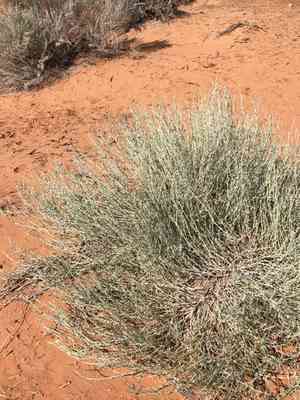
Hoary rosemary mint (Poliomintha incana)
Also known as: Desert rosemary
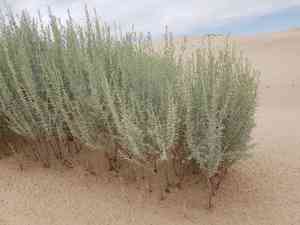
The shrub you're describing is notably aromatic, featuring dark green leaves often covered in fine white hairs. Its charming, fuzzy, tubular flowers appear in light purple and blue hues, sometimes adorned with small purple spots.
In This Article
Attributes of Hoary rosemary mint
Lifespan
Perennial
Plant Type
Shrub
Plant Height
30 cm to 91 cm
Spread
2-3 feet
Leaf Color
Green Blue
Flower Size
0.5-1 inch
Flower Color
Pink to lavender
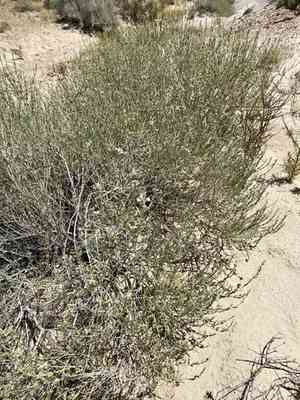
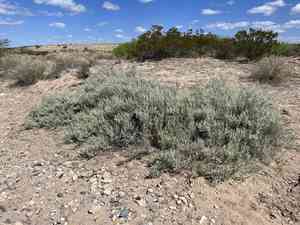
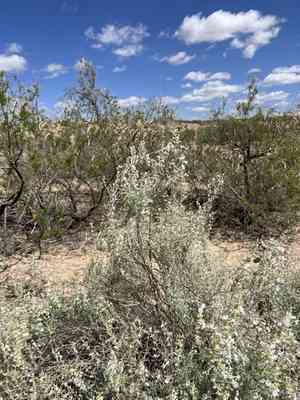
Images of Hoary rosemary mint
Quickly Identify Hoary rosemary mint
1
Look for its grayish-green, hairy leaves that resemble rosemary. The plant produces tubular pink or lavender flowers, typically blooming from late spring to fall. Crushing the leaves releases a distinctive oregano-like scent.
Scientific Classification of Hoary rosemary mint
Phylum
Vascular plants
Class
Dicotyledons
Order
Lamiales
Family
Mint
Genus
Rosemary-mint
Species
Hoary rosemary mint
Planting and Growing of Hoary rosemary mint
Care Difficulty
Easy
Watering Schedule
Every 2 days
Sunlight Requirements
Full sun
Sunshine Duration
4-8 hours
Ideal Temperature
65-75℉
Soil Type
Potting Mix, Peat Mix
Soil pH
6.5-7.5
Fertilizer Type
Balanced
Pruning Season
Spring, Summer
Pruning Area
Branches, Leaves
Pruning Frequency
2 times a year
Repotting Season
Spring
Pot Type
Plastic, Ceramic
 How to Water Hoary rosemary mint?
Poliomintha incana, this resilient plant, should be watered deeply, ensuring the soil is thoroughly drenched but not soggy. A good rule of thumb is to let the top inch of soil dry out completely before adding 500 ml of water, promoting healthy root growth and preventing water-logged conditions.
What are the symptoms of an underwatered Hoary rosemary mint?
›
What should I do if my Hoary rosemary mint is not getting enough water?
›
What are the symptoms of an overwatered Hoary rosemary mint?
›
How to save an overwatered Hoary rosemary mint?
›
 What Are the Sunlight Requirements for Hoary rosemary mint?
Poliomintha incana prefers full sun to partial sun, ideally enjoying a daily dose of 6 to 8 hours of sunlight. Proper lighting enhances its growth vigor, flowering, and overall health, supporting its Mediterranean habitat-adapted characteristics.
How much sunlight does Poliomintha incana need?
›
What are solutions for providing ideal lighting?
›
What benefits does ideal lighting offer?
›
 What Is the Ideal Temperature Range for Hoary rosemary mint?
Poliomintha incana thrives best in environments where the temperature is consistently between 65°F and 75°F. These conditions mimic their natural habitat, providing adequate warmth for growth and flowering. Maintaining this temperature range ensures optimal photosynthesis and reduces the risk of temperature-induced stress.
 What Soil is Best for Hoary rosemary mint?
Poliomintha incana thrives in well-drained soil, a trait essential for preventing root rot. The plant benefits significantly, as this type of soil ensures efficient water drainage, fostering healthier growth and vibrant flowering. This plant prospers in nutrient-rich loam that provides the essential minerals required for robust growth. Enriched soil ensures that Poliomintha incana receives adequate nourishment, promoting lush foliage and a full bloom. Poliomintha incana can tolerate calcareous soil, which offers necessary lime content. It provides the perfect pH balance for the plant, enhancing growth and aiding in the absorption of key nutrients.
 How to Fertilize Hoary rosemary mint?
For Poliomintha incana, it's crucial to balance the nutrient intake. One should use a balanced fertilizer, like a 10-10-10 NPK, applying about 1/2 teaspoon per gallon of water for liquid fertilizers. Ensure that the soil is moist before application to prevent root burn.
 How to Prune Hoary rosemary mint?
Start by using clean, sharp pruning shears to trim any dead or damaged stems. Focus on the outer edges to shape the plant into a more compact form. This generally involves cutting back to just above a pair of leaves or a branching point for optimal results. Don't be afraid to take off significant growth as this will rejuvenate the plant. To enhance blooming, pinch back new growth in the early spring. This encourages the plant to focus its energy on developing flower buds rather than excessive leaf growth. Pruning just after flowering can also ensure the plant maintains vigor and produces more blooms in the next cycle.
More About Pruning Techniques→
 How to Propagate Hoary rosemary mint plant?
1
Choose a robust and disease-free parent plant for taking cuttings or collecting seeds. This ensures that the new plants have the best chance of survival and growth.
2
Cut 4 to 6-inch sections from the top growth of the plant. Ensure the cuts are made just below a node, and remove the lower leaves to reduce transpiration and encourage rooting.
3
Dip the cut end of the cutting into rooting hormone and plant it in a well-draining medium. Keep the cuttings moist and under indirect sunlight until roots develop.
 How to Repot Hoary rosemary mint plant?
1
Poliomintha incana should be repotted when its roots are visibly outgrowing the current pot or the plant shows signs of stunted growth. Early spring or summer is ideal as the plant is entering its growing phase, allowing it to adapt quickly to its new environment.
2
Select a pot that is one size larger than the current one, with drainage holes to prevent waterlogging. A slightly larger pot encourages healthy root growth, ensuring that the plant has ample space to flourish without overwhelming it with excess soil.
3
Opt for a well-draining cactus mix with added perlite or sand, ensuring excellent drainage while retaining necessary moisture. This blend replicates the plant's native environment, promoting robust growth and preventing root rot.



