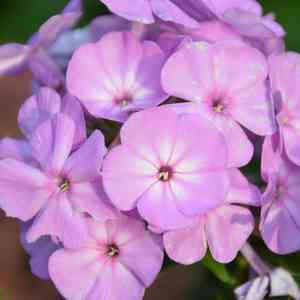
Jacob's ladders (Polemonium) (Polemonium)
Also known as: Jacob's Ladder, Greek Valerian
Jacob's ladder, named after the biblical figure Jacob's dream of a ladder, features up to twenty leaflets. It produces striking, cup-shaped flowers that thrive in borders, rock gardens, and woodlands. These plants are native to the forest streams of North America, where they attract pollinators such as butterflies and hummingbirds.
In This Article
Attributes of Jacob's ladders (Polemonium)
Lifespan
Perennial
Plant Height
60 cm
Spread
40 cm
Leaf Color
Green
Flower Size
2-3 cm (0.8-1.2 in)
Flower Color
Blue, purple, pink, white
Images of Jacob's ladders (Polemonium)
Quickly Identify Jacob's ladders (Polemonium)
1
To identify Polemonium, look for plants with pinnate leaves arranged in a ladder-like fashion. The foliage is often bright green and may have a lacy appearance. Flowers are typically bell-shaped and come in clusters, most commonly in shades of blue, but also in white, pink, and purple.
Scientific Classification of Jacob's ladders (Polemonium)
Phylum
Magnoliophyta
Class
Magnoliopsida
Order
Ericales
Family
Polemoniaceae
Genus
Polemonium
Planting and Growing of Jacob's ladders (Polemonium)
Care Difficulty
Easy
Watering Schedule
Every 4 days
Sunlight Requirements
Partial sun
Sunshine Duration
4-8 hours
Ideal Temperature
60-70℉
Soil Type
Potting Mix, Peat Mix
Soil pH
6.5-7.5
Fertilizer Type
Balanced
Pruning Season
Spring, Summer
Pruning Area
Branches, Leaves
Pruning Frequency
2 times a year
Repotting Season
Spring
Pot Type
Plastic, Ceramic
 How to Water Jacob's ladders (Polemonium)?
When watering Polemonium, ensure the soil remains moist but not soggy. A general rule is to apply around 250 ml of water each time, focusing on the soil being evenly damp without waterlogging.
What are the symptoms of an underwatered Jacob's ladders (Polemonium)?
›
What should I do if my Jacob's ladders (Polemonium) is not getting enough water?
›
What are the symptoms of an overwatered Jacob's ladders (Polemonium)?
›
How to save an overwatered Jacob's ladders (Polemonium)?
›
 What Are the Sunlight Requirements for Jacob's ladders (Polemonium)?
Partial sun to full sun exposure benefits Polemonium, promoting healthy blooms and foliage while preventing stress from extreme conditions.
What is the best type of sunlight for Polemonium?
›
How can I provide the ideal light for Polemonium?
›
What are the benefits of proper lighting for Polemonium?
›
 What Is the Ideal Temperature Range for Jacob's ladders (Polemonium)?
The ideal temperature range for the growth of Polemonium is between 60 and 70°F. This range allows the plant to thrive and perform optimally in terms of both vegetative growth and flowering. Maintaining this temperature range can help ensure robust growth and vibrant blooms. It mimics the natural conditions the plant would experience in the wild, contributing to its healthy development.
 What Soil is Best for Jacob's ladders (Polemonium)?
Polemonium thrives in soil that maintains adequate moisture without becoming waterlogged. The retention capability of loam helps in keeping the soil evenly moist, benefitting root growth and overall plant health. Being nutrient-hungry, Polemonium benefits from loamy soil rich in organic matter. This provides essential nutrients for vibrant foliage and abundant blooms, enhancing the plant's vigor and longevity. Sandy loam offers exceptional drainage, preventing water stagnation and root rot. This soil condition helps Polemonium establish strong root systems, contributing to its robust growth.
 How to Fertilize Jacob's ladders (Polemonium)?
Polemonium enjoys a balanced diet, requiring modest fertilizer quantities. Typically, use half the recommended concentration on the fertilizer label. This helps avoid nutrient overload while ensuring your plant receives adequate nutrition for vigorous growth.
 How to Prune Jacob's ladders (Polemonium)?
Begin by identifying any dead, diseased, or damaged stems and foliage. Carefully cut these parts back to the base of the plant or just above a healthy leaf node to encourage healthier new growth. After the blooming season, remove any spent flowers by cutting just above the first set of healthy leaves. This not only tidies the plant but also encourages continued flowering and prevents the setting of seed, which can sap energy from the plant. Trim back excessive growth to maintain the desired shape and size of your Polemonium. Cut just above a leaf or bud to encourage a bushier appearance. Ensure you maintain the plant's natural form rather than drastically altering its structure.
 How to Propagate Jacob's ladders (Polemonium) plant?
1
Start by preparing a well-draining potting mix. A mix that retains some moisture but drains well is ideal for Polemonium. Sterilize the soil if possible to avoid introducing pests and diseases.
2
Sow the seeds on the surface of moistened potting soil, lightly pressing them down. Do not cover the seeds as they require light for germination. Maintain a consistent temperature of around 18-21°C (65-70°F) to encourage sprouting.
3
Select a healthy stem from the mother plant and cut a 3-4 inch segment just below a node. Remove the lower leaves, dip the cut end in rooting hormone, and plant it in prepared soil. Keep the cutting in a warm, humid environment to encourage rooting.
 How to Repot Jacob's ladders (Polemonium) plant?
1
Repot Polemonium when you see roots protruding from the drainage holes, or if the soil dries out too quickly after watering. These signals indicate that the plant has outgrown its current container and needs more space and nutrients.
2
Select a pot that is one or two sizes larger than the current one, with proper drainage holes. Using a slightly larger pot prevents overwatering issues and gives the roots room to spread and grow, enhancing the plant's overall health.
3
A well-draining potting mix is essential for Polemonium. A mix with equal parts peat, perlite, and garden soil ensures adequate drainage and prevents root rot, promoting healthy growth and vibrant blooms.
Learn More About Jacob's ladders (Polemonium) Diseases
Anthracnose
Bacterial Leaf Spot
Bacterial Soft Rot
Bacterial Wilt
Crown Gall
Cyst Nematode
Damping-off
Downy Mildew
Drought Stress
Fusarium Wilt
Gray Mold
Leaf Spot
Mosaic
Nutrient Deficiency
Nutrient Toxicity
Powdery Mildew
Root Rot
Root-knot Nematode
Rusts
Sooty Mold
Spider Mites
Temperature Stress
Thrips Damage
White Mold
Chemical Injury

