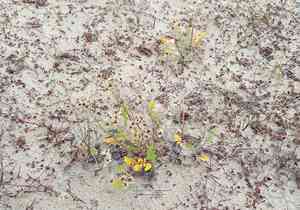
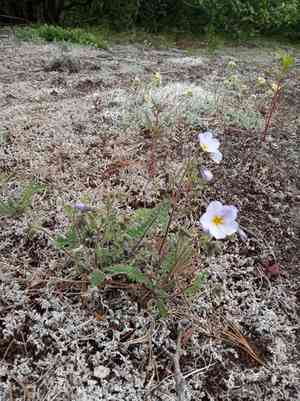
Northern jacob's-ladder (Polemonium boreale)
Also known as: Polar Bluebell, Boreal Jacob's Ladder
The **Arctic Poppy (Papaver radicatum)** is a rare plant native to a limited region on Greenland's east coast. This compact plant features vibrant yellow blossoms that brighten up any space. It's an excellent choice for containers, edging, and rock gardens, thanks to its hardy nature and striking appearance.
In This Article
Attributes of Northern jacob's-ladder
Lifespan
Perennial
Plant Type
Herb
Plant Height
30 cm
Spread
40 cm
Leaf Color
Green Blue
Flower Size
1-2 cm
Flower Color
Blue Violet
Images of Northern jacob's-ladder
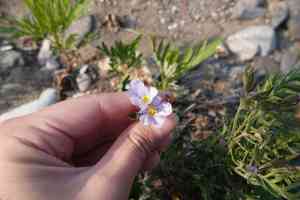
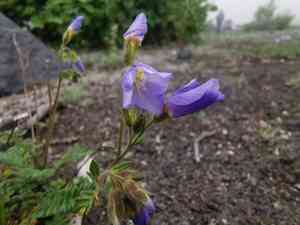
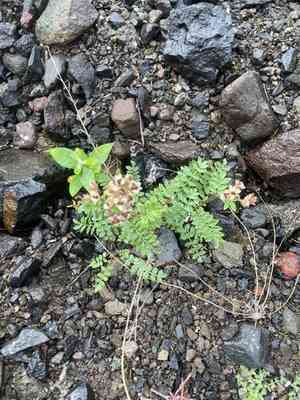
Quickly Identify Northern jacob's-ladder
1
Identify Polemonium boreale by its clusters of bell-shaped flowers that range from blue to violet, its pinnate leaves that resemble a ladder, and its preference for cold, alpine habitats.
Scientific Classification of Northern jacob's-ladder
Phylum
Vascular plants
Class
Dicotyledons
Order
Ericales
Family
Phlox
Genus
Jacob's ladders
Species
Northern jacob's-ladder
Planting and Growing of Northern jacob's-ladder
Care Difficulty
Easy
Watering Schedule
Every 4 days
Sunlight Requirements
Partial sun
Sunshine Duration
6-10 hours
Ideal Temperature
50-65℉
Soil Type
Potting Mix, Peat Mix
Soil pH
6-7.5
Fertilizer Type
Balanced
Pruning Season
Spring, Summer
Pruning Area
Branches, Leaves
Pruning Frequency
2 times a year
Repotting Season
Spring
Pot Type
Plastic, Terracotta
 How to Water Northern jacob's-ladder?
When watering Polemonium boreale, aim to provide 250 milliliters each session. Water it thoroughly until the soil is evenly moist but not saturated. This ensures the roots can access adequate moisture without being flooded, maintaining an ideal balance.
What are the symptoms of an underwatered Northern jacob's-ladder?
›
What should I do if my Northern jacob's-ladder is not getting enough water?
›
What are the symptoms of an overwatered Northern jacob's-ladder?
›
How to save an overwatered Northern jacob's-ladder?
›
 What Are the Sunlight Requirements for Northern jacob's-ladder?
Partial sun is most beneficial, providing four to six hours of sunlight that promotes healthy development. This exposure nurtures vibrant blooms and robust foliage.
How much sunlight should Polemonium boreale receive daily?
›
What are some effective ways to achieve the ideal lighting conditions for this plant?
›
What benefits does Polemonium boreale gain from ideal lighting conditions?
›
 What Is the Ideal Temperature Range for Northern jacob's-ladder?
Polemonium boreale thrives best in a cool to moderate temperature range between 50°F and 65°F. Within this range, the plant can perform its physiological functions efficiently, leading to robust growth and flowering. Maintaining this temperature range ensures the plant's enzymes and metabolic processes are functioning optimally.
 What Soil is Best for Northern jacob's-ladder?
Polemonium boreale thrives in well-drained soil to prevent root rot. Ensuring soil has excellent drainage improves plant health and longevity. Enriching soil with organic matter provides essential nutrients and improves soil structure, greatly benefiting the growth and flowering of the plant. While requiring good drainage, the soil should also retain some moisture to support consistent growth and prevent stress during drier periods.
 How to Fertilize Northern jacob's-ladder?
Polemonium boreale requires balanced fertilization. A typical amount for liquid fertilizer is around 10-20 milliliters per plant, diluted according to package instructions. For slow-release fertilizer, apply approximately 10 grams per plant, ensuring it is lightly mixed with the topsoil.
 How to Prune Northern jacob's-ladder?
Remove faded or dead flowers by cutting just below the flower head. This encourages the plant to put energy into producing more blooms rather than seed formation. Trim back any excess growth that detracts from the plant's shape, allowing airflow and sunlight penetration. This not only keeps the plant looking neat but also aids in preventing fungal issues. Carefully cut out any overly thin or weak stems that don't contribute to the plant's overall health and structure. Doing this will direct nutrients to stronger parts of the plant.
More About Pruning Techniques→
 How to Propagate Northern jacob's-ladder plant?
1
Use a well-draining soil mix that includes peat moss and perlite to provide adequate aeration. Adjust the pH between 6.0 and 7.5 for optimal growth conditions.
2
Sow seeds on the soil surface as they require light for germination. Lightly press seeds into the soil but do not cover them. Water gently to avoid disturbing the seeds.
3
For division, dig up mature plants carefully to avoid root damage. Divide the root ball using a sharp knife or your hands, ensuring each section has roots and shoots for successful propagation.
 How to Repot Northern jacob's-ladder plant?
1
Polemonium boreale needs repotting when you notice roots emerging from the pot's drainage holes or if the plant seems to outgrow its current container. Another sign is a slowed growth rate, indicating a possible lack of nutrients or space. Ideally, perform this task during the growing seasons of spring or autumn to reduce stress on the plant and to encourage robust new growth.
2
Select a pot slightly larger than the current one, with efficient drainage holes to prevent waterlogging, which can lead to root rot. A ceramic or clay pot is preferable as these allow better air exchange than plastic ones. Ensuring proper pot size and material promotes healthy root growth and improves overall plant health.
3
Choose a well-draining soil mix, ideally with a combination of loam, peat, and perlite. Such a mixture ensures good aeration and moisture retention properties, preventing over-saturation and compaction of soil. This soil mix supports the plant's roots by providing adequate nutrients and drainage, facilitating healthy plant growth.



