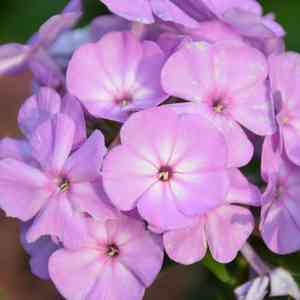
Tall jacob's-ladder (Polemonium acutiflorum)
Also known as: Tall Jacob's Ladder, Arctic Polemonium
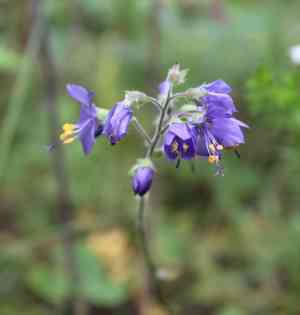
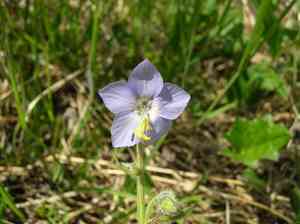
The plant you're referring to is likely the tall Jacob's-ladder. This perennial herb showcases clusters of delicate, bell-shaped flowers in shades of blue to violet. Its leafy, upright stems are adorned with pinnately divided leaves, giving the plant a feathery look. Preferring cooler, mountainous habitats, tall Jacob's-ladder flourishes in moist, well-drained soils and is often seen in alpine meadows and rocky slopes, blooming from late spring to early summer.
In This Article
Attributes of Tall jacob's-ladder
Lifespan
Perennial
Plant Type
Herb
Plant Height
25 cm to 50 cm
Spread
Approximately 30 cm
Leaf Color
Green
Flower Size
1-2 cm
Flower Color
Blue to violet
Images of Tall jacob's-ladder
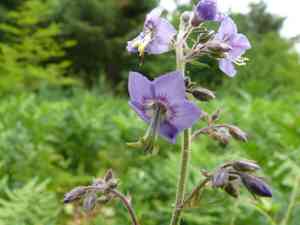
Quickly Identify Tall jacob's-ladder
1
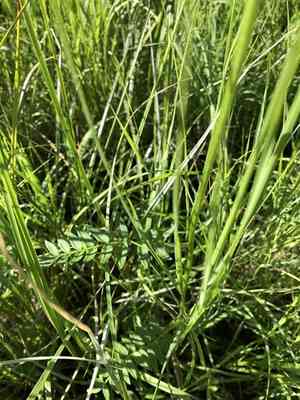
Look for pinnate leaves with numerous small leaflets, and clusters of blue to violet flowers. The stems are often reddish and the leaves have a ladder-like appearance, which is why it’s called Jacob\'s Ladder.
Scientific Classification of Tall jacob's-ladder
Phylum
Vascular plants
Class
Dicotyledons
Order
Ericales
Family
Phlox
Genus
Jacob's ladders
Species
Tall jacob's-ladder
Planting and Growing of Tall jacob's-ladder
Care Difficulty
Easy
Watering Schedule
Every 2 days
Sunlight Requirements
Partial sun
Sunshine Duration
4-8 hours
Ideal Temperature
60-75℉
Soil Type
Potting Mix, Peat Mix
Soil pH
5.5-7
Fertilizer Type
Balanced
Pruning Season
Spring, Summer
Pruning Area
Branches, Leaves
Pruning Frequency
2 times a year
Repotting Season
Spring
Pot Type
Plastic, Terracotta
 How to Water Tall jacob's-ladder?
Polemonium acutiflorum prefers a moderate amount of water, about 250ml each time. It's crucial to ensure the soil is moist but not waterlogged, as this can harm the plant. Drainage is vital to prevent root rot while keeping the moisture consistent.
What are the symptoms of an underwatered Tall jacob's-ladder?
›
What should I do if my Tall jacob's-ladder is not getting enough water?
›
What are the symptoms of an overwatered Tall jacob's-ladder?
›
How to save an overwatered Tall jacob's-ladder?
›
 What Are the Sunlight Requirements for Tall jacob's-ladder?
Polemonium acutiflorum prefers partial to full sun, ideally receiving around 4-6 hours of sunlight. Proper light ensures healthy bloom production, vibrant foliage, and overall plant vigor.
How much light does Polemonium acutiflorum need?
›
What is the solution for achieving ideal light?
›
What are the effects of receiving ideal light?
›
 What Is the Ideal Temperature Range for Tall jacob's-ladder?
The ideal temperature range for cultivating Polemonium acutiflorum is between 60°F and 75°F. These temperatures provide optimal growing conditions that promote healthy development and vibrant foliage. Maintaining these conditions enables the plant to maximize its flowering potential and enhances its resilience to other environmental stresses.
 What Soil is Best for Tall jacob's-ladder?
Polemonium acutiflorum thrives in well-drained soil that prevents waterlogging and root rot, promoting healthy root development and vigorous plant growth. Ensuring the soil drains well helps to avoid these common problems and supports overall plant vitality. This plant flourishes in nutrient-rich soil that provides essential minerals and nutrients required for its growth. Regularly amending the soil with organic matter, such as compost, can enhance fertility, leading to more vibrant foliage and blooms. While good drainage is essential, the soil should also retain a moderate amount of moisture to keep the plant hydrated without waterlogging. This balance ensures that Polemonium acutiflorum remains healthy and can withstand periods of dry weather.
 How to Fertilize Tall jacob's-ladder?
Providing the right amount of fertilizer for Polemonium acutiflorum is crucial to its health. Use a balanced, water-soluble fertilizer, applying about half the recommended strength for flowering plants. This gentler mix prevents nutrient burn while promoting healthy growth and blooming. For slow release granules, use approximately one tablespoon per square foot.
 How to Prune Tall jacob's-ladder?
Start by sterilizing your pruning tools with rubbing alcohol to prevent the spread of diseases. Begin pruning Polemonium acutiflorum by removing any dead, diseased, or damaged stems. Follow by cutting back spent flower stalks to encourage additional blooms. Shape the plant by trimming leggy growth, always making cuts just above a leaf node or bud to promote bushier growth. Dispose of or compost the pruned material properly. For best results, perform the primary pruning after the flowering season in late summer or early autumn. This helps the plant prepare for winter and encourages strong new growth in the following spring. You can also perform minor touch-up pruning in spring and summer as needed to maintain shape and remove any unwanted growth.
More About Pruning Techniques→
 How to Propagate Tall jacob's-ladder plant?
1
Start seeds indoors in trays filled with a well-draining seed starting mix. Sow the seeds on the surface and lightly cover them with soil. Keep the soil consistently moist and maintain a temperature of 15-20°C (59-68°F) for optimal germination.
2
Select healthy, non-flowering stems and cut 10-15 cm long segments. Remove the lower leaves to reduce moisture loss and dip the cut end in rooting hormone to promote root development. Place the cutting in a pot with well-draining soil.
3
In early spring or early summer, divide the plant clumps. Carefully dig up the entire plant and separate the roots into smaller sections, ensuring each has roots and shoots. Replant the divisions at the same depth they were growing previously.
 How to Repot Tall jacob's-ladder plant?
1
Repot Polemonium acutiflorum when it outgrows its current pot, typically indicated by roots protruding from the pot's drainage holes or when soil drainage becomes poor. These signs often occur during the active growing seasons of spring or early summer. Catching these signals early ensures the plant finds ample room to grow and thrive, avoiding stress caused by restricted conditions.
2
Select a pot with a diameter about 2 inches larger than the current one. Ensure it has adequate drainage holes to prevent waterlogging, which can damage roots. A slightly larger pot will allow the roots to spread comfortably and support the plant's growth, enhancing the overall health and vigor of your Polemonium acutiflorum.
3
Opt for a well-draining potting soil mix to maintain the right moisture balance. Soil that drains well prevents water from sitting at the roots, which can lead to rot. Incorporating materials like perlite or sand can improve drainage, keeping the soil airy and supportive, promoting healthy root growth.
Learn More About Tall jacob's-ladder Diseases
Anthracnose
Bacterial Leaf Spot
Bacterial Soft Rot
Bacterial Wilt
Black Spot
Chemical Injury
Crown Gall
Cyst Nematode
Damping-off
Downy Mildew
Drought Stress
Fusarium Wilt
Gray Mold
Leaf Curl
Leaf Spot
Mosaic
Nutrient Deficiency
Nutrient Toxicity
Powdery Mildew
Root Rot
Root-knot Nematode
Rusts
Sooty Mold
Spider Mites
Temperature Stress
Thrips Damage
White Mold



