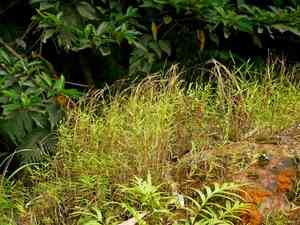
German bamboo (Pogonatherum crinitum)
Also known as: Bamboo grass
A type of grass known as German bamboo is widespread in southern Asia, from Pakistan to Japan. While it is sometimes used in gardens or bonsai displays, it is primarily valued as forage for livestock.
In This Article
Attributes of German bamboo
Lifespan
Perennial
Plant Type
Grass
Plant Height
10 cm to 30 cm
Spread
15-30 cm
Leaf Color
Bright green
Flower Size
1 mm
Flower Color
Yellow Green Purple Brown
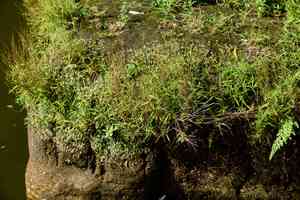
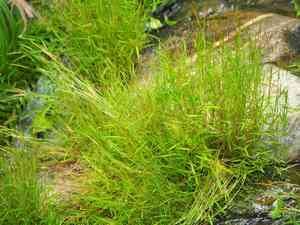
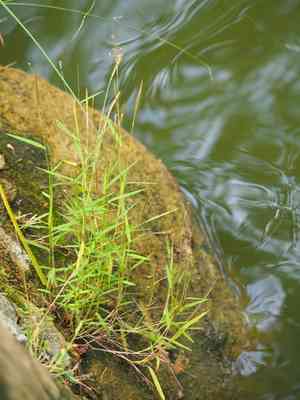
Images of German bamboo
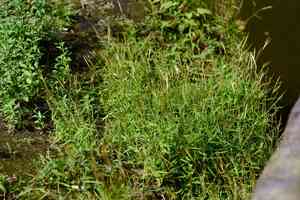
Quickly Identify German bamboo
1
Pogonatherum crinitum can be identified by its fine, grass-like leaves that form dense, mat-like clumps. The leaves are bright green and narrow, usually reaching up to 10-15 cm in length. The plant also produces small, inconspicuous flowers.
Scientific Classification of German bamboo
Phylum
Vascular plants
Class
Monocotyledons
Order
Grasses, sedges and allies
Family
Grass
Genus
Pogonatherum
Species
German bamboo
Planting and Growing of German bamboo
Care Difficulty
Easy
Watering Schedule
Every 6 days
Sunlight Requirements
Partial sun
Sunshine Duration
6-8 hours
Ideal Temperature
65-77℉
Soil Type
Potting Mix, Peat Mix
Soil pH
6.5-7.5
Fertilizer Type
Balanced
Pruning Season
Spring, Summer
Pruning Area
Branches, Leaves
Pruning Frequency
2 times a year
Repotting Season
Spring
Pot Type
Plastic, Ceramic
 How to Water German bamboo?
When watering Pogonatherum crinitum, it's important to ensure that the soil is evenly moist but not waterlogged. A good rule of thumb is to water it with about 200 milliliters each time. Make sure the water penetrates deeply into the soil, allowing excess moisture to drain away, thus preventing root rot.
What are the symptoms of an underwatered German bamboo?
›
What should I do if my German bamboo is not getting enough water?
›
What are the symptoms of an overwatered German bamboo?
›
How to save an overwatered German bamboo?
›
 What Are the Sunlight Requirements for German bamboo?
Partial sun is perfect for Pogonatherum crinitum, promoting lush growth and minimizing stress. Adequate lighting ensures vibrant foliage and maintains the plant's ornamental charm.
More About Sunlight Requirements Techniques→
What is the ideal light condition for Pogonatherum crinitum?
›
How can I ensure Pogonatherum crinitum gets ideal lighting?
›
What happens if Pogonatherum crinitum receives ideal lighting?
›
 What Is the Ideal Temperature Range for German bamboo?
For optimal growth, Pogonatherum crinitum prefers a temperature range between 65°F and 77°F. This range allows the plant to maintain its metabolic processes at peak efficiency. Consistently maintaining this range will ensure the plant continues to develop healthily, with vibrant foliage and optimal growth. It is particularly important to keep the plant at these temperatures during active growth periods.
 What Soil is Best for German bamboo?
Pogonatherum crinitum thrives best in well-drained soil that allows excess water to escape efficiently. This prevents root rot and supports healthy root growth which is critical for optimal plant development. While this plant isn't overly demanding, ensuring soil has a moderate nutrient content helps it grow robustly. Loamy sand suffices as it naturally contains needed nutrients without overwhelming the plant, facilitating balanced growth. The soil structure should be loose and airy to allow oxygen to penetrate to the roots, promoting a healthy root system which in turn supports the plant's overall vigor and resilience to stress.
 How to Fertilize German bamboo?
Pogonatherum crinitum, also known as Baby's Tears or Bamboo Grass, benefits from a balanced fertilizer. Use a 20-20-20 or similar balanced formula at half the recommended strength to avoid fertilizer burn. This ensures the plant receives the necessary nutrients without excess.
 How to Prune German bamboo?
Begin by identifying any dead or damaged leaves and stems. These can often look brown or shriveled compared to the healthy green foliage. Carefully remove these parts by making clean cuts close to the base of the stem. To encourage bushier growth, trim back some of the longer stems. Use sharp scissors or pruning shears to make angled cuts just above a leaf node. This encourages new shoots and helps maintain a compact, tidy appearance. After pruning, keep an eye on the plant for new growth. This is a good time to feed your Pogonatherum crinitum with a balanced liquid fertilizer to support its recovery and boost the lushness of its foliage.
More About Pruning Techniques→
 How to Propagate German bamboo plant?
1
Choose a healthy parent plant that shows robust growth and free from diseases. Healthy plants provide better quality cuttings or divisions for propagation, enhancing the chances of successful growth.
2
Use sharp pruning shears to snip 4-6 inch cuttings from young, non-flowering shoots. Ensure each cutting has at least two leaf nodes as these are the points from which roots will grow.
3
Dip the cut end of the cuttings into rooting hormone, then plant into a potting mix. Ensure the potting mix is well-drained to prevent rot. Place the cuttings in a warm, indirect sunlight spot.
 How to Repot German bamboo plant?
1
Repot Pogonatherum crinitum when you see roots emerging from the drainage holes or the plant appears root-bound. Another sign can be the soil drying out faster than usual, indicating that it needs more room for its roots to expand and store water.
2
Select a pot that is one size larger than the current one. It should have adequate drainage holes to prevent water-logging. A slightly bigger pot ensures the plant continues to grow healthily, offering its roots more space and thus preventing fungal infections due to overpacking.
3
Opt for a well-draining soil mix that includes components like perlite, sand, and peat moss. This composition allows for good air circulation and retains the right moisture level, reducing the risk of root rot and fostering healthy root development.



