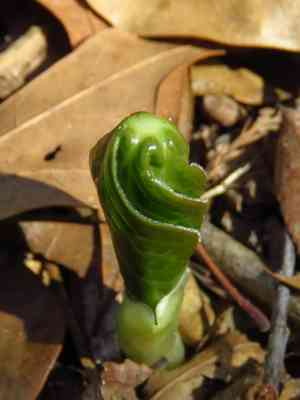
Mayapple (Podophyllum) (Podophyllum)
Also known as: Wild Mandrake
Mayapple plants belong to a small genus in the Barberry family and are herbaceous perennials. While most parts of the Mayapple are toxic, the fully ripe yellow fruit is an exception and can be eaten. It's important to note that the unripe green fruit remains poisonous.
In This Article
Attributes of Mayapple (Podophyllum)
Lifespan
Perennial
Plant Height
1 to 2 feet (30 to 60 cm)
Spread
1 to 1.5 feet (30 to 45 cm)
Leaf Color
Green
Flower Size
1 to 2 inches (2.5 to 5 cm)
Flower Color
White, sometimes pink or rose-colored
Images of Mayapple (Podophyllum)
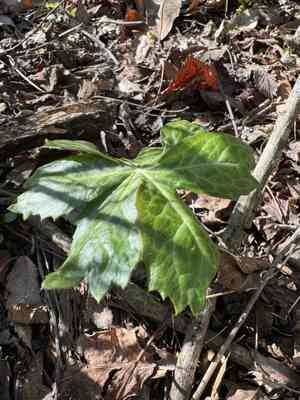
Quickly Identify Mayapple (Podophyllum)
1
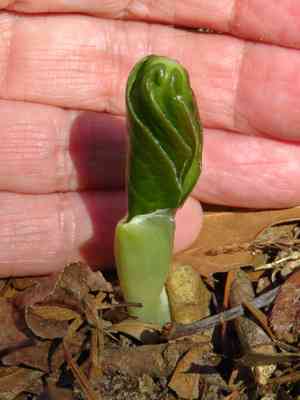
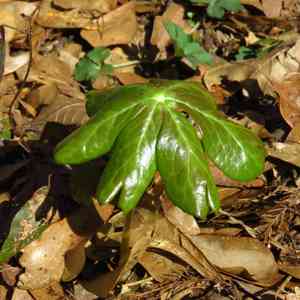
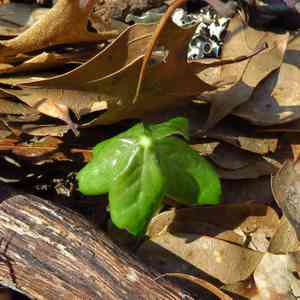
Identify Podophyllum by its large, lobed leaves that can resemble a hand with outstretched fingers, and solitary flowers that are usually white or rose-colored. In some species, the leaves form an umbrella-like canopy over the flowers.
Scientific Classification of Mayapple (Podophyllum)
Phylum
Tracheophyta
Class
Magnoliopsida
Order
Ranunculales
Family
Berberidaceae
Genus
Podophyllum
Planting and Growing of Mayapple (Podophyllum)
Care Difficulty
Moderate
Watering Schedule
Every 2 days
Sunlight Requirements
Full shade
Sunshine Duration
4-8 hours
Ideal Temperature
60-70℉
Soil Type
Potting Mix, Peat Mix
Soil pH
5.5-7.5
Fertilizer Type
Balanced
Pruning Season
Spring, Summer
Pruning Area
Branches, Leaves
Pruning Frequency
2 times a year
Repotting Season
Spring
Pot Type
Plastic, Ceramic
 How to Water Mayapple (Podophyllum)?
When watering Podophyllum, it is important to ensure the soil is thoroughly moistened without being waterlogged. A general guideline is to provide around 250 milliliters of water at each session. This amount ensures that the roots receive adequate moisture while allowing excess water to drain away, preventing root rot.
What are the symptoms of an underwatered Mayapple (Podophyllum)?
›
What should I do if my Mayapple (Podophyllum) is not getting enough water?
›
What are the symptoms of an overwatered Mayapple (Podophyllum)?
›
How to save an overwatered Mayapple (Podophyllum)?
›
 What Are the Sunlight Requirements for Mayapple (Podophyllum)?
Partial sun to full shade is ideal, promoting healthy growth and vibrant foliage. This range mimics natural light fluctuations in its native undergrowth habitat, enhancing leaf color and plant vigor.
How much light does Podophyllum need?
›
How to provide ideal lighting for Podophyllum?
›
What are the benefits of ideal lighting for Podophyllum?
›
 What Is the Ideal Temperature Range for Mayapple (Podophyllum)?
The ideal temperature range of 60 to 70°F promotes optimal growth for Podophyllum. Within this range, the plant efficiently conducts photosynthesis, maintaining vigorous foliage and stable growth. Temperatures that consistently stay within this range help in minimizing plant stress and reduce susceptibility to diseases.
 What Soil is Best for Mayapple (Podophyllum)?
Podophyllum thrives in well-drained soil as it allows for proper airflow and prevents root rot, ensuring healthy growth and vibrant foliage. This plant prefers soil that retains moisture, helping to keep its roots consistently hydrated and supporting lush leaf development. Soil enriched with organic matter supplies essential nutrients, promoting robust growth, and vibrant blooms for the Podophyllum.
 How to Fertilize Mayapple (Podophyllum)?
For Podophyllum, use a balanced liquid fertilizer with a ratio of 10-10-10 at half the recommended strength. Apply it around the base, avoiding direct contact with the leaves, as they could be sensitive to chemicals.
 How to Prune Mayapple (Podophyllum)?
Start by identifying any dead or damaged leaves, as well as stems showing signs of disease. Use clean, sharp pruning shears to snip these parts off at the base, being careful not to damage the main stem. Focus on thinning out the growth to allow sunlight to penetrate and air to circulate better among the surviving foliage.
 How to Propagate Mayapple (Podophyllum) plant?
1
Begin by collecting ripe seeds from existing Podophyllum plants in late spring. Clean the seeds thoroughly to remove any pulp and then stratify them by storing them in a moist substrate in a refrigerator for several weeks to break dormancy.
2
Once stratification is complete, plant the seeds in a well-draining soil mixture in seed trays. Ensure they are spaced adequately to prevent overcrowding, and water them gently to maintain consistent moisture without waterlogging.
3
During early spring, select mature and healthy Podophyllum plants for division. Use a garden spade to carefully dig out the plant, then gently separate the rhizomes ensuring each has roots attached, and replant them in suitable locations.
 How to Repot Mayapple (Podophyllum) plant?
1
Podophyllum should be repotted when you notice roots starting to appear through the drainage holes or when the plant's growth significantly slows down. These are clear signals it craves more space and fresh nutrients.
2
Select a pot that's 2 inches larger in diameter than the current one. This gives Podophyllum room to expand without over-potting, which can prevent waterlogging. The new pot should have good drainage to ensure healthy root development.
3
Choose a rich, well-draining soil mix that retains moisture yet allows excess water to flow through easily. A mix rich in organic matter will provide essential nutrients, mimicking Podophyllum's natural habitat.
Toxicity
Ingestion, Skin contact
WARNING
The judgment on toxicity and danger is for reference only. We DO NOT GUARANTEE any accuracy of such judgment. Therefore, you SHALL NOT rely on such judgment. It is IMPORTANT TO SEEK PROFESSIONAL ADVICE in advance when necessary.

