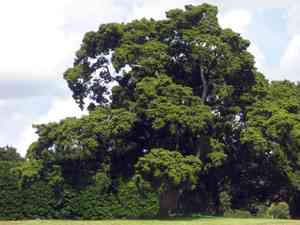
Totara (Podocarpus totara)
Also known as: Mahogany pine
The kauri tree (Agathis australis) is native and unique to New Zealand. Thriving in lowland and hill forests, it represents the largest tree within its genus. Kauri wood is prized for its use in creating fenceposts and flooring. These trees typically flourish in well-drained, fertile soils.
In This Article
Attributes of Totara
Lifespan
Perennial
Plant Type
Tree
Plant Height
20 m to 35 m
Spread
6 m to 9 m
Leaf Color
Green
Flower Size
6 mm to 1.3 cm
Flower Color
White Yellow Green
Images of Totara
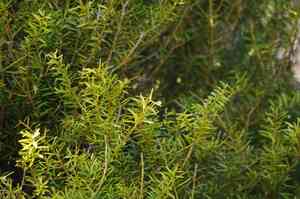

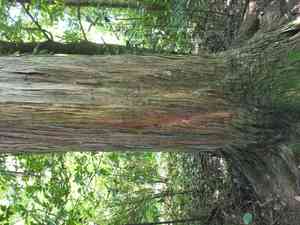
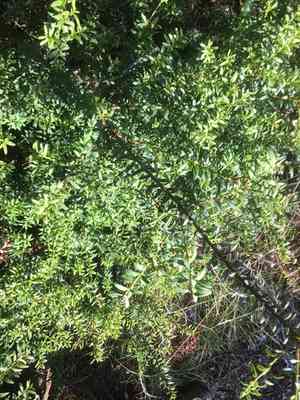
Quickly Identify Totara
1
Massive trunk with deeply furrowed, flaky bark
2
Gray-green, leathery leaves with pointed tips
3
Resilient to cold, tolerating temperatures down to at least 15°F (-9°C)
Scientific Classification of Totara
Phylum
Vascular plants
Class
Conifers
Order
Pines and allies
Family
Podocarpus
Genus
Plum pines
Species
Totara
Planting and Growing of Totara
Care Difficulty
Easy
Watering Schedule
Every 3 days
Sunlight Requirements
Full sun
Sunshine Duration
6-8 hours
Ideal Temperature
60-75℉
Soil Type
Potting Mix, Peat Mix
Soil pH
6.5-7.5
Fertilizer Type
Balanced
Pruning Season
Spring, Summer
Pruning Area
Branches, Leaves
Pruning Frequency
2 times a year
Repotting Season
Spring
Pot Type
Plastic, Ceramic
 How to Water Totara?
Podocarpus totara prefers consistent moisture without being waterlogged. The soil should be kept evenly moist but not soggy. The general rule is to water it until the water reaches about a few inches below the surface. This ensures the roots have steady access to moisture.
More About Watering Techniques→
What are the symptoms of an underwatered Totara?
›
What should I do if my Totara is not getting enough water?
›
What are the symptoms of an overwatered Totara?
›
How to save an overwatered Totara?
›
 What Are the Sunlight Requirements for Totara?
Podocarpus totara prefers full sun but can tolerate partial sun. Adequate sunlight ensures robust growth and vibrant foliage, promoting its overall health and aesthetics.
More About Sunlight Requirements Techniques→
What is the best light condition?
›
How can you ensure optimal light?
›
What benefits are there from optimal light?
›
 What Is the Ideal Temperature Range for Totara?
Podocarpus totara thrives best in a controlled temperature range of 60 to 75°F. This range supports optimal photosynthesis, nutrient uptake, and overall plant health. Maintaining these conditions ensures the plant can efficiently produce energy and sustain its growth throughout the year.
 What Soil is Best for Totara?
Podocarpus totara thrives in well-draining soil that prevents waterlogging. Well-drained soils ensure that the roots receive adequate oxygen, reducing the risk of root rot and promoting healthy plant growth. This species prefers a nutrient-rich soil that provides essential minerals and nutrients. Nutrient-rich soil supports robust growth, maintaining the Totara's vibrant foliage and overall health. Podocarpus totara prefers soils with a pH ranging from slightly acidic to neutral. This pH range optimizes nutrient availability, enhancing metabolic processes and contributing to vigorous growth.
More About Soil→
 How to Fertilize Totara?
For Podocarpus totara, you should apply around 1 cup of balanced fertilizer per tree, ensuring that it is evenly spread around the base without contacting the stem. This amount supports healthy growth without overburdening the plant's root system.
 How to Prune Totara?
Start by identifying the branches that detract from the desired shape and size of your Podocarpus totara. Use a pair of secateurs to trim these branches, fostering a neat, symmetrical form. Keep in mind the plant's natural growth habit and aim to enhance its aesthetics while controlling its size. Examine your Podocarpus totara for any dead, damaged, or diseased branches. Using pruning shears, carefully cut back these branches to healthy wood, which helps prevent the spreading of diseases within the plant and encourages new growth from healthier parts. Thinning involves selectively removing some foliage to improve light penetration and air circulation within the tree. Carefully choose branches for removal, focusing on those that are overcrowded or crisscrossing others, which helps the interior of the plant thrive and maintains overall health.
More About Pruning Techniques→
 How to Propagate Totara plant?
1
Collect ripe seeds from mature Podocarpus totara plants. Clean the seeds thoroughly before sowing them in trays filled with a suitable potting mix. Lightly cover the seeds with soil and water gently to maintain moisture.
2
Select healthy, semi-hardwood branches for cuttings. Cut a 10-15 cm section below a node and remove the lower leaves. Dip the cutting in rooting hormone to encourage root development.
3
Plant the prepared cuttings into a well-draining potting mix. Place them in a warm, humid environment with indirect light until roots develop, usually in several weeks.
 How to Repot Totara plant?
1
Podocarpus totara typically requires repotting when its roots begin to outgrow the current pot, indicating that it's becoming root-bound. Look for roots emerging from the drainage holes or circling around the soil's surface, which suggests it's time for a larger pot to ensure continuous growth.
2
Select a pot that is 1-2 inches larger in diameter than the current one, with adequate drainage holes. The right pot size prevents waterlogging, facilitates better root growth, and provides necessary stability to the plant, allowing it to thrive and grow healthily.
3
Choose a well-draining sandy mix to maintain the necessary soil aeration and moisture balance for Podocarpus totara. This type of soil prevents water from accumulating around the roots, which reduces the risk of root rot and helps the plant absorb essential nutrients effectively.



