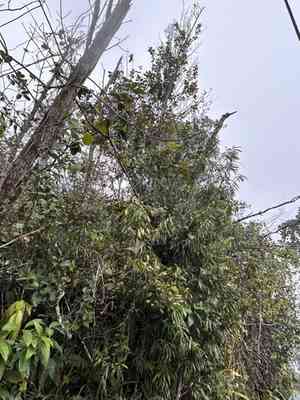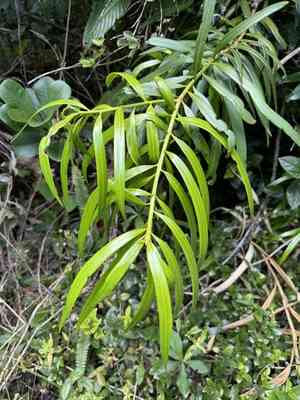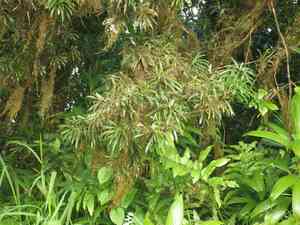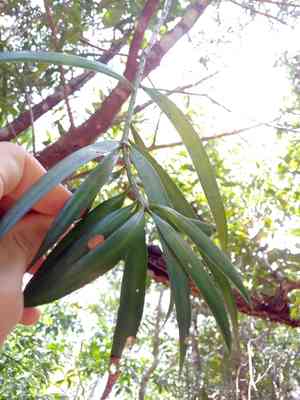
Yucca plum pine(Podocarpus coriaceus)

Yucca plum pine (Podocarpus coriaceus)

Also known as: Wild pine

Yucca plum pine, also known as Podocarpus, is highly favored in gardens due to its appealing, dense foliage and adaptability. Its ability to be pruned into various shapes—whether as hedges, screens, or standalone trees—adds to its landscape versatility.

Beyond its ornamental value, Podocarpus is practical for creating privacy barriers and windbreaks thanks to its thick growth. It is also appreciated for its resilience against pests and diseases, as well as its tolerance for different soil types and climates. However, caution is advised as parts of the plant can be toxic to animals. This combination of aesthetic appeal and functionality makes Podocarpus a standout choice for many gardeners.

Attributes of Yucca plum pine

Lifespan
Perennial
Plant Type
Tree
Plant Height
Up to 15 meters
Spread
Approximately 7-10 meters
Leaf Color
Dark green
Flower Size
N/A (Conifer)
Flower Color
N/A (Conifer)

ForwardPlant - Identify plants with a snap

Identify and diagnose plants, get toxicity alerts, and explore safety guides for all types of fungi.

Try for Free

Images of Yucca plum pine

Yucca plum pine(Podocarpus coriaceus)

Quickly Identify Yucca plum pine

1
To identify Podocarpus coriaceus, look for its thick, leathery leaves which are arranged spirally and can be up to 15 cm long. The tree produces small, resinous cones and its seeds are often covered by a fleshy, edible aril.

Scientific Classification of Yucca plum pine

Phylum
Vascular plants
Class
Conifers
Order
Pinales
Family
Podocarpus
Genus
Plum pines
Species
Yucca plum pine

Planting and Growing of Yucca plum pine

Care Difficulty
Moderate
Watering Schedule
Every 2 days
Sunlight Requirements
Full sun
Sunshine Duration
6-8 hours
Ideal Temperature
65-75℉
Soil Type
Potting Mix, Peat Mix
Soil pH
6.5-7.5
Fertilizer Type
Balanced
Pruning Season
Spring, Summer
Pruning Area
Branches, Leaves
Pruning Frequency
2 times a year
Repotting Season
Spring
Pot Type
Plastic, Ceramic

water icon How to Water Yucca plum pine?

Podocarpus coriaceus requires careful watering, where you aim for moist but not waterlogged soil. A single session should provide approximately 500 ml of water, enough to soak the soil without causing standing water, ensuring roots can breathe.
What are the symptoms of an underwatered Yucca plum pine? ›
What should I do if my Yucca plum pine is not getting enough water? ›
What are the symptoms of an overwatered Yucca plum pine? ›
How to save an overwatered Yucca plum pine? ›

sunlight icon What Are the Sunlight Requirements for Yucca plum pine?

Sunlight Requirements: Full sun, Partial sun
Duration of light: 6 to 8 hours
Podocarpus coriaceus thrives in full to partial sun, benefiting from at least 6-8 hours of light. The right amount of sunlight promotes vigorous growth, healthier foliage, and stronger resilience against environmental stresses.
How much light does Podocarpus coriaceus require? ›
What are the best solutions for achieving ideal light conditions? ›
What benefits does Podocarpus coriaceus gain from optimal light? ›

temperature icon What Is the Ideal Temperature Range for Yucca plum pine?

Ideal Temperature: 65 ~ 75℉
Podocarpus coriaceus thrives best within a temperature range of 65°F to 75°F. This range ensures optimal growth and vitality, promoting strong foliage and steady development. Maintaining these temperatures prevents stress and allows the plant to flourish in its environment. Consistent temperatures within this bracket are crucial for achieving its full potential.

soil icon What Soil is Best for Yucca plum pine?

Soil type: Loam, Sandy loam
Soil PH: 6.5 ~ 7.5
The soil should have excellent drainage to prevent waterlogged conditions, which Podocarpus coriaceus cannot tolerate well. Proper drainage ensures healthy root growth by avoiding root rot, thus allowing the plant to absorb nutrients efficiently. Rich nutrient content in the soil is crucial for Podocarpus coriaceus. Fertile soil supports healthy leaf and stem growth, providing a lush appearance. Nutrients such as nitrogen, phosphorus, and potassium are essential. Good aeration in the soil is necessary for Podocarpus coriaceus to thrive. Aerated soil allows air to reach the roots, promoting healthy respiration and ensuring optimal nutrient uptake. This condition prevents compaction and enhances plant vitality.

fertilize icon How to Fertilize Yucca plum pine?

Fertilizer type: Balanced
For Podocarpus coriaceus, it is best to use a balanced fertilizer at half the recommended dose. This ensures that the plant receives sufficient nutrients without overwhelming its roots. A general guideline is to apply 1 tablespoon of liquid fertilizer diluted in 1 gallon of water per application.

prune icon How to Prune Yucca plum pine?

Pruning Time: Spring, Summer, Autumn
Start by gathering clean, sharp pruning tools like shears and loppers. Identify branches that require cutting, focusing on those that cross over others, block light, or are too dense. Make your first cuts at a 45-degree angle to prevent water from settling on the wound. Shape the plant carefully by following its natural form. Focus on thinning out over-crowded areas to boost airflow. Trim back long branches slightly above a leaf node to encourage new growth. This process prevents the plant from becoming too heavy at the top and maintains a balanced appearance. Carefully inspect the plant for any dead or diseased wood. Remove these sections entirely as close to the base as possible. This helps prevent any potential infections from spreading and encourages the growth of healthier shoots. More About Pruning Techniques→

propagate icon How to Propagate Yucca plum pine plant?

Propagate Time: Spring, Early summer
1
Podocarpus coriaceus seeds should be collected from healthy, mature trees. After collection, you should clean the seeds to remove any pulp and allow them to dry properly before planting.
2
For cutting propagation, select healthy, non-flowering stems with at least two or three nodes. Trim them to about 4-6 inches in length, and remove leaves from the lower part to enhance success.
3
Plant seeds or cuttings in a well-draining soil mix. Ensure a warm location with moderate sunlight and maintain consistent moisture without waterlogging to promote root and shoot development.
More About Propagating Techniques→

repot icon How to Repot Yucca plum pine plant?

Repotting frequency: Every 2-3 years
1
Podocarpus coriaceus typically needs repotting when its roots start to circle the pot or become visibly crowded at the surface. Additionally, if the plant becomes top-heavy or growth seems stunted, it might be signaling a need for more space. Spring is an ideal time, as the plant will benefit from the upcoming growing season.
2
Choose a pot that is just one size larger than the current one, featuring ample drainage holes. This prevents waterlogging and encourages strong root growth. A slightly larger pot avoids unnecessary soil mass, which can lead to overwatering issues that Podocarpus coriaceus dislikes.
3
Opt for a well-draining, slightly acidic potting mix with added organic matter. This type of soil mimics the natural habitat of Podocarpus coriaceus and ensures proper drainage to prevent root rot while providing essential nutrients for healthy growth.

ForwardPlant - Identify plants with a snap

Find the best spots for them to optimize their health, simply using your phone.

Try for Free

Toxicity

Ingestion

Identify toxic plants for your safety

Learn which plants are harmful to you and your pets, and make informed choices for a safer home!

Try for Free
WARNING
The judgment on toxicity and danger is for reference only. We DO NOT GUARANTEE any accuracy of such judgment. Therefore, you SHALL NOT rely on such judgment. It is IMPORTANT TO SEEK PROFESSIONAL ADVICE in advance when necessary.